
The Day My Name Stopped Belonging to Me
A quiet unraveling of identity, memory, and what it means to be seen when the world decides who you are

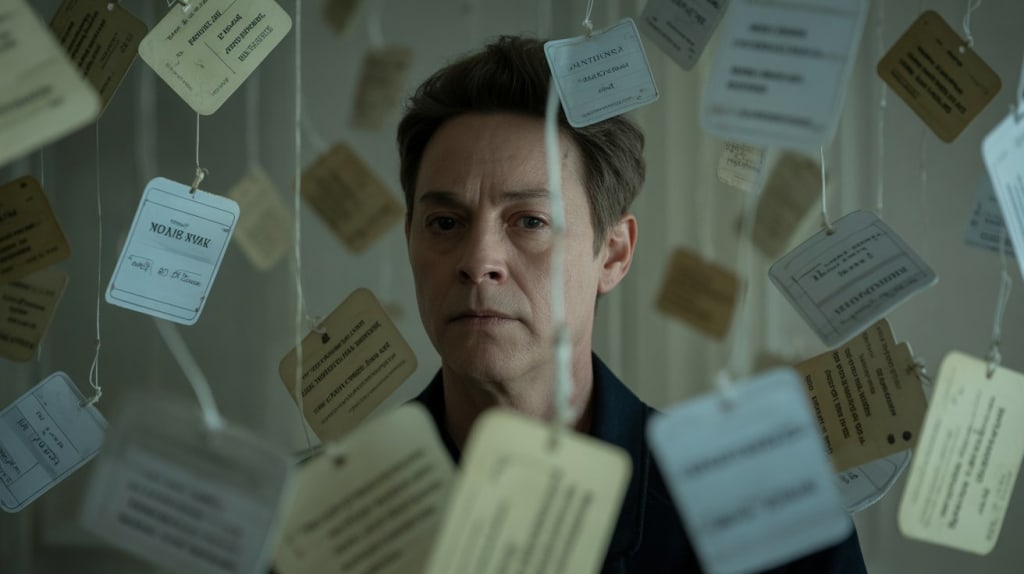
Have you ever heard your name spoken and felt nothing?
Not pride. Not recognition. Just a strange distance, like it belonged to someone else entirely.
The day my name stopped belonging to me didn’t arrive with drama or warning. No accident. No courtroom. No shouting crowd. It arrived quietly—on an ordinary morning—slipping into my life the way fog enters a street: softly, completely, and without asking permission.
That’s how identity loss often works. It doesn’t shatter. It erodes.
When a Name Is More Than a Sound
A name is supposed to anchor you. It’s the first gift we receive, the word that summons us into rooms, memories, and relationships. As children, we learn to answer to it before we understand language. It becomes shorthand for who we are.
Until one day, it doesn’t.
For me, that shift began when people started using my name incorrectly—not mispronouncing it, but redefining it. They said it with expectations attached. With assumptions. With conclusions already drawn.
Each time, it felt like a small theft.
The Slow Disappearance
It wasn’t one moment. It was many.
A teacher calling my name and already assuming the answer.
A form reducing me to a checkbox.
A stranger using it with a familiarity I hadn’t earned—and didn’t want.
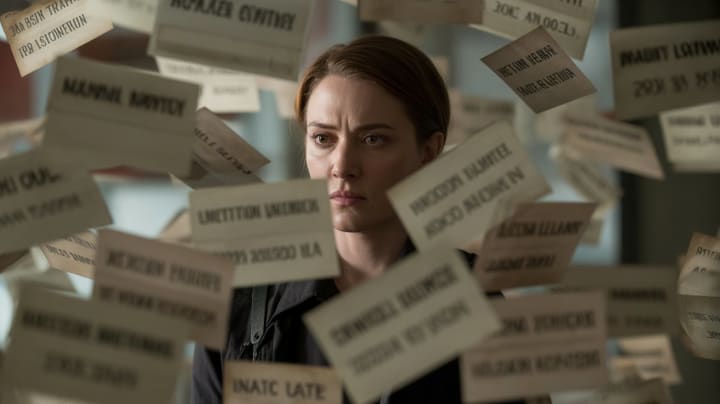
Eventually, I noticed something unsettling: when people said my name, they weren’t talking to me. They were talking to an idea they had built around it.
And I played along. We all do.
Because correcting the world takes energy. And sometimes, survival means staying quiet.
The Weight of Being Labeled
Once your name becomes a label, it gains gravity. It pulls expectations toward it:
- How you should behave
- What you should believe
- How loud or quiet you’re allowed to be
Over time, you start adjusting yourself to fit the version of you others seem most comfortable with. You laugh when you’re expected to. You soften when you’re supposed to. You shrink when it feels safer.
The scariest part? It works.
You begin responding to the name automatically, even when it no longer feels like yours.
The Moment I Realized It Was Gone
The realization didn’t come during conflict. It came during silence.
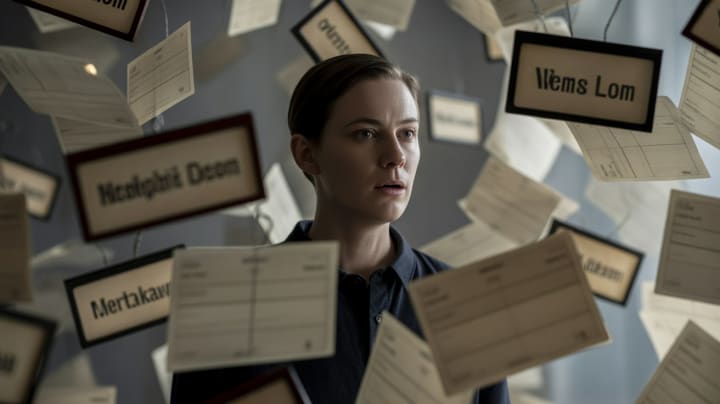
Someone called my name across a room, and for a brief second, I didn’t turn around. Not because I didn’t hear it—but because my body didn’t recognize it as a call meant for me.
That pause lasted less than a heartbeat. But it cracked something open.
If my name wasn’t mine anymore, then who had I been answering as all this time?
Fiction Isn’t Always Fantasy
Stories like this don’t need magic to be fictional. The unreality comes from how normal they feel.
We see this loss everywhere:
Immigrants whose names are shortened for convenience
Women whose names disappear after marriage
People reduced to usernames, numbers, diagnoses, or titles
Fiction allows us to sit inside those quiet transformations. It lets us explore the emotional truth of what happens when identity is rewritten by forces bigger than the individual.
That’s why stories like this matter. They say the things people rarely confess out loud.
Taking the Name Back
Reclaiming a name isn’t about correcting pronunciation or demanding recognition. It’s about reinhabiting yourself.
For me, it started small:
- Speaking when it felt uncomfortable
- Letting silence stretch instead of filling it
- Saying “That’s not me” without explaining why
Slowly, the name began to feel warmer again. Less like a label. More like an invitation.
It didn’t become what it once was. But maybe that’s the point. Names, like people, are allowed to evolve.
The Quiet Lesson This Story Leaves Behind
The day my name stopped belonging to me taught me something unsettling and freeing at the same time:
Identity isn’t stolen all at once. It’s negotiated—daily, subtly, often without consent.
But it can also be reclaimed the same way.
Not with grand speeches.
Not with dramatic exits.
But with small, stubborn acts of truth.
Choosing when to answer.
Choosing when to redefine.
Choosing when to walk away.

A Question for You
Has there ever been a moment when your name—or your identity—felt distant from you?
When you realized you were being seen, but not known?
Share your thoughts in the comments. Write your own version. Challenge this one. Fiction grows richer when we let our stories speak to each other.
Your name—whatever it is—still has power here.
About the Creator
John Smith
Man is mortal.
Keep reading
More stories from John Smith and writers in Fiction and other communities.
The House That Answers Back
Have you ever been inside a house that felt like it was listening to you? Not haunted in the dramatic, movie-jump-scare way—but aware. As if the walls were paying attention, the air was holding its breath, and every sound you made was quietly noted.
By John Smith2 months ago in Horror
The First Rainbow Baby
Pitter-patter, pitter-patter. The rain fell in rhythmic splatters, slowly slowing, but still constant. Mira rolled onto her side pulling the blanket tight against her ears, but still she could hear chitter-chatter and scurrying feet of the creatures that refused to sleep in the lower decks.
By A. J. Schoenfeld2 days ago in Fiction
The Forsyth House Fire
Since 1851, Forsyth House has stood on the corner of Union Street and Gordon Street in the heart of Glasgow. Its iconic, or was... because on Sunday 8th of March, 2026, a fire broke out in a small, seemingly un-named shop in the building and tore all that history down. As I write, the rubble is still unsettled and the street is still blocked off. Central Station is quiet on the upper level, and around 30 small businesses have quite literally gone up in smoke.
By S. A. Crawford2 days ago in The Swamp


Comments
There are no comments for this story
Be the first to respond and start the conversation.