
The Color That Must Not Be Named
In a town where one word is forbidden, silence holds more power than truth.

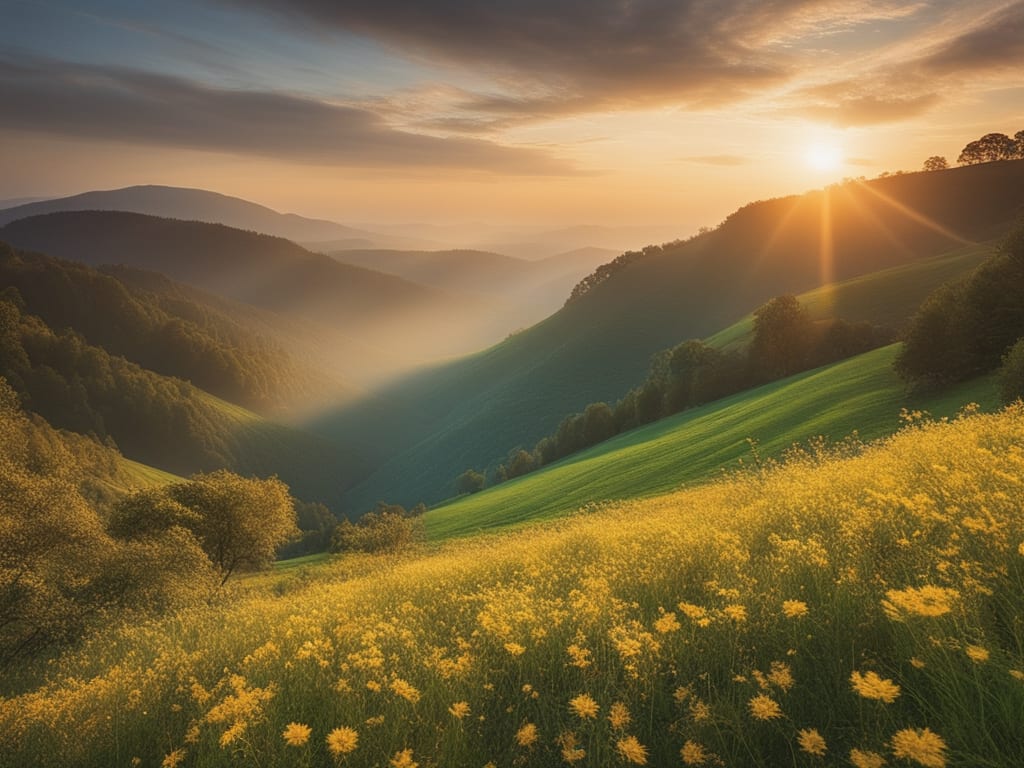
In the town of Graymere, every conversation was scrubbed, filtered, and scanned in real time. The air buzzed faintly with the presence of speech monitors, tiny government-issued drones shaped like dandelion puffs that drifted through neighborhoods like lazy summer seeds. People didn’t notice them anymore—just like they didn’t notice the missing word.
You could talk about the sky. You could talk about art. You could even talk about love and war and politics and all their messy cousins. But one subject was off-limits.
You couldn’t say it. Couldn’t write it. Couldn’t sing it, describe it, or point directly to it. If you tried to circumvent the rule—say, by calling the sky “azure” or the ocean “navy”—the drones would chime like a disappointed mother and erase your words from all digital memory. Three strikes, and you’d get a visit from the “Palette Police,” who wore gloves the color of smoke and spoke in grayscale metaphors.
No one remembered when the ban started. Most claimed they never needed the color anyway. But deep down, everyone missed it.
There were rumors, of course. That it all started with a government fear of symbolism. That blue had once represented rebellion, or hope, or sadness, or clarity—or maybe all of them. No one knew for sure. And maybe not knowing was the point.
But Graymere had poets. And poets are dangerous when you tell them not to speak.
In a tiny shop that sold flowers no one had names for, a woman named Mina ran a quiet rebellion. She arranged bouquets that bled with unspeakable hues—cornflowers, hydrangeas, morning glories—all without a single label. Her regulars knew the code: if you asked for “calm,” you got a violet and a tulip. If you asked for “what comes after green,” you got the real thing.
Sometimes, the more daring customers would say things like:
“I’d like something the color of a newborn’s dream.”
“Do you have anything like dusk right after rain?”
Mina would smile and nod, no words needed. She spoke in petals and pigments.
The children, of course, were the worst at following the rule. They saw the color naturally, pointed to the sky and said the forbidden word without understanding the danger. Their parents would hush them, throw worried glances at the hovering drones, and feed them new vocabulary:
“It’s not that color,” they’d say. “It’s just... cool gray.”
But children are born knowing things adults forget, and one group—three kids in mismatched socks and scraped knees—started painting graffiti under the bridges in shimmering forbidden shades. No words, just sweeping waves of that color. The drones didn’t know what to do. They hovered, clicked confusedly, then drifted away.
And the art stayed.
The older folks remembered. The ones in their nineties who had stopped caring about the rules. They told bedtime stories in whispers, about oceans that stretched to forever and birds with feathers like the deep end of a dream. They couldn’t say the word, but they didn’t need to. Their eyes said enough.
One of them, a retired teacher named Old Terrence, hosted “wordless lectures” in his backyard. He’d lay out swatches of fabric and look meaningfully at the ones he wasn’t allowed to name. The audience would nod solemnly. They understood.
Eventually, the people of Graymere found ways to fill the hole the word had left behind. In music, they added an extra note to represent it. In paintings, they used blank space, a void shaped like what was missing. In writing, they’d use metaphors so poetic they danced around the ban like fireflies evading a jar.
Somewhere deep in the web, there was even a banned emoji: a tiny square with a droplet inside. Posting it could get your account shut down. So naturally, people posted it by the thousands, hidden in recipes, captions, poems, and reviews for fake products like Mood-Enhancing Wallpaper™.
No one ever said the color aloud.
But everyone saw it. In moonlight on lakes, in lovers’ eyes, in bruises and ribbons and wildflowers. They carried the forbidden word in their chests like contraband. And though the drones kept scanning and the rules remained, a silent revolution shimmered on.
You can’t ban meaning. You can only chase it underground.
This article contains affiliate links, if you make a purchase I may make a commission.
About the Creator
Karl Jackson
My name is Karl Jackson and I am a marketing professional. In my free time, I enjoy spending time doing something creative and fulfilling. I particularly enjoy painting and find it to be a great way to de-stress and express myself.
Reader insights
Nice work
Very well written. Keep up the good work!
Top insights
Compelling and original writing
Creative use of language & vocab
Easy to read and follow
Well-structured & engaging content
Excellent storytelling
Original narrative & well developed characters
Eye opening
Niche topic & fresh perspectives
Heartfelt and relatable
The story invoked strong personal emotions
Masterful proofreading
Zero grammar & spelling mistakes
On-point and relevant
Writing reflected the title & theme
Keep reading
More stories from Karl Jackson and writers in Fiction and other communities.



Comments (1)
Really enjoyed reading your story! You have a great voice. I'd love it if you checked out one of mine sometime too 😊