
The Beauty of Dance
When movement becomes emotion, and rhythm turns into freedom

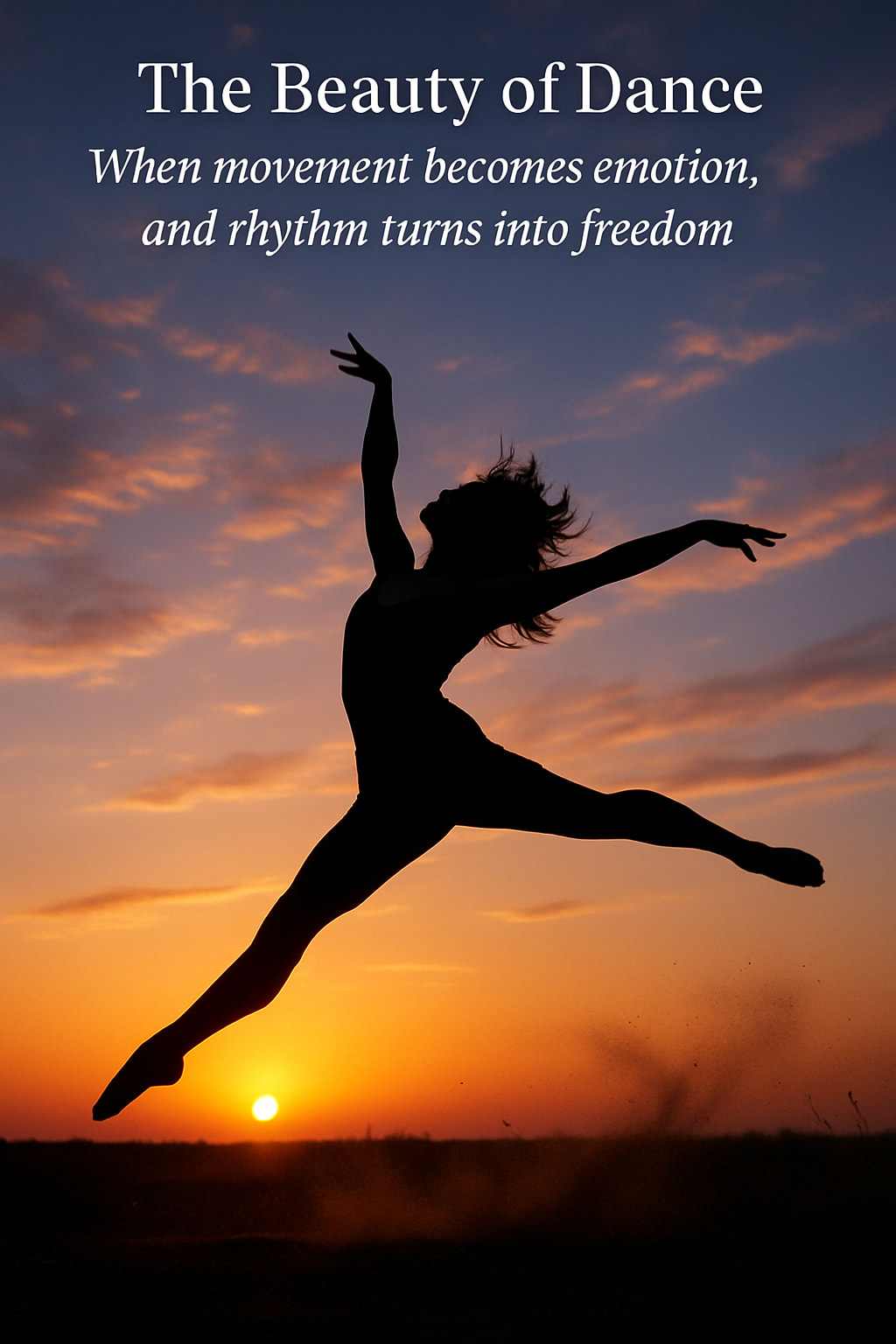
There are few things in life that can express emotion the way dance can. Where words fall short, the body speaks. Where silence lingers, movement rises. Dance is not merely performance; it is a conversation between the soul and the world. It tells stories, celebrates cultures, and heals wounds that are too deep for speech.
From ancient tribal rituals to the polished stages of Broadway, dance has woven its way into human history as a universal language of expression. It is not bound by language, class, or creed. A dancer in India performing Bharatanatyam shares a similar heartbeat with a hip-hop dancer in the streets of New York or a flamenco artist in the heart of Spain. The styles may differ, the rhythms may shift, but the message is the same—I am alive, I feel, I move.
When a dancer moves, they don’t just perform—they reveal. Each step, each leap, each delicate hand gesture is a word in the unwritten diary of the dancer’s soul. For some, dance is a way to remember. For others, it is a way to forget. But for most, it is a way to feel deeply and truthfully. Imagine watching a ballet dancer glide across the stage. There's a grace in every movement, but there's also strength—muscles that speak of discipline, control, and years of sacrifice. Now think of a street dancer freestyling to the beat of a boombox, their sneakers hitting the pavement in unpredictable, electric rhythms. That’s raw, unfiltered emotion. And that’s the beauty of dance—it welcomes both elegance and rebellion.
Dance is therapy without needing a therapist. For centuries, movement has been used to heal trauma, relieve stress, and even treat mental health challenges. Studies have shown that dance reduces anxiety, improves mood, and increases overall well-being. And it makes sense—because dance forces you to be present. When your body is in motion, your mind has to let go. In hospitals, elderly care homes, and rehabilitation centers, dance has been introduced as a form of gentle therapy. And in these places, some of the most touching performances happen—not for applause, but for relief. A smile on the face of a dementia patient as they remember an old swing dance. A child with autism expressing joy through their own version of movement. That is dance as medicine.
Every culture tells stories through movement. In African tribal dances, the earth is part of the rhythm. In Chinese fan dances, grace flows like ink on paper. In Latin dances like salsa and tango, passion becomes visible. To watch a cultural dance is to watch history live. And with globalization and social media, dance has become a bridge between countries. A teenager in France can learn Bhangra from YouTube. A child in Brazil can master K-pop routines. Borders are blurred, cultures blend, and through it all, we are reminded that we’re not as different as we think. Dance has quietly become one of the world’s greatest unifiers.
There is a special kind of liberation in dance. For those who feel voiceless in the world, dance becomes their megaphone. For those who feel trapped in routine, dance is escape. There is no permission needed. No approval required. Dance says, This is my body, and I decide how it moves. That’s why even in the darkest corners of history—through oppression, poverty, and exile—dance has survived. In slave plantations, people danced in secret to preserve their culture. In war-torn countries, children danced to forget. And in protest movements around the world, dance has been used as a weapon of peace and resistance. It is not just beauty—it is bravery.
If you’ve never danced before—really danced—this is your invitation. Don’t wait for the perfect song. Don’t wait for a lesson or a partner. Put on a tune that moves you, close your eyes, and let your body speak. Because at the heart of it, dance isn’t about technique. It’s about truth. It's about joy, connection, release. It’s about remembering who you are without the noise of the world telling you who to be. So move. Swing. Sway. Jump. Spin. Cry if you need to. Laugh if you want to. The dance floor—wherever it may be—is waiting for you.
About the Creator
Hanif Ullah
I love to write. Check me out in the many places where I pop up:
Keep reading
More stories from Hanif Ullah and writers in Fiction and other communities.



Comments
There are no comments for this story
Be the first to respond and start the conversation.