

Swirling in front of the mirror, loving the swish of her skirt as it seductively ruffles around her knees.
At just four foot tall, she pines for a little more height. Petite is fine, but short is a nightmare when it comes to fashion.
All her life she’s been teased and bullied over her height, developing a pure hatred of short.
Tonight she has an important date with a man she’s had a crush on for months and she knows she looks good.
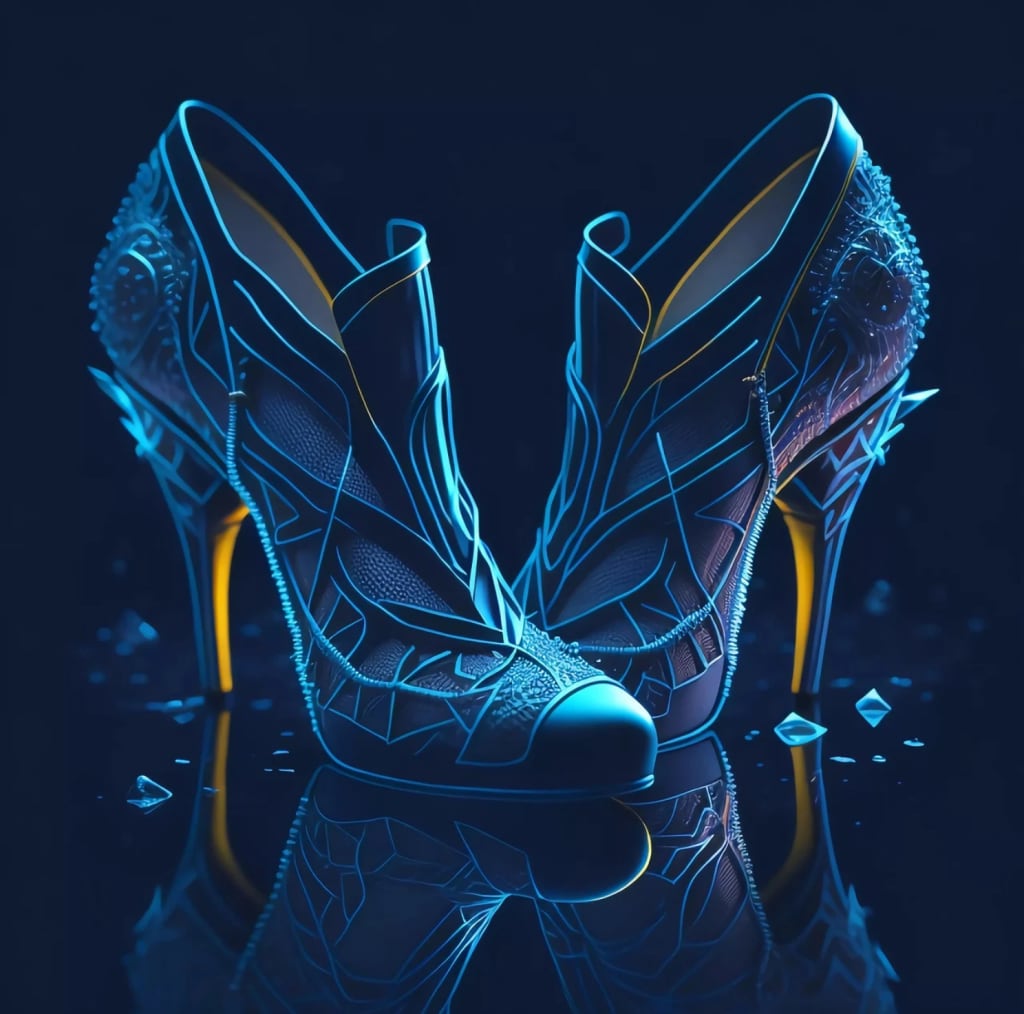
Lastly, she steps into her new sassy high heels to give her confidence that much needed boost.

I was challenged to write a drabble of the word ‘sassy'.
Wikipedia defines a drabble as follows :
A drabble is a short work of fiction of precisely one hundred words in length. The purpose of the drabble is brevity, testing the author's ability to express interesting and meaningful ideas in a confined space.

If you like this Drabble, why not check out my latest book, due to be published on 30 May 2024.
Save the date.
Looking for a teaser to whet your appetite? Look no further than the link below :
Keep up to date on my website if you'd like to know more.
Pre-order your copy via the link below.
Originally published on Medium
About the Creator
Colleen Millsteed
My first love is poetry — it’s like a desperate need to write, to free up space in my mind, to escape the constant noise in my head. Most of the time the poems write themselves — I’m just the conduit holding the metaphorical pen.
Keep reading
More stories from Colleen Millsteed and writers in Fiction and other communities.
Lightning Never Strikes Twice
The distant rumble, the sudden deluge, the crescendo of sound, the flash of light, the explosive energy — it never gets old. I became an amateur storm chaser about two years ago. My wife, Cindy suggested it. Sort of. She said, "Alex, you know this cancer is killing me. I've come to terms with that, but you're smothering me. Go join a band, write a book, or become a storm chaser, for all I care. I love you, but you need a hobby."
By Julie Lacksonen5 days ago in Fiction



Comments (2)
I'm the opposite of her. I'm too tall for a girl and often got bullied for that 😅 Loved your drabble!
I loved wearing heels when I was younger. I'm 5' 3" Great drabble