
Norse Mythology: Gods, Heroes, and Monsters 5
Continuation of The Fascinating World of Norse Mythology: Gods, Heroes, and Monsters

Ragnarok, also known as the Twilight of the Gods or the Doom of the Powers, is a catastrophic event that marks the end of the Norse mythological cycle. It is the final battle between the gods and the giants, and it results in the destruction of the world and the death of many of the gods.
The mythology of Ragnarok is complex, with different versions of the story existing in various Norse sagas and myths. However, certain elements of the story remain consistent across all accounts.
According to Norse mythology, the gods lived in Asgard, a realm accessible only by a rainbow bridge called Bifrost. The giants, on the other hand, lived in Jotunheim, a land of ice and darkness. The gods and giants had a long-standing enmity, and there were many battles between them over the years.
Ragnarok was said to be triggered by a series of events, known as the Signs of Ragnarok, that would herald the coming of the end of the world. These signs included a three-year winter, called the Fimbulwinter, in which the sun and moon would disappear from the sky, and the world would be plunged into darkness. This would be followed by a great earthquake, which would shake the foundations of the world and cause mountains to crumble.
One of the most significant signs of Ragnarok was the death of the god Baldr, the son of Odin and Frigg. Baldr was known for his beauty and his kind nature, and his death was a great tragedy for the gods. He was killed by Loki, the trickster god, who had been jealous of Baldr's popularity.
The final sign of Ragnarok was the breaking of the Bifrost, the rainbow bridge that connected Asgard to the rest of the world. This sign signaled the start of the final battle between the gods and the giants.
The battle of Ragnarok took place on the plains of Vigrid, a vast battlefield that spanned the world. The gods and giants clashed in a fierce battle that lasted for days. Many of the major players in the conflict were killed, including Odin, Thor, and Loki.
One of the most significant figures in the battle was Surtr, the giant who wielded a flaming sword. Surtr was responsible for setting fire to the world, and everything was destroyed in the flames. The only survivors were a few gods and humans who were able to hide in the branches of the world tree, Yggdrasil.
In the aftermath of Ragnarok, the few surviving gods and humans emerged into a new world. This new world was free from the chaos and destruction of the old one, and it was populated by a new generation of gods, who were born from the ashes of the old ones.
The story of Ragnarok has had a lasting impact on popular culture, and it continues to be an important part of Norse mythology. It is a reminder of the inevitability of death and the importance of living a good life while one can.
In conclusion, Ragnarok is a catastrophic event that marks the end of the Norse mythological cycle. However, Ragnarok is a powerful and meaningful event in Norse mythology. It represents the end of an era and the beginning of a new one, full of promise and hope. While the details of the event may vary from story to story, the core message remains the same. Even in the face of destruction, there is always the potential for rebirth and renewal. The story of Ragnarok continues to capture the imagination of people worldwide, and it serves as a reminder that even in the darkest of times, there is always the hope for a new dawn.
About the Creator
Tolga Bozdağ
I am an amateur writer and I share articles about topics that interest me. I hope you enjoy reading it.
Keep reading
More stories from Tolga Bozdağ and writers in Fiction and other communities.
The Approaching Age of Darkness and Chaos
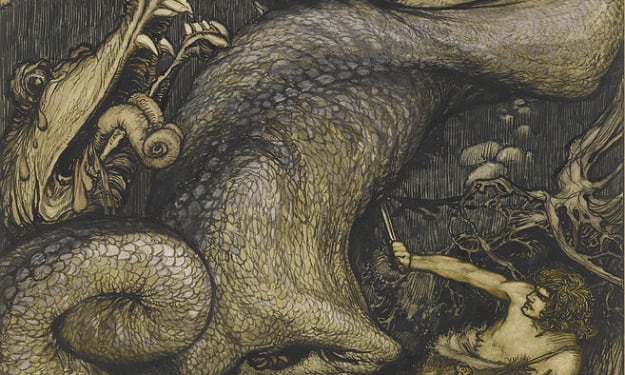
The Death of Sigurd: Sigurd, the dragon-slayer, was killed by his own wife after she was tricked by Loki The Death of Sigurd is a tragic event in Norse mythology that tells the story of the famed dragon-slayer and hero's untimely demise. Sigurd was the son of Sigmund, a legendary hero who had been slain by Odin, and Hjordis, a Valkyrie. Sigurd was destined to become a great hero himself, and his legend grew as he went on numerous adventures, including slaying the dragon Fafnir and acquiring the cursed treasure that led to his downfall.
By Tolga Bozdağ3 years ago in Fiction
Hottest in the Office
Dear Rafi, You’re very distracting to work around. For the first second I saw you the other day, I thought you were some type of executive. It took a moment to realize no, you were just the new guy, dressed up for the job he wants. Be still, my heart.
By Gabriel Shames5 days ago in Pride


Comments
There are no comments for this story
Be the first to respond and start the conversation.