
Netflix Takes a Page from George Lucas’ Playbook with KPop Demon Hunters
Playbook with KPop Demon Hunters
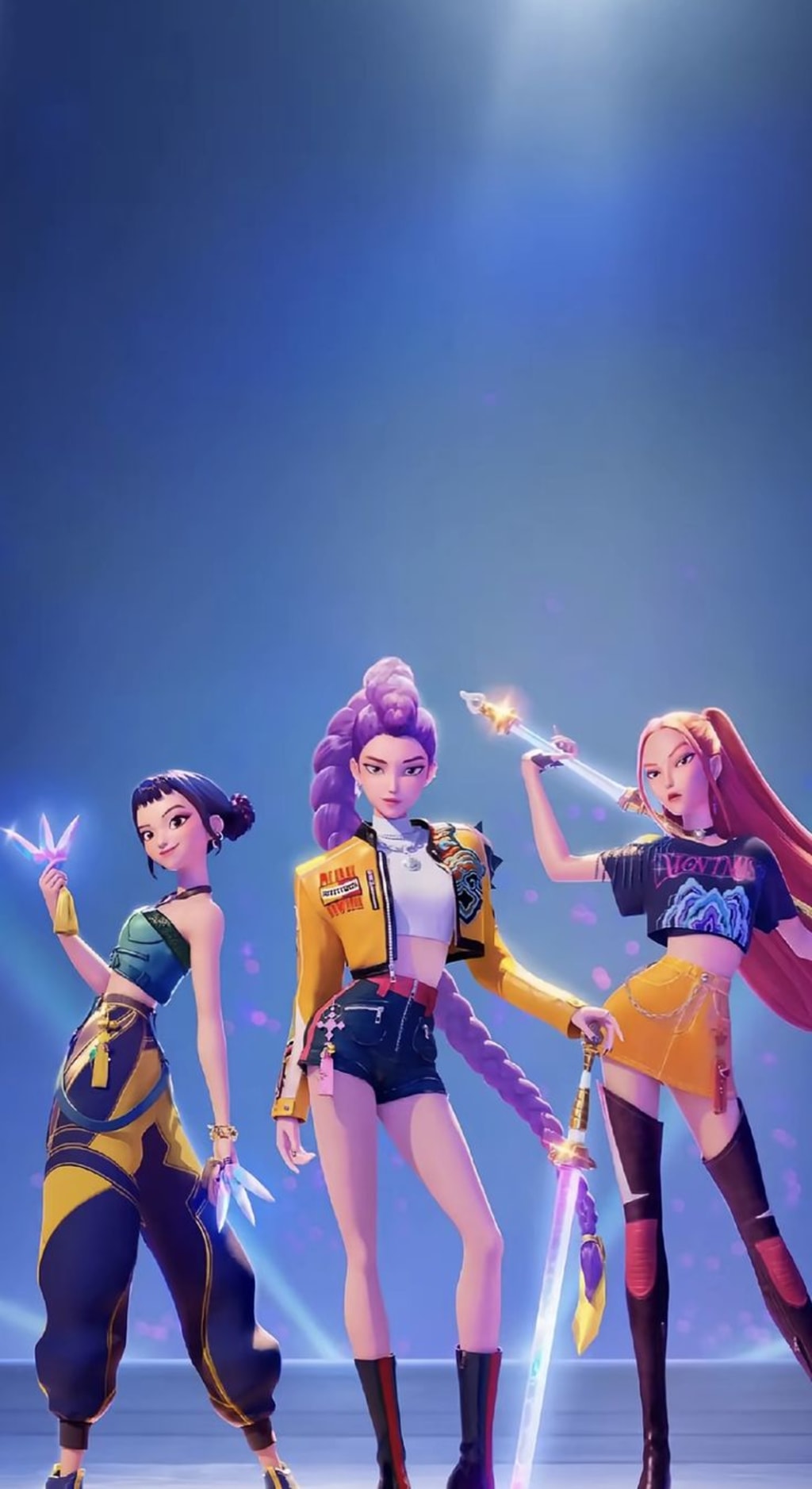
Netflix Takes a Page from George Lucas’ Playbook with KPop Demon Hunters
Netflix’s KPop Demon Hunters has rapidly evolved from an experimental animated project into one of the most ambitious multimedia franchises of the streaming era. Originally rejected by Sony, the film has now become a global sensation under Netflix’s wing, and in doing so, it’s following a strategy pioneered by none other than George Lucas—the mastermind behind Star Wars. With a perfect blend of music, mythology, and marketing, Netflix is turning KPop Demon Hunters into something much larger than a movie: it’s becoming a full-scale cultural phenomenon.
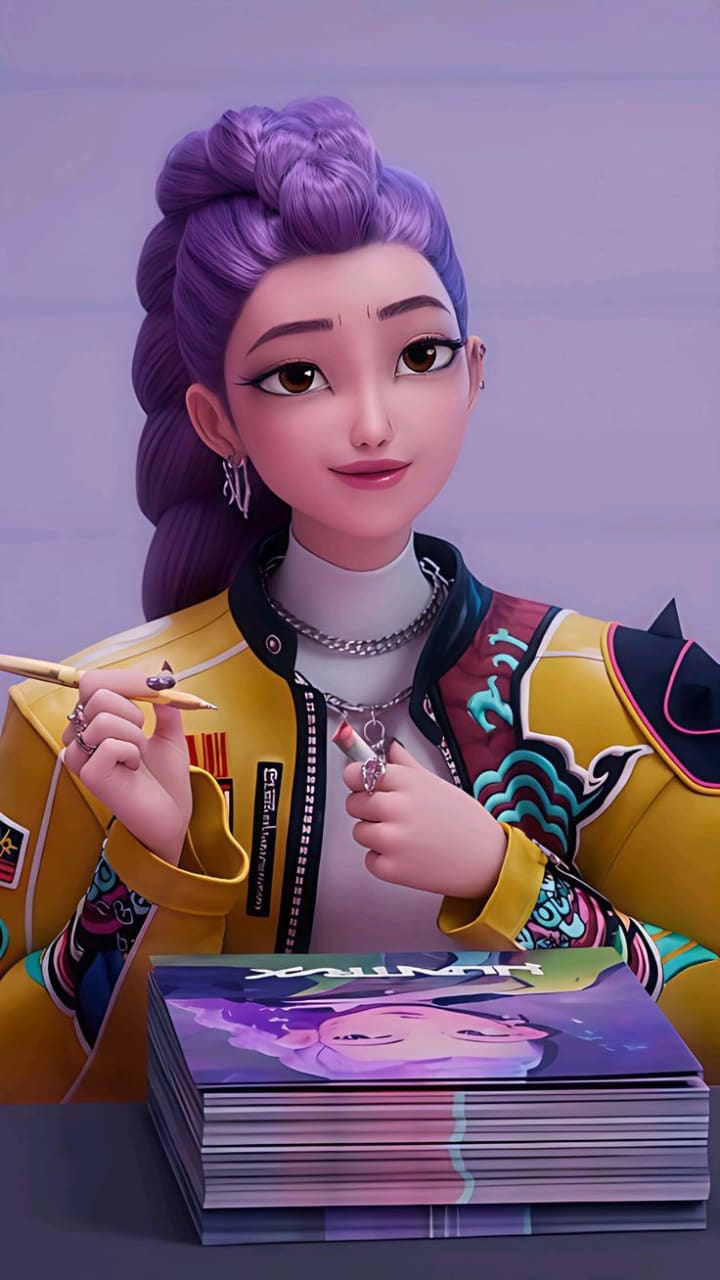
A Franchise Born from Music and Myth
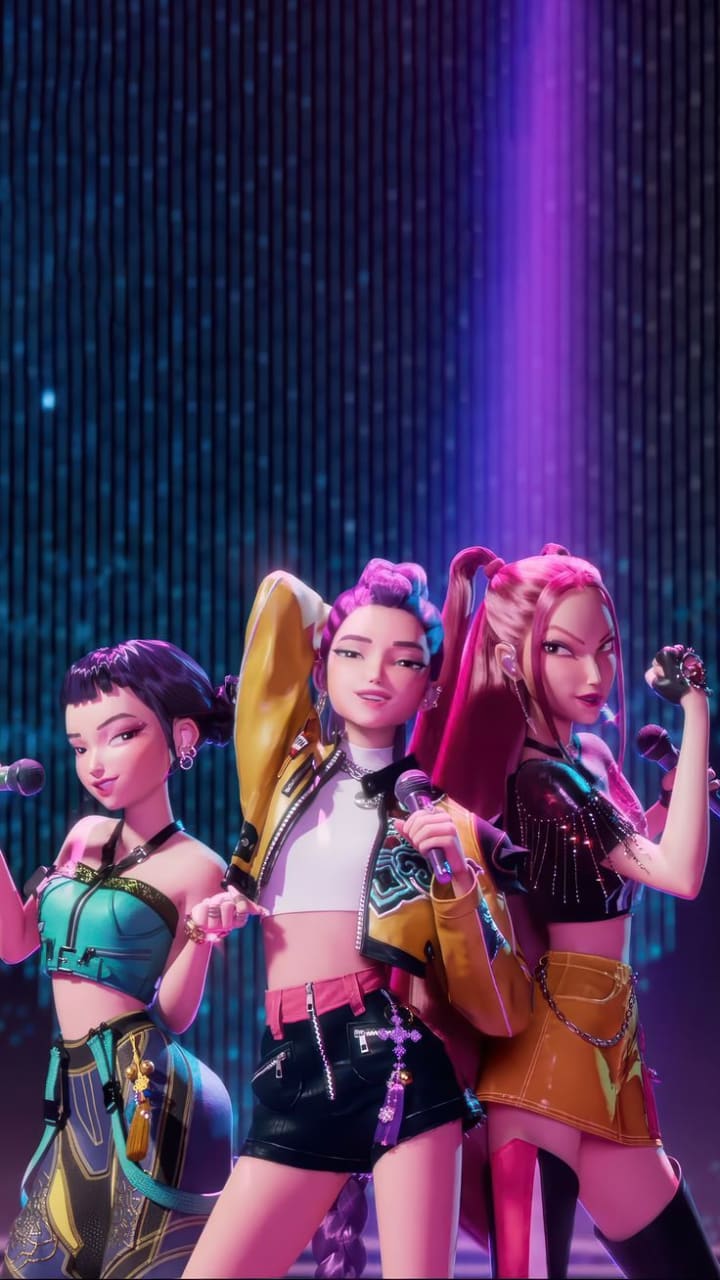
At its core, KPop Demon Hunters is a high-energy animated adventure that merges South Korea’s vibrant pop culture with supernatural fantasy. The story follows a group of K-pop idols who live double lives as demon hunters, using rhythm, light, and music to fight darkness threatening humanity. With stunning visuals, choreographed action sequences, and a soundtrack that has taken the world by storm, the movie blends Eastern mythology and modern fandom in a way that feels fresh and globally accessible.
Netflix’s decision to invest heavily in this project wasn’t just about storytelling—it was about creating an ecosystem. Much like George Lucas understood that Star Wars was not just a film but a world audiences could live in, Netflix seems to be adopting the same principle. The KPop Demon Hunters brand now extends beyond the screen through merchandise, music, and spin-offs, setting the stage for a long-term franchise strategy.
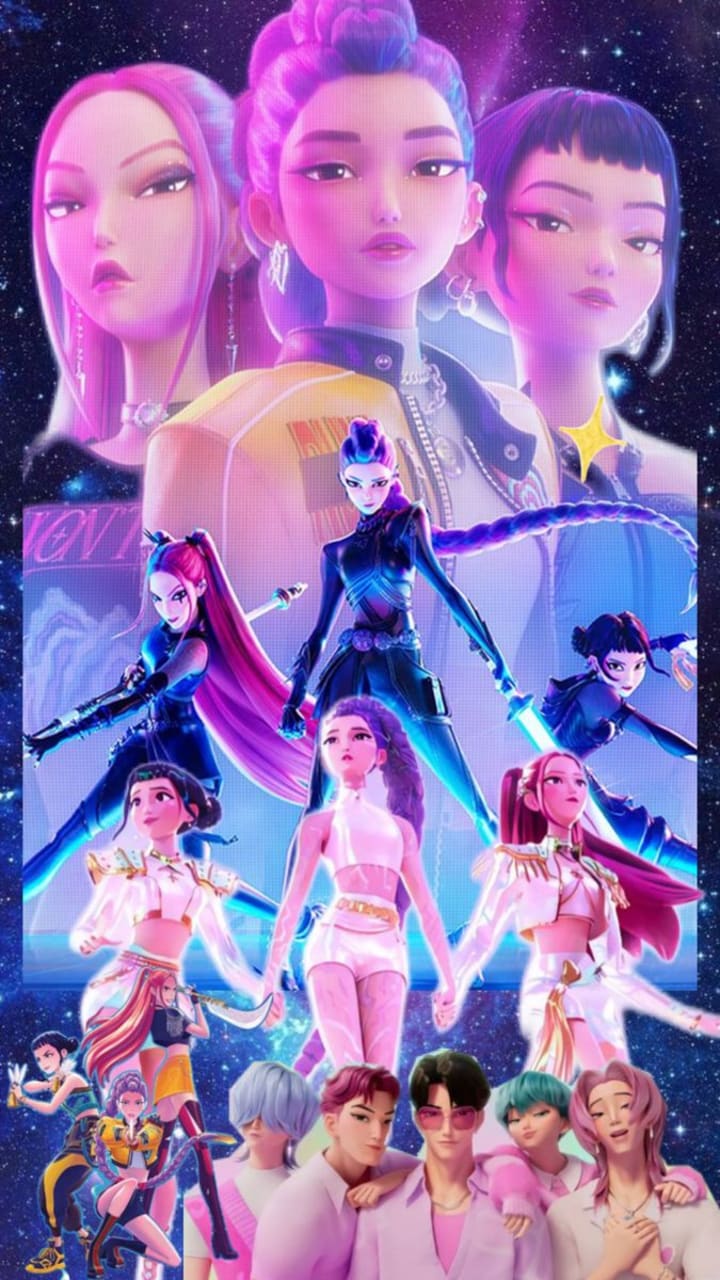
The George Lucas Blueprint
When Star Wars premiered in 1977, few could predict how it would change the entertainment industry forever. Lucas’s genius wasn’t limited to storytelling—it was in understanding the power of world-building and merchandising. By retaining rights to Star Wars toys, comics, and spin-offs, Lucas created an empire that generated billions, shaping how Hollywood viewed intellectual property.
Netflix is now following a similar trajectory with KPop Demon Hunters. The streaming giant has reportedly signed an unprecedented toy collaboration with both Mattel and Hasbro—two of the biggest names in the industry. This partnership marks Netflix’s most aggressive move yet into cross-platform storytelling and merchandising. Action figures, dolls, collectibles, and even interactive musical toys inspired by the film’s characters are expected to hit shelves next year.
This mirrors Lucas’s approach to Star Wars—transforming a single story into a self-sustaining universe that thrives across multiple markets. For Netflix, which has been seeking new revenue streams beyond streaming subscriptions, the move represents both a creative and financial masterstroke.
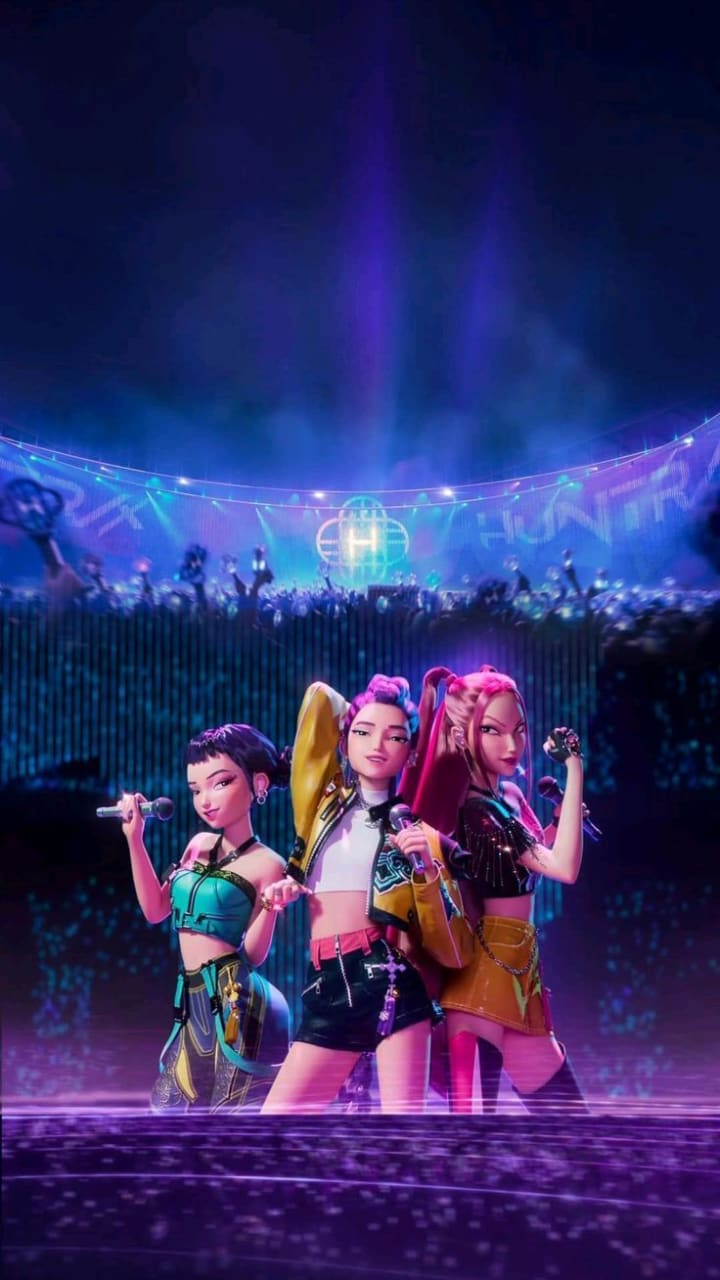
Expanding the Universe
The strategy doesn’t stop with merchandise. An animated short film related to KPop Demon Hunters has already been rated by the MPA, signaling the beginning of an expanded universe. Netflix appears to be laying the groundwork for sequels, spin-offs, and perhaps even a series. This is a textbook Lucasfilm move: building lore piece by piece, deepening emotional investment, and turning every release into an event.
The film’s global success has also proven that audiences are hungry for stories that bridge cultural divides. By combining the high-energy spectacle of K-pop with the universal appeal of action fantasy, Netflix has tapped into two massive fan communities. This approach—connecting music, myth, and media—echoes the transmedia philosophy that Star Wars pioneered, where storytelling exists across film, sound, literature, and fandom culture.
Reinventing the Streaming Model
What makes KPop Demon Hunters especially significant is how it signals Netflix’s shift from being just a platform to being a brand-building powerhouse. For years, Netflix’s original films have been self-contained experiences—watched once and rarely discussed beyond a few weeks. But with KPop Demon Hunters, Netflix is investing in longevity, identity, and global fandom.
The film’s soundtrack alone has already become a hit on streaming platforms, boosting its visibility and giving it cultural momentum far beyond typical animated releases. This cross-medium synergy—music driving film success, film driving merchandise sales, and merchandise fueling fandom—is exactly how Lucas revolutionized Hollywood.
A New Era of Franchise Building
In taking a page from George Lucas’ playbook, Netflix is making a bold statement: the age of disposable streaming content is over. The future belongs to cinematic universes that blend storytelling with emotional and commercial immersion.
KPop Demon Hunters is not just another animated film—it’s Netflix’s declaration that it can compete with Disney, Marvel, and even Lucasfilm in the franchise arena. If the upcoming short and merchandise line succeed, this could mark the birth of Netflix’s first true multimedia empire.
As George Lucas once proved, the key to longevity lies not just in what you create, but in how you expand it. And in that regard, Netflix seems ready to carry the torch into the streaming age—one beat, one demon, and one K-pop anthem at a time.
About the Creator
My Dad
I got my story in a magazine; it was about my dad, George Hurst. He was the best dad in the world. He loved his family and raised his children while my mum was always ill with her nerves. He cooked, cleaned, and worked down the coal mine. My dad was like me: always happy and helping others, but usually taken for granted, too.
By George’s Girl 2026 5 days ago in Fiction
Why Didn't Anyone Tell Us
Men, move along. This is not for you. This is for the women. I was forty-five when I began menopause. It is pretty young for that to be going on in a woman’s life, but I had undiagnosed PCOS, my entire life. Thank you to all the gynecologists I had seen my entire life. That in itself should encourage women to keep seeking second opinions, especially when you are not getting correct answers or any at all.
By Alexandra Grant6 days ago in Humans

Comments (1)
I really enjoyed reading your story, and a few visual ideas came to mind. Can I share them with you?