
Nature's Sunshine
Nana Knew Best

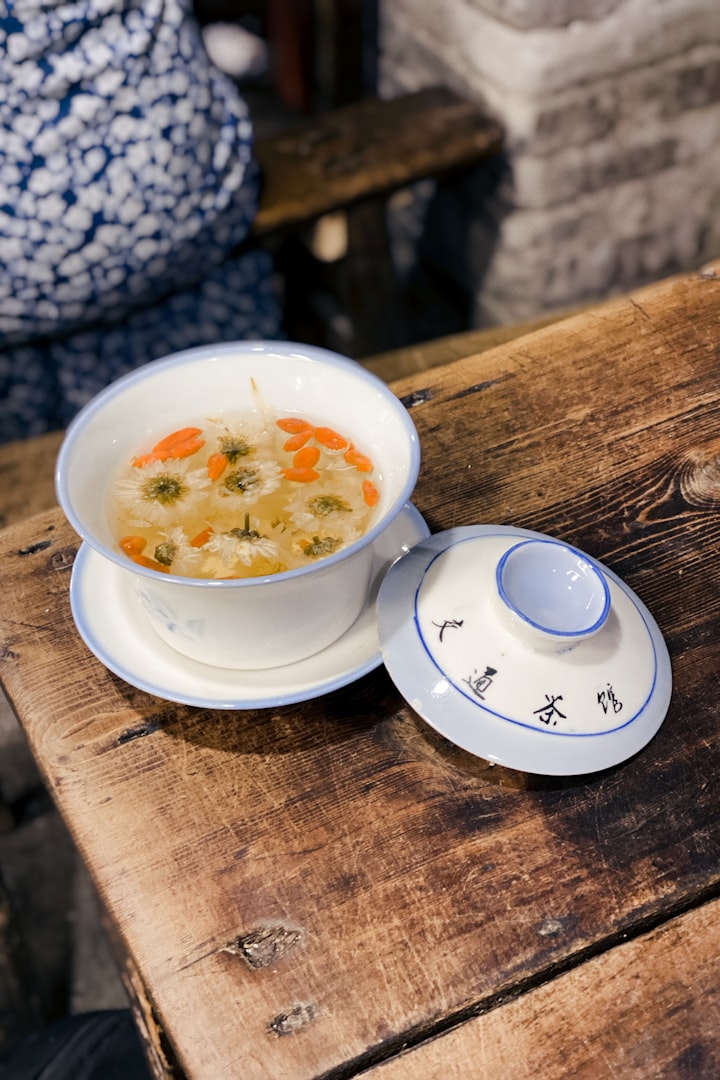
The lessons from the Great Depression left an indelible mark on Nana. She was a hoarder of sorts, well before it became fashionable to shame hoarders on the public airwaves. Which wasn’t to say that she didn’t keep a tidy home. It was meticulous. Pristine even. At any given moment she was ready to host or entertain if unannounced company stopped by. She simply refused to throw away anything that could be “repurposed.”
It was the same way when it came to food. There was no such thing as “leftovers.” It was a brand new meal, reimagined with the remains from the day before. A roasted chicken that was the centerpiece of a Sunday dinner, became club sandwiches the following night when bacon, lettuce, and tomato were thrown into the mix. On Tuesday what was left of the carcass was boiled down with branches of dill, diced carrots, and fluffy egg noodles to make a soup that was so good, it almost dared you to get sick.
It was the soup smells that I loved the most. My friends always complained about going to their grandparent’s house; the smell of mothballs or incredibly cloying and ancient perfumes that seemed to linger on your clothes for days. But not my Nana.
To her, perfume was an exorbitant luxury you didn’t need to spend money on. Not if you had a garden and a spice cabinet. While he was around, she made a special concoction for my Pop-Pop consisting of ground pine needles, pipe tobacco, burned orange peels, a splash of bourbon, and dashes of black pepper and cinnamon which she added to canola oil. That was as good as anything you could buy in any department store. I knew she kept a small bottle hidden away inside the drawer of her nightstand that she sometimes sniffed before she went to bed.
She was less exacting with the perfume she created for herself – reserved for special occasions. Crushed gardenia blossoms mixed with coconut oil. It reminded her of their honeymoon when they went all the way to Hawaii. The flight wasn’t too bad; it helped that he had been stationed in San Francisco after the war. It was the last time she flew. Every so often I caught her blushing as she smelled her gardenias. Memories of her honeymoon cascaded over her like the hidden falls on Maui in which she and Pop-Pop bathed.
It wasn’t easy maintaining her garden anymore. It had been vastly pared down after Pop-Pop passed. I did my best to help out with the initial plantings every season whenever I could. It was never enough. On more than one occasion I showed up at her house as she lugged a bag of fertilizer that weighed as much as she did.
Her house was forever sprinkled with whatever cut flowers were in season, as long as they came from her garden. There was no need to buy fancy scented candles which never really smelled like what they were advertised to be. Like everything else, the flowers could be repurposed.
Most of the flowers she grew were edible. Some of it was learned through trial and error, but over the years she knew which flowers could be used for what purposes. Lavender was dried and crushed to flavor lamb chops. Hibiscus was versatile and was often used to flavor iced tea. Nasturtiums and violets added a colorful and tart touch to her salads.
Even marigolds found their way to the dining table. I was never impressed by their smell. Something akin to wet hay, or worse hay that was wet because a horse peed in it. Nana set me straight. It wasn’t just the flavor; it was the coloring. Marigolds were sometimes called “nature’s sunshine” because they resembled the sun. Their ostentatious orange-yellow hue was often prized by unscrupulous chefs who would dry them and grind them to add to pricey saffron powder. I never equated chefs with shady drug dealers who “stepped” on their drugs, but what did I know?
I dared her to make me something with marigolds that weren’t simply for decoration.
She told me to come back the following day.
When I entered her house I was consumed by the hearty, welcoming sense of a brewing soup. Pungent onions that had been bathed in sherry and butter lingered and warmed me like a blanket. She placed a steaming bowl in front of me with a thick layer of tart cheese which created a solid surface. When I poked through, a decadent burnt orange broth redolent with onions dazzled me. It was Nana’s own unique variation on a French onion soup.
As I savored the bowl, she explained to me it was Pop-Pop’s favorite soup. Marigolds were supposed to have restorative and medicinal properties. Some folks believed they were magical and symbolized rebirth and renewal. Nana started making the soups once Pop-Pop got sick. She didn’t buy into any of the restorative claims or magical mumbo-jumbo. She just loved watching him eat the soup and telling her how much better he felt. When he became too weak to feed himself, she spoon-fed him and he promised her he felt better and stronger with every bite.
In the end, the marigolds gave the soup an interesting dimension, a pleasant bitterness that was welcoming against the sweetly sour potency of the onions. But she was right. It was all about the color.
My Nana’s soup took on the color of hope and love.
----------------------------------------------------------------------------------------
Please enjoy all of my other stories on Vocal and follow me on Twitter @thedutchsimmons and on my webpage thedutchsimmons.com - I promise... I'm moderately entertaining!
About the Creator
Dutch Simmons
Dutch established a creative writing program for his fellow inmates while incarcerated.
He is the Writer-In-Residence for The Adirondack Review.
Dutch is a Fantastic Father, a Former Felon, and a Phoenix Rising
@thedutchsimmons on Twitter
Keep reading
More stories from Dutch Simmons and writers in Fiction and other communities.
No Day at the Beach
Sharks. A simple answer that spoke volumes. When asked why he didn’t go to the beach, Brody answered, “Sharks.” He watched “Jaws” at an impressionable age. That did it. He could barely swim. He looked like a spider in a blender; arms and legs frantically flailing. It didn’t matter. He wouldn’t go into the water.
By Dutch Simmons5 years ago in Fiction
Flower Bloom 369
FLOWER Bloom 2/25/26 Wednesday By Mariann Carroll Karen had been with Tony for 7 years. Tony started acting strangely after her surgery. He would mow the lawn in the rain and be on his cellphone. He started pushing Karen away. Tony came clean about seeing someone. Karen moved out two months later. Karen moved in with a friend. She felt betrayed.
By Mariann Carroll7 days ago in Fiction




Comments
There are no comments for this story
Be the first to respond and start the conversation.