

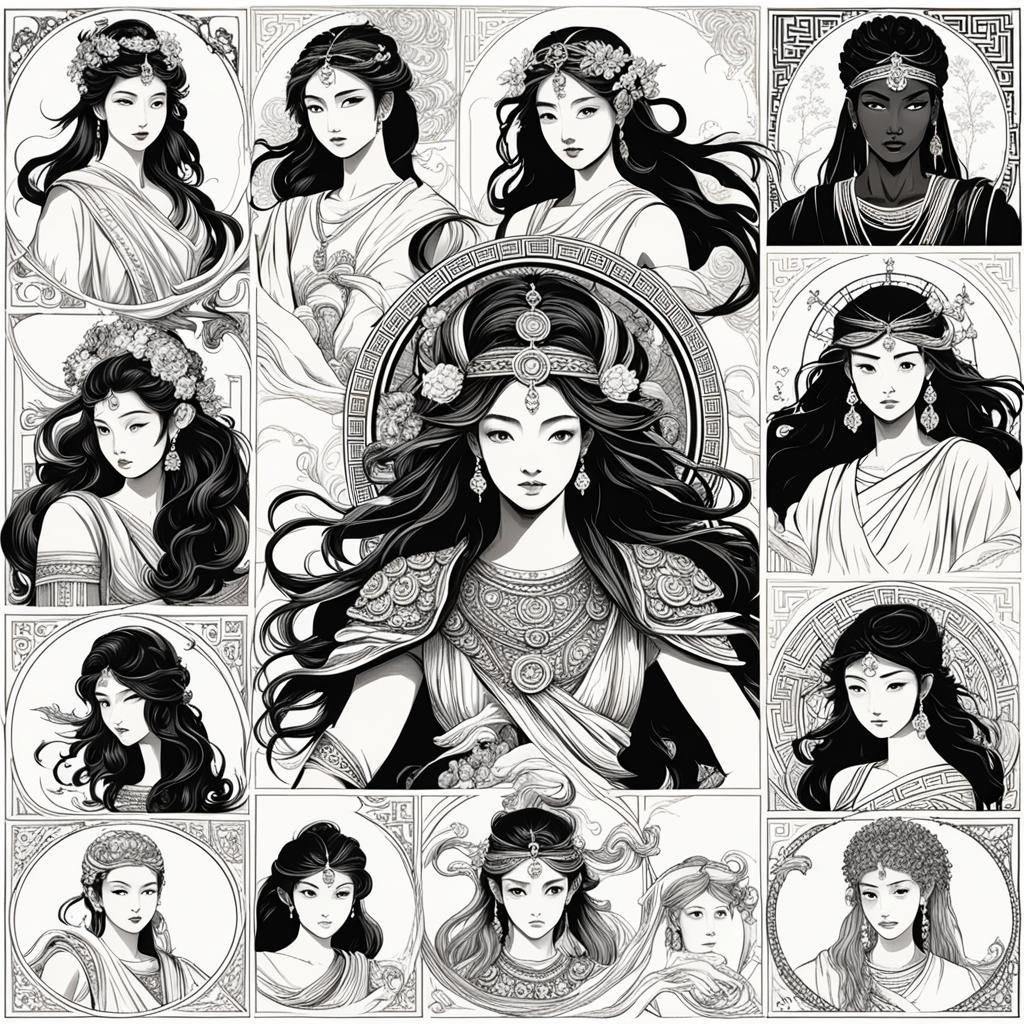
In a faraway realm where legends lived, where gods and goddesses reigned supreme, lived the nine Muses, daughters of Zeus and Mnemosyne. They were the most enchantingly beautiful women ever seen and were known as Calliope, Clio, Polyhymnia, Euterpe, Terpsichore, Erato, Melpomene, Thalia, and Urania. On hills and mountains they did dwell and Homer and Hesiod wrote fondly of them.
As the daughters of Zeus, the Nine Muses were the personification of the knowledge of the arts, who could inspire creation and embody the arts themselves.
There is a mythos of tales of these muses, told down the ages as fables, word of mouth narratives and of poetic stories shrouded in myth, mithoi and mythoses. Tales told of the Nine Muses of Greek mythology.
These fascinating goddesses belonged to the higher echelons of the ancient world. They bestowed artistic inspiration upon the world through literature, science and the arts, including poetry, lyric songs, and myths.
The Muses had a special role: that of bringers of forgetfulness. The arts personified by the Muses gave people a break from pain and a distraction from their obligations. They were the key to the good life, bringing not just prosperity, but also friendship.
~~~~~
On the night of the summer solstice, the temples and shrines were filled to overflowing with artists, poets, comedy enthusiasts, classical performers, musicians, farmers, mimes, dancers, gurus, mathematicians and people who had lost loved ones. They all gathered to show their dedication to the Muses and to elicit their blessings. In ancient Greece, at Mount Helikon in Boiotia and Pieria in Makedonia, people came from far and wide to pay homage to the Muses.
They offered floral gifts, wreaths and fragrant oils as has been done for many generations. In ancient times, authors and poets would ask for help and inspiration from the Muses, or simply request the Muse worked through them as they practiced their craft.
Each person would choose the Muse of their particular choice and honor her with their gifts.
The muse Thalia, "the joyous, the flourishing", presided over comedy and idyllic poetry, and her symbol is an ivy wreath.
Calliope, "beautiful of voice", presided over eloquence and epic poetry. She was sometimes referred to as the "Chief of all Muses".
Euterpe, "rejoicing well" or "to delight", was the Muse who presided over music, and in later Classical times, lyrical poetry.
Terpsichore took "delight in dancing", she was recognized as the goddess of dance and chorus.
As well as being a Muse, Terpsichore was also the mother of the Sirens by the river god Achelous. She is frequently depicted with a lyre, accompanying dancers with music.
Erato the "desired" or "lovely", is the Muse of lyric poetry, erotic poetry, and mimic imitation.
Polyhymnia, "one of many hymns". She is the Muse of sacred poetry, sacred hymn, agriculture, dance, eloquence and pantomime. This Muse is seen as someone serious, meditative and the Muse of meditation and geometry.
Urania, "heavenly" or "of heaven", is the Muse who rules over astronomy, astrology, and the stars. She offers Universal Love and is said to be able to foretell the future according to the arrangement of the stars.
Clio, also spelled "Kleio," is the Muse of history and in some accounts, lyre-playing. Her name means "to recount," or "to celebrate". She is the celebrator of great deeds and accomplishments.
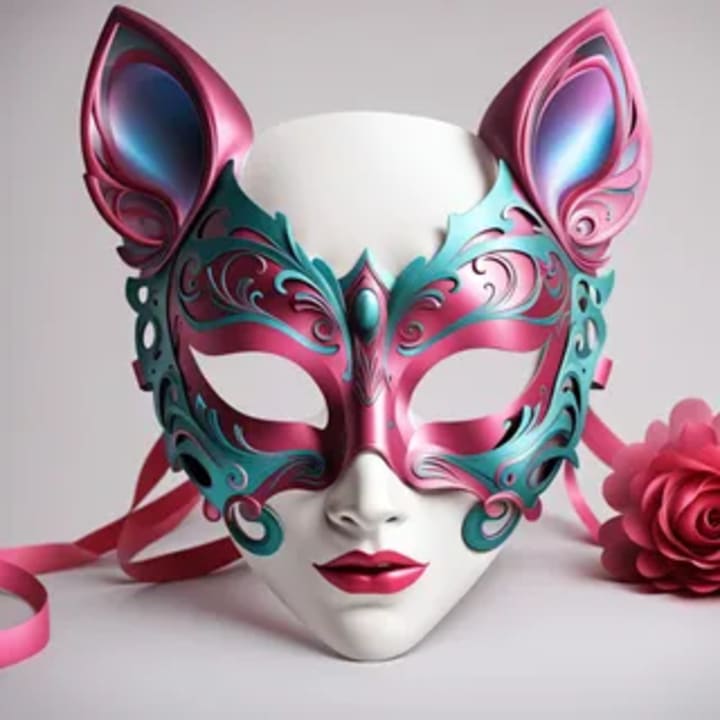
Melpomene, "to sing" or "the one that is melodious." As a Muse, Melpomene is the goddess of tragedy and is frequently depicted with a tragic mask. She is said to sing songs of mourning for people after they die, especially poets.

As the celebrations were drawing to a close on the sacred night, a magical thing occurred.
The celebrants found themselves in what seemed like a dream. They were all transported up to Mount Olympus where that were welcomed by Zeus, Mnemosyne and the nine Muses.
Each received a blessing from their chosen Muse according to their vocation. Those who had lost loved ones were united for a short time and allowed to make their peace.
As if the night had been really a dream, everyone awakened in their beds next morning feeling refreshed and renewed. Poets had a poem to be written, authors had a book to write, musicians found music to compose and everyone according to their calling was blessed with a gift to suit their needs. The people who had met their departed ones found framed pictures of themselves with the likeness of their loved ones, as if to assure them that they had really been there.
Word spread far and wide of the magic of the summer solstice and the gifts which they had received.
Perhaps I too, on the next summer solstice, will journey to the place where gifts of literary, musical, and soul renewal are bestowed. We hope that you too will join us.
Way up on Mount Olympus, Gods and Goddesses smiled!!!
On the longest day of the year, a town revives an ancient solstice ritual and discovers its unexpected power.
....................................................
Sources: (Britannica) (Greek Reporter) (The Collector) (World History) (Greek Mythology)
Story by Stars Insider
About the Creator
Novel Allen
You can only become truly accomplished at something you love. (Maya Angelou). Genuine accomplishment is not about financial gain, but about dedicating oneself to activities that bring joy and fulfillment.
Keep reading
More stories from Novel Allen and writers in Fiction and other communities.
The Voodoo shop of Caribbean solstice 🏝️
Summer solstice Caribbean style is not your Momma's solstice. Better break out the sunscreen and air conditioning, which, BTW, most of the Island folks cannot afford to pay the enormous electrical bills for. The lovely tourists may need to keep their cool cars, buses and limos close by.
By Novel Allen2 years ago in Fiction
Miss Persephone's Manual to a Seemingly Ordinary Life
Miss Persephone was found at the dining table, her blue eyes swollen, her tears arriving and retreating like the tides of the ocean. Earlier that day, her family had visited her in the retirement home where she had lived for eight years. It was her eightieth birthday.
By Imola Tóth2 days ago in Fiction


Comments (8)
Well-wrought! People often overlook how intricately interwoven religion was with the daily lives of people the world over throughout history and in every culture. Every practice had its own god or spirit overseeing it. The muses were among the most innocuous, but no less important, of such spirits. As Shelley remarked: "Poets are the unacknowledged legislators of the world."
This one is like salve for the soul, Novie! It is extraordinarily special and beautifully penned. I love the images, names and their gifting. I especially love Clio and Thalia and Melpomene. Each strike a chord with my personality. I love comedy, to celebrate others and am often the person in my family to poetically sing for my loved ones after they pass. It's as if God gives me the words to offer comfort to those who are mourning. I love how each gift works in unison and does not outshine the next.
This is interesting. I was big into Greek democracy and medicine. Nice to read about mythology
Nice take on the challenge, Novel!
I have enjoyed writing about, and as a tribute to, these mythical maidens. I am especially fond of Thalia, as she is the patron of the comic poet and satirist. You have addressed this theme with skill and charm, as ever!
I think my favourite is Melpomene, I feel she resonates with me. Loved your creative take on this challenge!
Wonderful, your description of the Nine Muses and the reverence they received in ancient Greece is enchanting, your attention to detail and the inclusion of specific Muses, such as Thalia, adds depth to the narrative, great on transporting us to a realm of ancient mythology, thank you very very much for sharing, have a nice day mate!
A mythical celebration on Mount Olympus grants blessings of creativity and renewal to all who attend. lovely story!