

Dragons: Mythical Creatures of Legend and Wonder
Introduction
Dragons have captivated the human imagination for centuries, inspiring awe and wonder with their majestic presence and awe-inspiring abilities. These mythical creatures hold a prominent place in folklore, literature, and popular culture, enchanting generations with their beauty, power, and symbolism. From the fire-breathing dragons of European legends to the wise and benevolent dragons of Chinese mythology, these creatures have taken on various forms and held diverse meanings. In this article, we will explore the rich tapestry of dragon lore, examining their origins, characteristics, and enduring appeal.
Origins and Cultural Significance
Dragons have deep roots in the mythology and folklore of diverse cultures around the world. Ancient Mesopotamia, Egypt, and Greece were among the first civilizations to weave tales of dragons into their narratives. These creatures often represented gods, creation, and cosmic forces, embodying both chaos and power. In Chinese mythology, dragons symbolize strength, wisdom, and good fortune. They are revered as protectors and bringers of rain, associated with the Emperor and the imperial family.
Characteristics and Variations
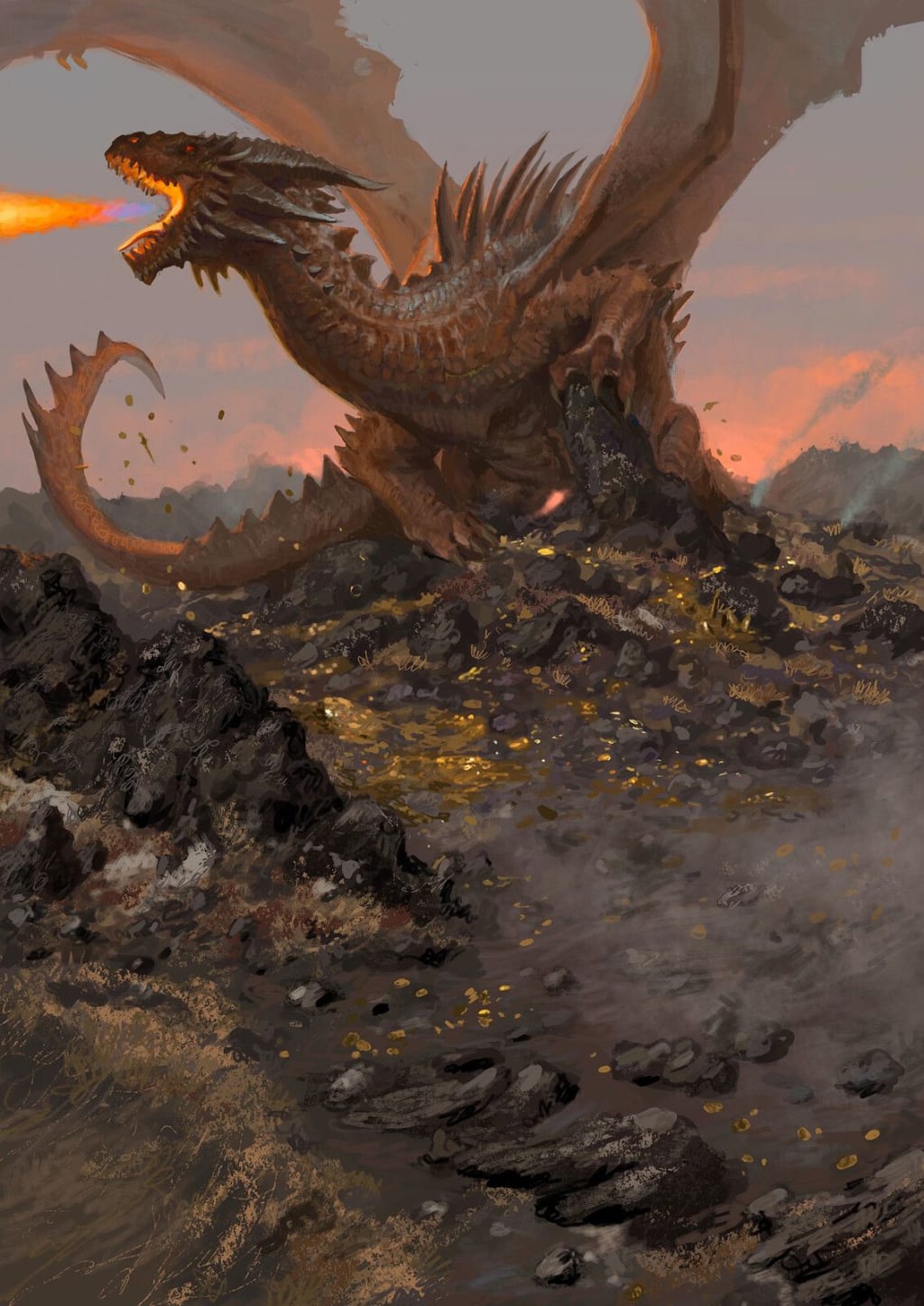
Dragons are typically depicted as large, reptilian creatures with scaled bodies, sharp claws, and bat-like wings. However, their characteristics and abilities can vary widely depending on cultural interpretations. Western dragons, such as those found in European mythology, are often portrayed as malevolent beasts guarding treasure hoards. They are known for their ability to breathe fire and possess immense strength. In contrast, Eastern dragons, like the Chinese Long, are seen as benevolent beings associated with rivers, rain, and good fortune. These dragons have serpentine bodies and are believed to bring blessings and abundance.
Symbolism and Cultural Influence
Dragons hold deep symbolic meaning in many cultures. In addition to their associations with power and wisdom, dragons also symbolize strength, bravery, and untamed potential. In Western cultures, dragons are often depicted as adversaries that heroes must overcome, representing the forces of chaos and evil. In heraldry, dragons are common symbols, appearing on shields, crests, and flags of noble families. They embody the fierce spirit and indomitable nature of their bearers.
Dragons in Literature and Pop Culture
Dragons have been a beloved staple of literature for centuries. From the epic tales of knights battling dragons in medieval legends to the dragon Smaug in J.R.R. Tolkien's "The Hobbit," these creatures have played central roles in many captivating stories. In modern popular culture, dragons continue to capture our imagination through movies, video games, and television shows. Whether it's the ferocious Drogon in "Game of Thrones" or the endearing Toothless in "How to Train Your Dragon," dragons continue to inspire awe and fascination.
Scientific Explanations and Modern Perspectives
While dragons exist purely in the realms of mythology and fantasy, various scientific explanations and real-life inspirations have been suggested. Fossil discoveries, such as dinosaur remains or ancient reptiles, have been proposed as potential sources for dragon legends. Early human encounters with large predators or natural phenomena, such as volcanic activity, may have also contributed to the development of dragon myths.
Conclusion
Dragons, with their timeless appeal, continue to ignite our imaginations. From their ancient origins to their enduring presence in literature and popular culture, these mythical creatures represent our desire for adventure, conquest, and the unknown. Dragons will forever soar through the realms of our imagination, inspiring awe and enchantment for generations to come.
About the Creator
DMG
art
Keep reading
More stories from writers in Fiction and other communities.
I've Just Realized
The President doesn't understand music. There. It felt very good to write that; it's some thing I just realized today. Oh , yes; he plays it. He TRUMPets it in rallies and meetings, pumps it across the airwaves when he gathers up our minutes waiting for his late arrival.
By Judey Kalchik 4 days ago in Beat
The Angry Man in Your House
"If you grow up with an angry man in your house, there will always be an angry man in your house" This statement has caused plenty of controversy online, people say its a statement that blames victims while also undermining those who break traumatic cycles to form health relationships... but if I'm honest now that I'm in my 30s it makes more sense to me than ever, and I'd argue that its not just about fathers and uncles.
By S. A. Crawford6 days ago in Humans



Comments
There are no comments for this story
Be the first to respond and start the conversation.