
MIDNIGHT ON FRIDAY
WORKER OF PATHWAYS

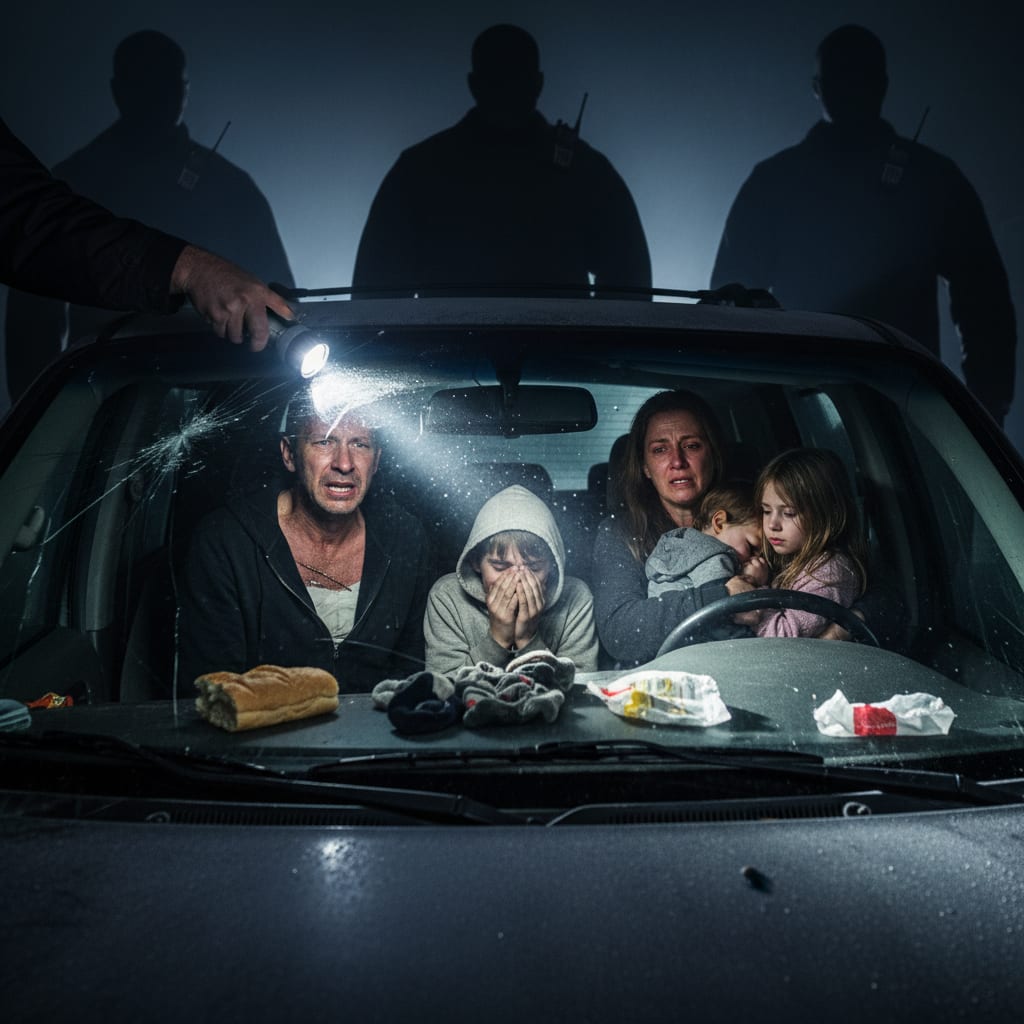
“Midnight on Friday” is a voice driven story about what happens when ordinary people are pushed past the edge and still find a way to keep moving.
This piece follows a working family caught in the machinery of new laws, a billionaire drifting through Italy, and the quiet figure known only as the Worker of Pathways the one who sees what others refuse to see.
This is a modern parable told through voice over only, recorded in the raw hours when truth comes through cleanest.
Thank you for listening, and for walking with me through the dark to find the light on the other side.”
Recorded in the late night hours, this piece carries the truth of what happens when systems fail and people keep going anyway.
MIDNIGHT ON FRIDAY
WORKER OF PATHWAYS
Characters of the Pathway Epic
Elena: The mother of three, a former sociology intern, now trapped in a federal camp after her family's eviction. Representing the resilient but broken working class.
Julian: The billionaire archetype, living in luxury in Italy; he views social collapse as 'progress' and people as data points.
Claire: Julian's wife, a former sociology professor trapped in a 'gilded cage' luxury townhouse. She is the 'hidden bridge' who discovers the truth.
Leo: The 12-year-old son and 'watchman' of the family. He is the scribe of the shadows, documenting their journey on a grocery-bag journal.
Sarah: The 'Single Woman' in the camp (Tag 408). A street-smart survivor who provides the family with 'blind spots' and hard-earned wisdom.
Father: Recovering from heart surgery, struggling to hold his family together physically and spiritually while marked by his 'pale river' scar.
The Worker of Pathways: The mythic, sovereign narrator and witness who sees the connections between the marble and the metal.
"Now, lean in close, for the wind is rising and the gates are locked. This is not just a story of a camp or a car; it is a story of the threads that bind us when the world tries to tear us apart. Listen to the rain on the tin roof and remember... the pathway is never truly lost as long as one child keeps a map, and one woman keeps her heart."
What Happened to the People in the Car
This is the story of people who worked hard, followed every rule, and still fell through the cracks.
A single woman who struggled to buy milk for herself.
A mother and father with three children ages twelve, nine, and two who both worked until the government shut down the childcare centers they depended on.
The new law forced the mother to stay home, and the father took on three jobs just to keep food on the table.
Then came the heart attack.
Heart surgery.
Reduced hours.
Bills they couldn’t pay.
And finally, the eviction that pushed the whole family into their car.
They lived there as long as they could, parked near a city park, trying to stay invisible.
But one night, as they slept, federal agents arrested them for vagrancy and transported them to a government-run homeless camp.
There, frightened and exhausted, they met the single woman who had been arrested the same way.
This is where their story begins in the space between survival and the system that failed them.

OPENING / Split Screen
On the east side of the city, dawn scraped its way across the windshield of a 2008 Honda with a cracked bumper and a backseat full of children’s dreams.
The windows were fogged from breath and cold.
The toddler slept curled against her mother’s chest, thumb in mouth, hair matted from too many nights without a crib.
The twelve year old kept watch, because someone had to.
The nine year old whispered prayers she didn’t learn in church.
Their father sat upright in the driver’s seat, one hand pressed to the scar that ran like a pale river across his chest.
The doctors said he was lucky.
Luck didn’t pay for milk.
Luck didn’t keep a roof over their heads.
Luck didn’t stop the knock on the window.
On the west side of the world across an ocean and a tax bracket a billionaire lifted a glass of Chianti on a balcony in Florence.
The sun warmed the marble beneath his bare feet.
His mistress laughed at something he said, though she wasn’t listening.
She didn’t have to.
Her job was to be beautiful, and she was paid well for it.
Back home, his wife arranged fresh flowers in the foyer of their luxury townhouse.
She did not work anymore the new law said wives should stay home, “for the good of the family.”
She repeated that phrase like a prayer, though it never felt holy.
The children in the Honda stirred as the blue lights flashed behind them.
The father’s breath caught.
The mother tightened her grip on the toddler.
The twelve year old whispered, “It’s okay,” though he did not believe it.
The billionaire in Italy did not see the lights.
He did not hear the knock.
He did not feel the fear.
He only felt the sun on his skin and the weight of a world designed to keep him comfortable.
And somewhere between these two realities
between the marble and the metal,
between the wine and the hunger,
between the balcony and the backseat
a voice rose.
The worker of pathways.
The witness.
The one who sees what the world refuses to look at.
And the story began.
In the camp, under the buzzing hum of the perimeter lights, the mother sat on a thin, government-issued cot, her hands trembling as she tried to smooth her daughter’s hair. The woman, recently arrested for having nothing in her fridge and sleeping on the sidewalk, bent forward and pushed a wrinkled, warm carton of milk toward her. "The small ones need it more," she whispered, her voice like dry leaves over stone. They locked eyes the mother who had lost everything for her family, and the woman who had nothing left to lose and in that shared look, they recognized that they were no longer citizens, but fuel for a machine that had finally stopped pretending to care.
Meanwhile, miles away in the silence of the luxury townhouse, the billionaire's wife stood in her marble foyer, staring at the fresh-cut roses that cost more than a retail worker’s monthly rent. The "Traditional Values" law had stripped her of her career and her agency, wrapping her in silk and calling it "protection." As she watched the heavy, gold-plated deadbolt on the front door slide into place a lock she wasn't permitted the key to the realization hit her with the cold weight of an anvil: she wasn't the lady of the manor; she was the most expensive piece of furniture in a very beautiful cage.
Leo sat in the far corner of the backseat, his knees pulled to his chin, making himself as small as possible so as not to wake the two-year-old. Before the agents had come with their flashlights and their "relocation" orders, his world had been the size of a foggy window. Using his index finger, he drew a path through the condensation, outlining the streets they had had to abandon and tallying the days since he would last occupy a school desk. He called it the "Path of the Invisible," a secret geography only he understood.
Now, inside the camp, the foggy glass was gone, replaced by chain-link fences that cross-hatched the sky. Right before he was taken into the transport van, he slipped a golf pencil and a flattened grocery bag into his waistband. In the dim light of the barracks, he began to scratch out the truth. He did not write about fear; he wrote about the "Worker of Pathways." He imagined a giant who walked above the fences, someone who saw his dad clutching his chest and the single lady sharing her milk. Leo was not just a kid in a camp anymore; he was the scribe of the shadows, documenting the moment the world split in two, waiting for the day he could hand the map to someone who could lead them out.
The Song of the Pathway Worker
I am the one who walks the line where the asphalt meets the dust,
Where the silver spoon is polished bright, and the bread is thick with rust.
I see the hand upon the chest, the heart that beats in fear,
While oceans away, the crystal clinks for those who cannot hear.
The law is inscribed with bold ink by pens that never falter,
Turning a mother’s quiet love into a forbidden deed.
They call it "Order," call it "Peace," and lock the golden door,
While children draw their secret maps upon the barracks floor.
Yet paths consist of more than just stone, and truth is greater than mere breath,
There is a life that rises from the shadows of this death.
Between the marble and the car, a silent wind will blow,
For I am the Worker of the Path, and I know where the spirits go.
Before the knock on the window,
before the blue lights carved the night in half,
a whisper moved through the sleeping car.
The little boy heard it first.
Not with his ears,
but with that quiet place children keep
for the things adults have forgotten how to see.
She came to him in a dream
the Worker of Pathways,
the one who walks the roads between worlds,
the one who knows the weight of hunger
and the sound of a mother trying not to cry.
She did not promise rescue.
She promised witness.
She placed a hand on his small, trembling heart
and said,
“I see you.”
And for the first time in weeks,
the boy slept without fear.
Outside, the world was sharpening its teeth.
Inside, a dream was teaching him how to hold on.
The Song of the Pathway Worker I am the one who walks the line where the asphalt meets the dust, Where the silver spoon is polished bright, and the bread is thick with rust. I see the hand upon the chest, the heart that beats in fear, while oceans away, the crystal clinks for those who cannot hear.
The law is written in heavy ink by pens that never bleed, Turning a mother’s quiet love into a forbidden deed.
Poetic Interlude — The Dream Before the Knock
Before the night split open,
before the knock on the glass
and the white glare of authority
turned their small world into a stage,
a quiet thing moved through the car.
The little boy felt it first.
Not the cold.
Not the hunger.
Not the weight of his father’s breathing
or the soft whimper of his baby sister.
Something else.
A warmth that did not belong to the night.
In his dream,
the Worker of Pathways stepped out of the dark
the way dawn steps out of a long winter.
She smelled faintly of rain on warm earth,
a scent the boy had almost forgotten.
Behind her,
the distant thud of boots
was only thunder in another world.
The harsh LED glare
was just a cold star blinking far away.
She knelt beside him
and placed her hand over his small, tired heart.
“I see you,” she whispered.
Not a promise of rescue.
A promise of witness.
And for a moment,
the boy’s breath eased.
The fear loosened its grip.
The night softened around him
like a blanket warmed by someone who cared.
Outside the dream,
the world was already gathering its teeth.
Inside the dream,
a child learned how to hold on.
And then
the thunder came closer.
The star grew brighter.
The dream thinned.
The Worker of Pathways faded like a candle in wind.
And the boy woke
just seconds before the knock.
As they passed through the gates, the "Worker of Pathways" watched from the periphery, seeing not just a line of tired people, but a library of stolen histories.
The Observation at the Gate
The gates did not creak; they hummed with a sterile, electric precision that felt more like a hospital for the living dead than a sanctuary. To the federal agents, this was simply Process 402, a logistical clearing of the "pathway clutter." They saw a man with a scar, a woman with a hollow gaze, and children who were nothing more than future liabilities.
But I saw the invisible weight they carried. I saw the mother’s ghost-memory of her office desk and the daycare center that used to smell like finger paint and safety. I saw the father’s heart, straining against the rhythm of the sirens, holding onto the flickering hope that this was all just a terrible mistake.
Although the camp lights were intended to banish shadows, they could not penetrate Leo's inner recesses, where he stored a map made from a grocery bag. As the gates clicked shut—a sound like a bone snapping in the cold the world outside continued its rotation. In a corner of Italy, someone uncorked an aged bottle. A plastic tray glided over a metal countertop. With the bridge destroyed, all that remained was a difficult journey forward in search of the truth,
The Knock/ Gritty Interval
The dream did not slip away, it shattered.
The first knock was not a hand at all, but the heavy, metallic thud of a Maglite butt slamming against the window, a vibration that traveled through the glass and straight into the father’s fragile ribs. He jerked upright, no longer a man but a bundle of raw nerves. He winced at the ache from the staples in his chest, a stark sign his body had just been cut open. A copper taste rose in his mouth, the iron tang of a heart working too hard in a world offering him nowhere to stand.
The flashlight sweep was not illumination; it was exposure. A cold, clinical beam that peeled back the fogged windows and laid their private struggle bare: the half eaten loaf of bread on the dashboard, the tangle of dirty socks in the footwell, the mother’s red rimmed eyes after three sleepless nights.
Outside, the silhouettes did not simply move they loomed.
The radios did not crackle they hissed, like a predator scenting weakness.
The voices were not abrupt; instead, they sounded uninterested, much like the tone of men collecting garbage early in the morning.
To them, this family was debris.
The twelve year old whispered frantic apologies, “I’m sorry, I’m sorry,” as if regret could buy their way out.
The nine year old clutched her mother’s sleeve.
The toddler whimpered at the sudden glare.
Then came the third knock.
The one that ended the pretending.
The one that said the talking was over.
The statement implied that only the Worker of Pathways would remain to reveal the truth, as the rest of the family was about to disappear.
The single woman, whose name was Sarah, but who was now just Tag 408, stood in the shadow of the mess hall eaves, clutching a plastic cup of lukewarm water. She watched the family stumble out of the transport van like people emerging from a wreck.
Her eyes, sharpened by weeks of bartering for extra soap and learning the rhythm of the guards' boots, went straight to the father. She saw the way he guarded his chest, moving with the stiff, brittle caution of a man held together by glass. She noticed the vacant, far-off gaze in the mother's eyes that spoke of losing everything she had invested, as it vanished in the back of a 2008 Honda.
But it was the twelve-year-old who broke her heart. He was not looking at the fences or the guards; he was looking at the ground, his fingers twitching against his thigh as if he were trying to write something in the wind.
Sarah stepped forward, just a few inches, out of the shadows. She knew that look. It was the expression of a soul pressed down until it transformed into something precious, like a diamond. She held back from offering a hug, since physical contact seemed unsafe. However, as they moved toward the "Intake" line, she exchanged eye contact with the mother.
"Keep the boy close to the wall," Sarah whispered as they shuffled past, her voice a low rasp that barely carried over the hum of the electric fence. "The cameras have a blind spot by the water barrels. That's where you breathe."
It was not much. It was not a rescue. But in a world designed to keep them drowning, she had just pointed out where the air was.
The Worker of Pathways Observation:
"One woman has nothing but a cup of water. Another has nothing but three terrified children. In the eyes of the billionaire, they are zero on a spreadsheet. In the eyes of the camp, they are inventory. But in the space between them, a pathway is forming a map made of whispers and shared glances that the 'New Law' can never quite erase."
In the cool, lavender-scented air of the Florence villa, the billionaire let us call him Julian swiped a thumb across a tablet screen that cost more than the Honda the family just lost. On the high-definition display, a news ticker scrolled past: "CLEAN STREETS INITIATIVE: CRIME DOWN 15% AS TRADITIONAL VALUES ACT RESTORES PUBLIC PARKS."
Julian took a slow sip of his Chianti, the wine staining his lips the color of a fresh bruise. He did not see the flashlights or the surgical staples or the twelve-year-old’s grocery-bag journal. To him, the "Clean Streets Initiative" was just a successful quarterly report, a digital cleanup that made the world look a little more like the marble under his feet.
"Julian, darling," the mistress called from the balcony, her voice like honey poured over glass. "The yacht is ready. Do we really have to look at the news? It’s so... dreary."
"It’s not dreary, Bella," he replied, a thin, self-satisfied smile touching his face. "It’s progress. The pathways are finally being cleared."
He tapped the screen to close the app, effectively "deleting" the family from his reality. He did not realize that the Worker of Pathways was watching him, too counting the cost of his comfort, and measuring the depth of the shadows he was creating an ocean away.
Inside the upscale townhouse, the air was pure and still, interrupted only by the steady tick-tick of a grandfather clock’s sound that felt like a meaningless countdown. Julian’s wife, Claire, stood in the kitchen cathedral of stainless steel and white quartz where no one ever actually cooked. She was watching the same news report on a screen embedded in the refrigerator door.
As she watched footage of what officials described as a “successful relocation” at a familiar park, the camera briefly showed an old 2008 Honda being lifted onto a tow truck. For a split second, she saw a child’s face in the back window, a boy with wide, hollow eyes that looked exactly like the ones she saw in her own mirror every morning.
Under the "Traditional Values" law, Claire was a "protected ornament." She had a PhD in Sociology sitting in a box in the attic, gathering dust while she spent her days arranging lilies and choosing the right shade of ecru for the guest towels. She reached for the handle of the back door, wanting to just step out into the alley, to feel the grit of the real world—but the electronic lock chirped a polite, high-pitched refusal.
“Access Restricted: Security Protocol Active,” the house whispered in a pleasant, synthetic female voice.
She pressed her forehead against the cool glass of the window. She had the wine, the silk, and the marble, but as she watched the "Clean Streets" report celebrating the removal of "vagrancy," she realized the terrifying truth. The only difference between her and the woman in the camp was the quality of the upholstery. Those in authority ensured that they remained hidden, removed from any influence, and completely voiceless.
The Worker of Pathways Observation:
"The gold on her finger felt heavier than a shackle. She looked at the fresh flowers and saw only funeral arrangements for her own ambition. The 'New Law' hadn't just cleared the streets; it had paved over the souls of the women it claimed to cherish."
The Intertwining: The Secret Document
Before her "retirement" into the luxury townhouse, Claire had been a lead researcher for a non-profit. On her hidden laptop, the one Julian thinks she only uses for online shopping, she discovers a data leak from the Federal Relocation Bureau.
Scanning the "Intake Logs" for the Riverside sector, she sees a familiar name from her past: Elena, the mother in the camp. Ten years ago, Elena had been a bright-eyed intern in Claire’s sociology department. Claire remembers her as a woman who believed in the "Pathway", the idea that hard work and education were an unbreakable shield.
Seeing Elena's name listed as Vagrancy ID 992-B shatters Claire’s gilded silence. She notices Elena is stuck behind a chain-link fence, and she alone has the credentials to expose the "Clean Streets Initiative" as a human rights extraction.
The Scene in the Camp
While Claire is staring at the screen in the city, Elena is sitting in the dark of the barracks, her back against the cold metal wall. She feels a presence beside her—the Single Woman, Sarah.
"You have the look of someone who used to ask 'Why?' a lot," Sarah whispers, her eyes reflecting the sweep of the guard's searchlight. "In here, 'Why' will get you a week in solitary. You need to start asking 'How.'"
"I used to study the 'How,'" Elena whispers back, her voice trembling. "I collaborated with a woman... a professor. She said society was a web. If you pull one string, the whole thing moves."
"Well," Sarah says, glancing at Leo as he scribbles on his grocery bag in the corner, "tell your professor that the web has turned into a net. And we’re the catch."
The Worker of Pathways Observation:
"The professor in the palace and the student in the pen. The law thought it had severed the cord between them, but the 'Pathway' is a stubborn thing. It hums through the fiber-optic cables of the townhouse and vibrates in the whispers of the barracks. The web isn't broken; it’s just waiting for someone to pull the right string."
The Moment of Recognition
Claire sat in the dim glow of her office, the "Traditional Values" legislation handbook discarded on the floor like a piece of propaganda. She was scrolling through the Redacted Intake Logs of the Riverside Federal Reclamation Center, a file she had decrypted using a password she had not touched in a decade.
Her breath hitched when she hit the "E" section.
ID: 992-B. Name: Elena Vasquez.
The photo was a grain-heavy, clinical capture, the kind taken with a lens that stripped humanity out of the subject. But Claire did not see the hollow cheeks or the tangled hair. She saw the girl fifteen years ago.
Claire remembered the cold linoleum of the University Field Clinic. She was a nervous grad student, and Elena had been her first "special client “a bright, fierce high schooler who had stayed late every Tuesday to study sociology with Claire. Elena was the one who had authored the brilliant essay on "The Invisible Infrastructure of Hope." Claire had been her mentor, her big sister, the one who told her, "Elena, if you keep your eyes on the pathway, the world can't swallow you."
Now, Claire looked at the digital timestamp on Elena's arrest: 03:14 AM. Location: Fairmount Park. "I was the one who told you the pathway was safe," Claire whispered, her voice cracking in the silence of her $4 million townhouse.
She looked at her own hands perfectly manicured, soft, and idle. Then she looked at the "Current Status" box next to Elena's name: Classification: Unskilled Labor / Indefinite Detention.
The recognition was not just a memory; it was a physical blow. The "Traditional Values" Julian celebrated was not just a policy; it was the machine that had finally caught the girl Claire had promised to protect. Claire closed the laptop, her eyes burning. The sociology professor was gone. The "Special Client" was in a cage. And Claire realized that if she did not find a way to pull Elena out, the "Worker of Pathways" would be the only one left to write her eulogy.
The Worker of Pathways Observation:
"A name is a ghost until someone who loves it speaks it. In the townhouse, a ghost became a mission. In the camp, the ghost was just trying to find enough milk for a toddler. The pathway that began in a university hallway fifteen years ago had never truly ended; it had just gone underground, waiting for the teacher and the student to find their way back to the light."
The Gilded Entrance
The black SUV pulled up to the perimeter of the Riverside Federal Reclamation Center, its tires crunching on the gravel with a sound like grinding teeth. Claire sat in the back, dressed in a tailored wool coat that screamed "Billionaire’s Wife," her hands gloved in silk to hide their trembling.
Razor wire crowned the gates, shining with a metallic brilliance in the harsh light of the desert sun. Guards in matte-black tactical gear, rifles slung across their chests, stepped forward. They did not see a woman with a sociology degree and a plan; they saw the Trusselli-Julian Foundation logo on the side of the vehicle and the VIP clearance on the digital tablet.
"Welcome, Mrs. Meyers," the lead guard said, his voice flat but deferential. He did not look her in the eye; he looked at the credentials. "The Director is expecting you. He has prepared a presentation on our 'Success Metrics' for the Foundation’s quarterly report.
"Thank you," Claire replied, her voice steady with a coldness she did not know she possessed. "I am less interested in the metrics today and more interested in the 'Human Element.' I would like a floor-level tour of the Intake and Family barracks. For the... brochures."
The guard hesitated, his eyes flicking to the cameras mounted every ten feet along the fence—robotic eyes that never blinked. "The barracks are quite... active, ma'am. It might not be the environment for”
"For a woman like me?" Claire interrupted, a sharp, Julian-Esque edge to her tone. "My husband expects a full report on where his millions are going. Unless there is something the Center wishes to hide from its primary benefactor?"
The guard stepped back and signaled the gate. As the heavy steel barrier slid open, Claire felt the temperature drop. She was inside.
The Contrast of the Pathways
As she walked through the sterile corridors, the "Worker of Pathways" moved with her, invisible but heavy.
• On the Wall: Glossy posters of the "Traditional Values" act, showing happy families in sunlit parks.
• Through the Glass: Rows of families sitting on metal benches, their faces grey with the dust of the camp and the weight of their own invisibility.
Claire’s heart hammered against her ribs. She was looking for Tag 992-B. She was looking for the girl who used to dream about the sociology of hope, now buried under the sociology of despair.
The Worker of Pathways Observation:
"She walked through the belly of the beast wrapped in its own gold. Although guns aimed to contain those deemed 'trash', the true danger strode in boldly, wearing silk gloves and entering through the front door. The pathway isn't always a straight line; sometimes it’s a tunnel dug under the very feet of those who think they own the ground."
The Gilded Mask Cracks
Claire walked through the barracks, the air thick with the smell of industrial ammonia and unwashed fear. The "Pathways of Darkness" were not just the literal hallways; they were the shadows in the eyes of the women she passed. As the silent tears began to dribble down her cheeks, they felt like hot needles against her cold skin.
The guard, a man named Miller with a neck like a bull and eyes like flint, stopped dead. He looked at her tears not with sympathy, but with a sneer of pure malevolence. "Mrs. Meyers," he barked, his voice echoing off the concrete. "Julian was very clear. Only the strong survive this transition. Your husband demands excellence, not... sentimentality. This is how we purge the weakness from the state. Do not let your husband hear you cry for the 'clutter.'"
Claire wiped her cheek with a silk-gloved hand, her expression hardening into a mask of terrifying authority. She channeled every ounce of Julian’s cruelty into her voice.
"You forget yourself, Officer," she hissed, her 'mean voice' cutting through the air like a blade. "I am here to observe the results of the sociology I mastered long before I became the wife of a man of your master’s standing. My husband’s 'honorable greed' paid for the boots you are standing in. My tears are for the inefficiency I see here, not the subjects. Now, get me water. I feel a spell of the heat coming on, and I would hate to tell Julian that his lead guard allowed his wife to collapse on a filthy floor because he was too busy lecturing her on strength."
She let her eyes flutter and her knees buckle just enough. Miller’s face went pale. The fear of Julian Meyers was greater than his hate for the prisoners. He snapped into a stiff, terrified salute. "Right away, Ma'am! Deepest apologies! Do not move!"
As his boots hammered away down the hall, Claire stood upright. The "weakness" was gone. She turned, her eyes scanning the room, and there, by the row of stalls, was a woman on her knees, scrubbing the floor with a grey rag.
Reunion in the Rubble
Claire walked over, the click of her expensive heels sounding like a heartbeat on the stone. She stopped inches from the bucket. Elena did not look up; she kept scrubbing, her shoulders hunched as if expecting a blow.
"Elena," Claire whispered, the name catching in her throat.
The scrubbing stopped. The rag dripped grey water onto the tile. Elena slowly lifted her head. Her face was a map of exhaustion, her eyes red-rimmed and hollow, but as she looked up at the woman in the silk coat, a spark of the old "special client" flickered behind the grime.
"Professor?" Elena breathed, her voice, a ghost of the girl she used to be.
Claire knelt right there in the dirty water, ignoring the ruin of her wool coat. She reached out and took Elena’s rough, chapped hands in hers. "I found the pathway, Elena. I'm here to pull you out."
The Worker of Pathways Observation:
"The silk met the burlap. The teacher met the student in the one place the law said they could never be equal on the floor of a cage. The guard went for water to save his job, but the 'Worker of Pathways' brought the fire to save a soul. The bridge was no longer a theory; it was two women holding hands while the cameras watched and the world waited to burn."
The Secret Exchange
"I don't have long," Claire whispered, her eyes darting toward the hallway. She reached into her silk glove and pulled out a small, flat object high-frequency RFID bypass card she had liberated from Julian’s desk. It looked like a simple credit card, but it was a master key to the digital locks.
She pressed it into Elena’s wet palm. "This opens the side service gate by the water barrels. Sarah knows the blind spot. You must take Leo and the others to the perimeter at midnight on Friday. I’ll have transport waiting, not a foundation SUV, something invisible."
Elena’s fingers curled around the card, her eyes wide with a mix of terror and hope. "Leo... he has a map, Claire. He has been drawing the pathways. He saw you coming in his dreams."
"Then he’s the one who will lead us," Claire said, standing up just as the heavy thud of Miller’s boots echoed nearby. "Remember: Friday. The pathway is open."
The Worker of Pathways Observation:
"The key didn't look like a sliver of plastic against a mountain of steel. But a map in the hands of a child and a key in the hands of a mother are the two things a billionaire’s 'New Law' forgot to calculate. The guard returns with water for a thirst he doesn't understand, while the fire in the barracks begins to grow."
The sound of Miller’s boots was not just an approach; it was a rhythmic threat, a countdown echoing off the cold concrete. Claire had only seconds to transform back from a grieving mentor into a cold, untouchable aristocrat.
With a surge of "Worker of Pathways" adrenaline, she did not just stand up—she performed.
The Creative Escape
As the shadow of Miller rounded the corner, Claire deliberately knocked over the heavy metal bucket. The grey, lye-thick water surged across the floor, soaking the hem of her wool coat and splashing against the guard’s polished boots just as he arrived with the cup.
"Look at this!" she shrieked, her voice hitting a pitch of high-society outrage that made Miller flinch. "I nearly cracked my skull! This woman is so incompetent she cannot even keep a bucket out of the pathway of a guest!"
She turned on Miller, her eyes blazing with a "mean voice" that would have made Julian proud. "You bring me water now? After I have been maimed by your lack of floor discipline? Look at my coat! This is a five-thousand-dollar garment ruined by the filth of this place!"
Miller froze, the cup of water trembling in his hand. He looked at the water on his boots, then at the "distraught" billionaire’s wife. In his mind, he was not seeing a woman in trouble; he was seeing a disciplinary hearing and Julian Meyers’ wrath.
"I... I am so sorry, Mrs. Meyers! I will have her disciplined immediately!" he stammered, reaching for his baton.
"Don't touch her!" Claire snapped, stepping between Miller and the kneeling Elena. "I don't want more drama. I want to leave. This 'Human Element' is disgusting and disorganized. Get me to my car immediately. I need to burn these clothes and call my husband."
Miller practically tripped over himself to lead her away, terrified that every second she stayed was another mark against his career. He failed to see Elena gripping a tiny shard of plastic in her fist or recognize that Claire’s ruined coat was now her treasured shield as she strode confidently toward the gates.
The Worker of Pathways Observation
"The lie was the bridge. She used the guard's own malice as a cloak, turning his fear of Julian into a shield for Elena. As the heavy steel gates groaned open to let the silk coat out, the 'Worker of Pathways' smiled. The billionaire’s world is built on the idea that the 'strong' are the ones with the guns but today, the strongest person in the room was the one who knew how to faint on cue."
The Rain-Swept Escape
Claire stumbled through the side service door, the heavy metal clanging shut behind her like a final punctuation mark. She hurried across the patch of unpaved earth toward the idling black SUV. Halfway there, she froze. Her heart hammered against her ribs as she looked back.
Her high heels had left deep, unmistakable punctures in the soft Riverside silt—a trail of "billionaire’s wife" breadcrumbs leading directly from the barracks to her vehicle. If Miller or any patrol guard looked down, the lie would collapse.
But then, the desert sky, which had been a bruised purple all afternoon, finally broke.
A sudden, violent downpour slammed into the earth. The "Worker of Pathways" had sent a shroud. Within seconds, the dry dust turned to a rushing slurry, the heavy droplets liquefying the ground and smoothing over the spiked indentations of her heels. The evidence vanished into the mud.
She pulled open the heavy door of the SUV and slid into the leather interior, her breath coming in ragged gasps. The driver, a stone-faced man named Elias who had worked for Julian for years, glanced into the rearview mirror. He saw her dampened hair and the grey stains on her coat.
"Mrs. Meyers?" he asked, his voice cautious. "Is everything alright? The Director didn't mention you'd be out so soon."
Claire did not skip a beat. She leaned back, closing her eyes and summoning that cold, distant persona that Julian loved.
"The Director’s facility is an administrative disaster, Elias," she said, her voice dripping with calculated boredom. "It’s filthy, the air is stagnant, and I’ve ruined a perfectly good coat just standing in the foyer. Drive. Now. And take the long way back through the canyon. I need the air, and I do not want to hear another word about 'metrics' or 'relocation' for the rest of the day."
"Of course, ma'am," Elias replied, shifting the vehicle into gear.
As the SUV pulled away from the chain-link horizon, Claire watched the camp disappear in the sheets of grey rain. She felt the weight of the empty space in her glove where the RFID card had been. She was safe for now, but the pathway was just beginning to get dangerous.
The Worker of Pathways Observation:
"The sky wept so the mother wouldn't have to. The rain washed the path clean, leaving nothing but the smell of wet creosote and the silent roar of a plan in motion. The driver sees a tired socialite; the 'Worker of Pathways' sees a saboteur carrying the coordinates of a revolution in her mind."
Leo’s Journal: The Lady of the Rain
The pencil lead is dull, and the paper is soft from the damp air, but I have to get it down before the "process" takes the memory away.
Today, a ghost came to the barracks.
She did not look like us. She resembled those shining, flawless figures on the billboard radiant and luminous, as if crafted from light and silk rather than earth and struggle. She walked like she owned the floor, but her eyes... her eyes were different. When the guard was not looking, she looked at Mom the way Mom looks at Sweetie Bird back home. Like something was broken that she wanted to fix.
She cried. I saw the drops. They were not like the rain outside; they were quiet.
Then the thunder came, and she was gone. But Mom is different now. She is holding her hand closed tight, like she is catching a firefly. She told me to get my map ready. She said the "Lady of the Rain" opened a door that the guards could not see.
I am drawing her now. I am drawing her with a cape made of clouds and a key made of stars. If the guards find this, they will think it is just a kid’s drawing. But Sarah saw it, and she just nodded. She whispered that the "Worker of Pathways" has many faces, and today, one of them wore a silk coat.
The rain is still hitting the tin roof. It sounds like a drum. It sounds like a countdown.
Friday is the day the map becomes real.
The Worker of Pathways Observation:
"A child’s pencil is a dangerous weapon in a world built on lies. Leo did not see a billionaire’s wife; he saw an agent of Pathways, On a piece of trash, he recorded the exact moment the 'New Law' began to fail not because of a riot or a war, but because a teacher remembered her student."
Leo’s journal is the heartbeat of the rebellion.
The Worker of Pathways is the breath.
Claire is the hand.
Elena is the flame.
Sarah is the shadow.
And Friday is the drum.
The Barracks After the Rain
The rain did not stop for hours.
It hammered the tin roof like a warning,
like a countdown,
like a promise.
Inside the barracks, the air smelled of wet concrete and fear trying to turn into hope.
Elena sat on her cot, her hand still curled around the RFID card as if it might evaporate if she loosened her grip.
The plastic had left a hidden mark on her palm, its imprint pressed deep into her wrinkled skin from being gripped so firmly.
Sarah sat beside her, elbows on her knees, eyes sharp and calculating.
“Show me,” she whispered.
Elena opened her hand.
Sarah inhaled sharply not in fear, but in recognition.
“That’s not a clearance card,” she murmured.
“That’s a master key.”
Elena nodded.
“she said Friday. Midnight. By the water barrels.”
Sarah glanced at Leo, who was bent over his map drawn on a grocery bag, methodically sketching additional lines with the meticulousness of a cartographer and the intensity of a prophet.
“He already knows,” Sarah said softly.
“Look at him.”
Leo was not drawing the Lady of the Rain anymore.
He was drawing the camp.
The fences.
The blind spots.
The guard rotations.
The water barrels.
The service gate.
He was drawing the pathway.
Worker of Pathways Observation
The rain softened the earth,
but it sharpened the truth.
A mother with a key.
A woman with a plan.
A child with a map.
The New Law had counted the guns,
the cameras,
the fences,
the boots.
It had not counted the courage.
It had not counted the memory of a teacher.
It had not counted the fire in a mother’s chest.
It had not counted the pencil in a child’s hand.
Friday was no longer a day on a calendar.
It was a faulty line.
And the Worker of Pathways
felt the ground begin to shift.
Sarah’s Revelation: The Anatomy of Escape
The rain had softened the barracks into a low, humming quiet.
Most of the families were half asleep, half starved, half waiting for something they could not name.
Sarah was not waiting.
She sat beside Elena, her voice low and sharp as a needle.
“Listen carefully,” she said.
“Because once I say this out loud, it becomes real.”
Elena leaned in, her fist still curled around the RFID card.
Sarah pointed with her chin toward the far end of the barracks.
“You see that camera above the water barrels? It is a dummy. They installed it before the budget cuts. It blinks, but it does not record.”
Elena’s breath caught up.
Sarah continued.
“Every night at 23:50, the guards switch shifts. Miller’s crew leaves, and the new crew takes five minutes to log in. That is your window.”
She tapped the card in Elena’s hand.
“That key opens the service gate behind the barrels. It leads to the maintenance corridor — no cameras, no sensors. It is where they bring in the food trucks.”
Elena swallowed hard.
“And after that?”
Sarah’s eyes flicked to Leo.
“That’s where the map comes in.”
Leo Finishes the Map
Leo sat cross legged on his cot, the grocery bag map spread across his knees.
The rain had softened the paper, but it had not softened his focus.
He drew with the intensity of someone who knew the world depending on the lines he made.
He added:
• the water barrels
• The Dummy Camera
• the guard rotation
• the maintenance corridor
• the service gate
• the blind spot where the fence sagged
• the drainage ditch that led to the outer perimeter
His pencil scratched like a tiny drumbeat.
Sarah approached him quietly.
“You got it all?” she asked.
Leo nodded without looking up.
“I saw it,” he whispered.
“In the dream.
The Lady of the Rain showed me the way out.”
Sarah did not question it.
She had seen enough in her life to know that children sometimes saw the truth before adults dared to.
“Good,” she said.
“Because you’re the one who’s going to lead us.”
Leo looked up, startled.
“Me?”
Sarah crouched beside him.
“You’re the only one who sees the whole picture.
Your mom has the key.
Claire has the transport.
But you have the map.”
Leo’s throat tightened.
“What if I mess up?”
Sarah shook her head.
“You won’t.
The Worker of Pathways doesn’t choose wrong.”
The Worker of Pathways Observation
The map was no longer a child’s drawing.
It was a prophecy.
A woman with a key.
A woman with a plan.
A child with the vision to bind them.
The New Law had built fences,
but it had forgotten the oldest truth:
A pathway is not made of metal.
It is made of people.
And on Friday,
the people would move.
Claire Returns Home to Julian
The SUV glided through the canyon roads, the rain tapering off into a thin mist that clung to the windows like breath on glass. By the time they reached the gated community, the sky had cleared into a pale, indifferent blue, the kind that made the world look clean even when it was not.
Elias pulled up to the circular driveway of the Meyers estate, its marble columns glowing under the soft exterior lights. Claire stepped out, her ruined coat heavy with dried mud and lye soap, her hair still damps from the storm. She looked like a woman who had survived something, though she knew she had to look like a woman who had merely endured something inconvenient.
Inside, the house was silent except for the faint hum of the climate control system and the soft tick of the grandfather clock, the same one that had counted down her years of gilded captivity.
Julian was waiting in the foyer.
He stood with a glass of wine in one hand, the other tucked casually into the pocket of his tailored slacks. His expression was a mask of polite curiosity, but his eyes, sharp, calculating, flicked immediately to the stains on her coat.
“You’re home early,” he said, swirling the wine. “The Director told me you were touring the facility. I expected a full report.”
Claire slipped off her gloves with slow, deliberate grace, letting them fall onto the marble console table like shed skin.
“The facility,” she said, her voice cool and distant, “is a disgrace.”
Julian raised an eyebrow.
“Oh?”
Claire stepped closer, letting the ruined coat speak for her.
“It is filthy. Disorganized. The air is stagnant. The Director is incompetent. I nearly slipped on a wet floor because his staff cannot maintain basic sanitation. I ruined a five thousand dollar coat standing in the foyer.”
Julian’s jaw tightened not with concern for her, but with irritation at the idea of inefficiency.
“I’ll have him reprimanded,” he said. “We can’t have donors thinking the Foundation funds chaos.”
Claire nodded, hiding the tremor in her hands by clasping them behind her back.
“I expect you will,” she said. “And I expect the next time I visit; the place will reflect the values you claim to uphold.”
Julian studied her for a long moment.
“You seem… shaken,” he said finally. “Was it that bad?”
Claire let her eyes drift past him, toward the window where the last drops of rain clung to the glass like tiny, trembling secrets.
“It was worse,” she said softly.
“But I managed it.”
Julian stepped forward, brushing a strand of damp hair from her cheek.
“You always do.”
Claire forced a smile, the kind she had perfected over years of being the perfect ornament.
“I need a shower,” she said. “And a moment to myself.”
Julian nodded, already turning away, already thinking about metrics and optics and quarterly reports.
He never noticed the empty space in her glove.
He never noticed the mud on her hem.
He never noticed the fire in her eyes.
Worker of Pathways Observation
The marble palace welcomed her back
as if nothing had changed.
But everything had.
Julian saw a wife returning from a tour.
The Worker of Pathways saw a woman
who had crossed a threshold
and could never go back.
She carried no weapon,
no manifesto,
no army.
Just a memory,
a map,
and a promise.
The New Law believed it had built a perfect cage.
But the storm had already found the cracks.
Elena Shows Sarah the Key
The rain had slowed to a soft patter, the kind that made the tin roof sound like a heartbeat trying to steady itself. Most of the barracks had drifted into an uneasy half sleep, but Elena and Sarah sat awake, their backs pressed to the cold metal wall.
Elena opened her hand.
The RFID card lay in her palm like a shard of forbidden light.
Sarah inhaled sharply not fear, not shock, but recognition.
She had seen keys before.
She had never seen this.
“Elena,” she whispered, leaning closer, “this is not a clearance card. This is a bypass. A master key.”
Elena nodded, her voice barely a breath.
“she said Friday. Midnight. By the water barrels.”
Sarah glanced at Leo, who leaned over his map, carefully drawing the final lines with the focus of someone fully aware of their importance.
“That boy,” Sarah murmured, “he is not just drawing. He is seeing.”
Elena swallowed.
“he said she came to him in a dream. The Lady of the Rain.”
Sarah did not laugh.
She did not doubt.
She had lived long enough to know that sometimes the world sent messengers in silk coats and storm clouds.
“Then we follow the map,” she said.
“And we follow the rain.”
The Camp Tightens Security
The next morning, the camp woke to a different rhythm.
The guards were jumpier.
The dogs were restless.
The Director’s voice crackled over the loudspeakers with a forced calm that made everyone’s stomach tighten.
“Attention: Due to last night’s weather event, all personnel will undergo additional perimeter checks. All residents will remain in assigned zones until further notice.”
Sarah’s jaw clenched.
“They’re spooked,” she whispered to Elena.
“Something rattled them.”
Elena’s heart thudded.
“Do you think they know?”
“No,” Sarah said.
“If they knew, we would already be in solitary.” But they felt something. The rain, the timing, the Director’s nerves, they know the ground shifted.
Across the yard, Miller barked orders with more venom than usual.
He paced the fence line like a man trying to convince himself he was still in control.
Two new guards patrolled the walkway above the barracks.
The floodlights stayed on even in daylight.
Early in the morning, the dogs emerged, their noses quivering as they sniffed the damp soil.
Leo watched it all from the corner of the yard, his grocery bag map tucked under his shirt.
“They’re scared,” he whispered to himself.
“That means the map is working.”
Worker of Pathways Observation
Fear is a strange architect.
It builds walls higher,
tightens patrols,
adds locks, lights, and dogs.
But fear also reveals the truth:
the system knows it is vulnerable.
The rain washed away the footprints,
but it left behind a tremor
a vibration in the steel,
a whisper in the wires,
a shift in the air.
The guards thought they were tightening control.
But all they were doing
was marking the places where the pathway
was already beginning to open.
Friday was no longer approaching.
It was arriving.
Claire is home, but she is not back.
Julian feels it before he understands it.
And Claire is already preparing the transport that will break his world in half.
Here is the next movement, flowing directly from the rain swept return.
Claire Prepares Transport
The shower steamed the bathroom mirrors, but Claire did not feel the heat.
She stood motionless, wrapped in a towel, staring at her reflection as if she were studying a stranger.
Her coat the ruined, mud stained coat lay in a heap on the marble floor.
She should have thrown it in the laundry chute.
She did not.
She needed the reminder.
She needed the smell of the camp ammonia, fear, rain, to stay with her.
She opened the drawer beneath the sink and pulled out a burner phone she had hidden months ago, back when she still believed she might need an escape of her own.
She powered it on.
A single number was saved in the contacts: Elias (Private Line).
She typed:
Friday. Midnight. Canyon route. No Foundation vehicles. No questions.
She hit send.
A moment later, the phone buzzed.
Understood.
Elias did not ask why.
He never did.
He had seen enough of Julian’s world to know that silence was the only safe language.
Claire exhaled shakily.
The transportation was secured.
Now she had to survive the next forty eight hours in the gilded cage.
Julian Senses Something Is Off
She stepped out of the bathroom, hair damp, face bare, robe tied loosely around her waist.
Julian was sitting on the edge of the bed, scrolling through his tablet with the casual entitlement of a man who believed the world existed to serve him.
He did not look up when he spoke.
“You were gone longer than expected.”
Claire kept her voice even.
“The Director insisted on showing me the intake metrics.”
Julian’s thumb paused on the screen.
“Metrics bore you,” he said.
“You usually rush through those tours.”
Claire crossed the room, pretending to search for lotion in the vanity drawer.
“I wanted to see the human element,” she said lightly.
“For the brochures.”
Julian finally looked up.
His eyes were sharp.
Too sharp.
“You’re lying,” he said, not accusing but observing.
You feel unsettled. And you are hiding something.”
Claire’s pulse thudded in her throat, but she did not let it show.
She turned, meeting his gaze with a coolness she had learned from him.
“I am tired, Julian. I slipped on a wet floor. I ruined a coat. I dealt with incompetence for hours. That is all.”
Julian studied her face, searching for cracks.
“You’re not built for chaos,” he said finally.
“You are built for order. For beauty. For calm.”
He stood and walked toward her, placing a hand on her cheek.
“I need you steady,” he murmured.
“The Foundation needs you steady. The country needs you steady.”
Claire forced a soft smile.
“I’m steady,” she whispered.
“Just tired.”
Julian kissed her forehead, a gesture that felt more like a brand than affection.
“Good,” he said.
“Because the Clean Streets Initiative is expanding. And I will need you by my side.”
Claire nodded, her stomach twisting.
“I’ll be ready.”
Julian left the room, satisfied.
He did not see her hand trembling once the door closed.
He did not see the burner phone hidden beneath the towel.
He did not see the fire in her eyes.
But he felt something.
A shift.
A tremor.
A crack in the marble.
He just did not know where it was coming from.
Worker of Pathways Observation
The man of marble felt the tremor
but mistook it for a draft.
He sensed the shift
but blamed it on the rain.
He saw the damp hair,
the ruined coat,
the distant eyes
but he did not understand
that his wife had walked through a door
he could never close again.
Travel arrangements were completed.
The map that Leo drew was completed.
Someone concealed the key.
And the Worker of Pathways
watched the first fracture
in the billionaire’s perfect world.
Claire is preparing the escape on one side of the world…
And on the other side, the machine is starting to smell smoke.
Here is The Director Tightening Security & Calling Miller In, written to flow directly from the last scene and deepen the tension.
The Director Tightens Security
The Director of the Riverside Federal Reclamation Center was not a man who liked surprises.
He liked charts.
He liked metrics.
He liked the illusion of control.
But the storm had rattled him.
He stood in his glass walled office overlooking the yard, arms folded behind his back, watching the guards’ pace the perimeter with the frantic energy of men who sensed something they could not name.
The rain had washed away more than footprints.
It had washed away the certainty of demise.
He tapped the intercom.
“Send in Officer Miller. Immediately.”
Miller walked in a moment later with wet boots, a tense jaw, and eyes shifting restlessly like someone who had just endured a scolding from someone even higher up than the Director.
“Sir,” he said, snapping to attention.
The Director did not turn around.
“Your report on yesterday’s VIP visit was… incomplete.”
Miller swallowed.
“She was upset, sir. Emotional. The conditions—”
“The conditions,” the Director snapped, “are irrelevant. What concerns me is that Mrs. Meyers left early. Abruptly. Without completing the scheduled tour.”
Miller stiffened.
“She slipped on a wet floor, sir. I helped.”
The Director turned slowly, his expression carved from ice.
“Mrs. Meyers does not slip. She does not panic. She does not leave early. She is Meyers. And when a Meyers behaves unpredictably, it means we have failed.”
Miller’s throat bobbed.
“Sir, I—”
“Silence.”
The Director stepped closer, lowering his voice.
“Something happened yesterday. Something you did not see. Something she did not say. And I intend to find out what it was.”
He tapped a folder on his desk.
“Effective immediately:
• Double the perimeter patrols.
• Extend the floodlight cycle.
• Add canine sweeps every two hours.
• And lock down the Family Barracks after 20:00.”
Miller blinked.
“Sir… that’s going to cause unrest.”
The Director’s smile was thin and humorless.
“Good. Fear is compliance.”
He leaned in.
“And Miller… if anything, anything is out of place on Friday night, I will personally see to it that you are reassigned to the Mojave Isolation Sector.”
Miller’s face drained of color.
“Yes, sir.”
“Dismissed.”
Miller Leaves the Office
Miller walked out of the Director’s office with a knot in his gut.
He was not a smart man, but he was not stupid either.
Something had shifted.
Something had slipped through the cracks.
And the Director’s fear the Director’s fear was more unsettling than any storm.
He stomped across the yard, barking orders louder than necessary, trying to drown out the uneasy crawling up his spine.
He did not know what he was looking for.
He only knew he had to find it before Friday.
Worker of Pathways Observation
The Director tightened the screws
because he felt the walls breathe.
He doubled the guards
because he sensed the ground shift.
He locked the barracks
because he heard the rain whisper.
But he did not understand
that the danger was not outside the fence.
It was already inside.
In a mother’s clenched fist.
In a child’s map.
In a woman’s memory.
The New Law believed it could control the storm.
But the storm had already chosen its path.
And Friday was coming.
This is the beat where the plan stops being a secret between three people and starts becoming a quiet, trembling current running through the entire barracks.
Elena and Sarah Spread the Plan
The morning after the storm, the camp felt different.
Not safer, never safer but charged, like the air before lightning strikes.
Elena and Sarah sat on the edge of the cot, their heads closed, their voices barely more than breath.
“We can’t tell everyone,” Sarah murmured.
“Not yet. Panic will kill us faster than the guards.”
Elena nodded.
“Just the ones who can move quietly. The ones with kids. The ones who still have enough hope left to follow a map.”
Sarah’s eyes flicked across the barracks scanning faces the way a medical scans wound.
There was Mrs. Alvarez, who had not spoken since her husband was taken to “medical.”
There was the old man with the limp who slept sitting up so he would not scream in his dreams.
There were the teenagers who had learned to make themselves invisible.
And then there were the mothers, the ones who still tucked their children in with stories instead of despair.
Sarah leaned in.
“We start with them.”
Elena swallowed hard.
“What do we say?”
Sarah’s voice was steady, but her eyes were fierce.
“We tell them the truth.
Not the whole truth just enough to keep them breathing until Friday.”
They moved through the barracks like shadows, pausing beside cots, whispering only a few words:
“Friday. Midnight. Water barrels. Follow us.”
Several women nodded at once.
A few wept quietly.
Some looked shocked, but Sarah’s touch reassured themit was a map, not madness.
By noon, the plan had spread to exactly twelve people.
No more.
No less.
A number small enough to move like smoke.
Large enough to matter.
Leo Finishes the Final Version of the Map
Leo sat cross legged on the floor; the grocery bag map smoothed out in front of him.
The paper was soft from the humidity, the edges frayed, but the lines were sharp sharper than any adult could have drawn under pressure.
He added the last A:
• the new guard rotations
• the doubled perimeter patrol
• the dogs’ paths
• The floodlight sweep pattern
• The Drainage Ditch
• the sagging fence line
• the exact angle of the dummy camera
• the service gate
• the maintenance corridor
• the exit point where the canyon shadows begin
He drew them not as guesses, but as certainties.
Sarah crouched beside him.
“You sure about this?” she asked.
Leo did not look up.
“I saw it,” he said.
“In the dream.
And then I saw it again today.”
He tapped the map with the dull pencil.
“They think the rain made things harder.
But the rain made the ground soft.
Soft ground means quiet steps.”
Sarah blinked.
“You’re twelve.”
Leo shrugged.
“I’m the one with the map.”
He folded the grocery bag carefully, tucking it into the waistband of his pants.
“If they take me,” he whispered, “Mom still has the key. And you still know the blind spots.”
Sarah’s throat tightened.
“Kid… we’re not letting them take you.”
Leo nodded, but his eyes stayed on the map.
“Friday,” he said.
“It’s almost here.”
Worker of Pathways Observation
The plan did not spread like wildfire.
Wildfire is loud.
Wildfire is reckless.
The plan spread like roots
quiet, deliberate, unseen.
A whisper here.
A nod there.
A mother clutching her child a little tighter.
A teenager glancing at the fence with new eyes.
A boy folding a map like it was scripture.
The New Law believed it controlled the camp.
But the camp had begun to breathe together.
Twelve people knew.
Twelve people hoped.
Twelve people waited.
And the Worker of Pathways
felt the ground hum beneath their feet.
Friday was no longer a plan.
It was a pulse.
This is the beat where the plan stops being a secret between three people and starts becoming a quiet, trembling current running through the entire barracks.
Elena and Sarah Spread the Plan
The morning after the storm, the camp felt different.
Not safer, never safer but charged, like the air before lightning strikes.
Elena and Sarah sat on the edge of the cot, their heads closed, their voices barely more than breath.
“We can’t tell everyone,” Sarah murmured.
“Not yet. Panic will kill us faster than the guards.”
Elena nodded.
“Just the ones who can move quietly. The ones with kids. The ones who still have enough hope left to follow a map.”
Sarah’s eyes flicked across the barracks; scanning faces the way medical scans wound.
There was Mrs. Alvarez who had remained silent ever since her husband was sent to "medical."
There was the old man with the limp who slept sitting up so he would not scream in his dreams.
There were the teenagers who had learned to make themselves invisible.
And then there were the mothers — the ones who still tucked their children in with stories instead of despair.
Sarah leaned in.
“We start with them.”
Elena swallowed hard.
“What do we say?”
Sarah’s voice was steady, but her eyes were fierce.
“We tell them the truth.
Not the whole truth just enough to keep them breathing until Friday.”
They moved through the barracks like shadows, pausing beside cots, whispering only a few words:
“Friday. Midnight. Water barrels. Follow us.”
The women responded positively.
Other people showed their feelings quietly.
Most watched in disbelief, but Sarah’s touch reassured them this was guidance, not madness.
By noon, the plan had spread to exactly twelve people.
No more.
No less.
A number small enough to move like smoke.
Large enough to matter.
Leo Finishes the Final Version of the Map
Leo sat cross legged on the floor; the grocery bag map smoothed out in front of him.
The paper was soft from the humidity, the edges frayed, but the lines were sharp — sharper than any adult could have drawn under pressure.
He added the last pieces:
• the new guard rotations
• the doubled perimeter patrol
• the dogs’ paths
• The floodlight sweep pattern
• The Drainage Ditch
• the sagging fence line
• the exact angle of the dummy camera
• the service gate
• the maintenance corridor
• the exit point where the canyon shadows begin
He drew them not as guesses, but as certainties.
Sarah crouched beside him.
“You sure about this?” she asked.
Leo did not look up.
“I saw it,” he said.
“In the dream.
And then I saw it again today.”
He tapped the map with the dull pencil.
“They think the rain made things harder.
But the rain made the ground soft.
Soft ground means quiet steps.”
Sarah blinked.
“You’re twelve.”
Leo shrugged.
“I’m the one with the map.”
He folded the grocery bag carefully, tucking it into the waistband of his pants.
“If they take me,” he whispered, “Mom still has the key. And you still know the blind spots.”
Sarah’s throat tightened.
“Kid… we’re not letting them take you.”
Leo nodded, but his eyes stayed on the map.
“Friday,” he said.
“It’s almost here.”
Worker of Pathways Observation
The plan did not spread like wildfire.
Wildfire is loud.
Wildfire is reckless.
The plan spread like roots,
quiet, deliberate, unseen.
A whisper here.
A nod there.
A mother clutching her child a little tighter.
A teenager glancing at the fence with new eyes.
A boy folding a map like it was scripture.
The New Law believed it controlled the camp.
But the camp had begun to breathe together.
Twelve people knew.
Twelve people hoped.
Twelve people waited.
And the Worker of Pathways
felt the ground hum beneath their feet.
Friday was no longer a plan.
It was a pulse
Claire Prepares Her Alibi for Friday Night
Claire stood in her walk in closet a cathedral of silk, wool, and curated perfection but she felt like she was standing in a bunker.
She pulled out a navy evening dress, the one Julian liked because it made her look “appropriate for donors.”
She laid it on the bed like a prop.
Then she opened her jewelry drawer and removed a pair of diamond earrings.
She placed them beside the dress.
Another prop.
She needed a story.
A reason.
A performance.
She picked up her phone, the real one, not the burner and typed a message to Julian’s assistant:
Confirm dinner reservation for Friday night.
Tell Julian I insisted on something quiet.
He will understand.
She hit send.
The alibi was set.
She would “leave early to prepare.”
She would “need time to get ready.”
She would “take the canyon route to clear her head.”
All true.
All lies.
She closed the closet door and whispered to herself:
“Friday. Midnight. Canyon route.”
The words felt like a spell.
Julian Senses the Shift (Again)
Julian entered the room without knocking, he never knocked and leaned against the doorframe, watching her.
“You’re planning something,” he said.
Not a question.
A diagnosis.
Claire did not turn around.
“I’m planning dinner,” she said lightly.
“Your assistant confirmed the reservation.”
Julian stepped closer, his presence heavy, like a shadow that he had learned to walk.
“You hate that restaurant,” he said.
“You said the lighting makes everyone look jaundiced.”
Claire forced a soft laugh.
“Maybe I’m feeling nostalgic.”
Julian’s eyes narrowed.
“You’re lying again.”
Claire turned, meeting his gaze with a calm she did not feel.
“I am tired, Julian. I want one night where we pretend, we are normal.”
Julian studied her face, the damp hair, the faint redness around her eyes, the tension in her shoulders.
“You’re different since the storm,” he murmured.
“Since the camp.”
Claire’s heart thudded.
“I slipped on a wet floor,” she said.
“I’m allowed to be shaken.”
Julian stepped closer, lowering his voice.
“Just remember, Claire…
your stability is part of the Foundation’s stability.
If you falter, everything falters.”
She smiled, the brittle, perfect smile she had practiced for years.
“I won’t falter.”
Julian kissed her cheek and left the room.
Claire exhaled only when she heard the door click shut.
The Director Orders a Surprise Inspection
Back at the camp, the Director paced his office like a man trying to outrun a thought.
Something was wrong.
He could feel it in the way the guards avoided his eyes.
In the way the storm had rattled the fences.
In the way Mrs. Meyers had left early.
He slammed his hand on the intercom.
“Attention: All residents of the Family Barracks will undergo a surprise inspection at 18:00 hours.
All personal items will be searched.
All unauthorized materials will be confiscated.”
The announcement echoed through the camp like a gunshot.
Miller appeared in the doorway, sweating.
“Sir, the families will not like this. It could cause—”
“Order,” the Director snapped.
“It will cause order.”
He leaned in, voice low and venomous.
“Something is happening in that barracks.
I can feel it.
And I will find it.”
Miller swallowed hard.
“Yes, sir.”
The Barracks React
The announcement hit the families like a wave.
Mothers clutched their children.
Teenagers exchanged terrified glances.
The old man with the limp whispered a prayer.
Elena’s hand flew to her waistband where Leo’s map was hidden.
Sarah grabbed her wrist.
“Don’t move,” she whispered.
“Not yet.”
Leo’s eyes widened.
“They’re coming for the map.”
Sarah shook her head.
“They’re coming for hope.
They just don’t know what it looks like.”
She leaned close to Elena.
“We hide the map.
We hide the key.
We hide the plan.
And we survive until Friday.”
Elena nodded, her breath shaking.
Leo folded the map into a tiny square and slipped it into the lining of his shoe.
“It’s safe,” he whispered.
Sarah squeezed his shoulder.
“Good.
Because tonight, we walk the line between shadows.”
Worker of Pathways Observation
The machine tightened its grip
because it felt the pulse of rebellion.
The Director ordered inspections
because he sensed the ground shifting beneath him.
Julian questioned his wife
because he felt the storm she carried in her chest.
But none of them understood
that the pathway was already open.
A mother with a key.
A woman with an alibi.
A child with a map.
A camp full of whispers.
Friday was no longer approaching.
It was rising.
And the Worker of Pathways
stood at the threshold,
watching the night gather its breath.
Claire’s Final Alibi for Friday Night
Claire stood at her vanity, brushing her hair with slow, deliberate strokes.
She was not grooming, she was rehearsing.
The navy dress lay across the bed like a decoy.
The diamond earrings glinted like false stars.
Their dinner reservation is now confirmed.
The assistant had replied.
The alibi was airtight.
She practiced the lines she would say to Julian:
“I need time to get ready.”
“I want to look perfect for the donors.”
“I’ll take the canyon route the air helps me think.”
Every sentence was true.
Every sentence was a lie.
She opened her jewelry box and removed a small velvet pouch.
Inside was a thin gold bracelet, a gift from Julian years ago.
She slipped it on.
Not because she wanted to wear it.
But because Julian would expect her to.
She checked her burner phone one last time.
Elias: Ready. Midnight. Canyon route. No questions.
Claire exhaled.
The transport was set.
The alibi was set.
The mask was set.
Now she had to survive Julian.
Julian Senses the Shift (Again)
Julian entered the room without knocking he never knocked and leaned against the doorframe, watching her with that unsettling stillness he used when he was calculating.
“You’re preparing early,” he said.
Claire did not turn.
“I want to look perfect for tonight.”
Julian stepped closer.
“You hate that restaurant.”
Claire smiled faintly at her reflection.
“Maybe I’m trying to be less predictable.”
Julian’s eyes narrowed.
“You’re lying again.”
Claire turned, meeting his gaze with a softness that made steel.
“I am tired, Julian. The camp was… unpleasant. I want one night where we pretend, we are normal.”
Julian studied her face — the faint tension around her eyes, the way her shoulders held a quiet readiness.
“You’re different,” he murmured.
“Since the storm.”
Claire’s heart thudded.
“I slipped on a wet floor,” she said.
“I’m allowed to be shaken.”
Julian stepped closer, brushing a strand of hair behind her ear.
“Just remember,” he whispered, “your stability is part of the Foundation’s stability. If you falter, everything falters.”
Claire smiled, “brittle, perfect.
“I won’t falter.”
Julian kissed her cheek and left the room.
Claire waited until the door clicked shut before letting her breath collapse out of her chest.
The Director Orders the Surprise Inspection (Revised)
The Director stood in his glass office, staring down at the yard with a tension that made the air feel brittle.
The storm had passed, but something in its wake had unsettled him.
He tapped the intercom with a sharp, impatient finger.
“Attention: All residents of the Family Barracks will undergo a surprise inspection at 18:00 hours.
All personal items will be searched.
All unauthorized materials will be confiscated.
Compliance is mandatory.”
His voice echoed across the camp like a blade dragged across metal.
Miller appeared in the doorway, pale, and sweating.
“Sir… the families just had an inspection last week. They are exhausted. This could—”
“Cause order,” the Director snapped.
“It will cause order.”
He leaned in, lowering his voice to a venomous whisper.
“Something happened during Mrs. Meyers’ visit. Something she did not report. Something she did not say. And I intend to find it.”
Miller swallowed hard.
“Yes, sir.”
The Barracks React
The announcement hit the Family Barracks like a shockwave.
Children froze mid play.
Mothers instinctively pulled their little ones close.
The air thickened with dread.
Elena’s heart slammed against her ribs.
She quickly reached for her waistband, where Leo's map had been concealed earlier, but Sarah seized her wrist before she could make contact.
“Don’t,” Sarah whispered.
“Not yet. Eyes are everywhere.”
Leo looked up from his cot, his face pale.
“They’re coming for the map,” he whispered.
Sarah shook her head.
“They’re coming for anything that looks like hope.
They just don’t know what it looks like.”
Elena’s breath trembled.
“What do we do?”
Sarah’s voice was steady, but her eyes were fierce.
“We hide the map.
We hide the key.
We hide the plan.
And we survive until Friday.”
Leo reached into his shoe and pulled out the folded grocery bag map —soft, worn, and humming with the weight of prophecy.
He looked at his mother.
“Mom… if they find it—”
“They won’t,” Elena said, though her voice cracked.
Sarah knelt in front of him.
“Leo,” she whispered, “you are the one who sees the whole picture. You are the one who drew the way out. You are the one who leads us.”
Leo swallowed hard.
“I’m scared.”
Sarah nodded.
“Good.
Only fools aren’t scared.
But you’re not a fool.
You’re a cartographer of the impossible.”
Leo folded the map into a tiny square and slipped it into the lining of his shoe again — deeper this time, hidden beneath the insole.
“It’s safe,” he whispered.
Sarah squeezed his shoulder.
“Good.
Because tonight, we walk the line between shadows.”
Worker of Pathways Observation
The machine tightened its grip
because it felt the pulse of rebellion.
The Director ordered inspections
because he sensed the ground shifting beneath him.
But he did not understand
that the danger was not in the pockets of the prisoners
but in the space between them.
A mother with a key.
A child with a map.
A woman with a plan.
A barracks full of whispers.
The New Law believed it could crush hope
by turning over mattresses
and shaking out shoes.
But hope had already moved underground.
It had already taken root.
It had already begun to grow.
Friday was no longer approaching.
It was rising.
The Worker of Pathways felt the night closing in, like a deep breath held just before release.
THURSDAY EVENING — THE SURPRISE INSPECTION
The sun was sinking behind the razor wire horizon, turning the sky the color of bruised peaches.
The Family Barracks were already restless the storm, the whispers, the tightening patrols and then the loudspeaker crackled to life.
“Attention: Family Barracks.
Prepare for immediate inspection.
All residents remain in place.”
The words dropped like stones.
Mothers froze.
Children stiffened.
The air thickened with dread.
Sarah’s eyes snapped on Elena.
“It’s tonight,” she whispered.
“They’re sniffing.”
Elena’s pulse hammered.
Her hand instinctively moved toward her waistband, where the key had been earlier, but Sarah grabbed her wrist.
“Not now.
Not even a twitch.”
Leo looked up from his cot, his face pale.
“They’re coming for the map,” he whispered.
Sarah crouched in front of him, her voice low and fierce.
“They’re coming for anything that looks like hope.
But hope doesn’t live in pockets.
It lives in people.”
Leo swallowed hard.
“I hid it deeper,” he said.
“In the shoe lining. Under the insole.”
Sarah nodded.
“Good.
Now we breathe.
We don’t blink.
We don’t flinch.”
The guards approached boots pounding, flashlights slicing through the dim barracks like knives.
Miller led them, jaw clenched, eyes scanning for something he could not name.
“Line up,” he barked.
“Hands visible. No talking.”
The families obeyed.
The guards tore through bedding, overturned buckets, shook out clothing, dumped out the few personal items people still had.
A toddler cried.
A mother whispered a prayer.
A teenager stared straight ahead, refusing to show fear.
When Miller reached Elena’s cot, he paused.
He looked at her.
Then at Leo.
Then at Sarah.
Something in his eyes flickered suspicion, frustration, even fear.
“Empty your pockets,” he ordered.
Elena did.
Sarah did.
Leo did.
Nothing.
Miller’s jaw tightened.
He moved on.
The inspection lasted twenty seven minutes.
It felt like twenty seven hours.
When the guards finally left, the barracks exhaled as one.
Sarah leaned close to Elena.
“They’re scared,” she whispered.
“That means we’re close.”
Leo clutched his shoe, feeling the map inside like a heartbeat.
“Tomorrow,” he whispered.
“Tomorrow we run.”
THURSDAY NIGHT CLAIRE LEAVES THE HOUSE
Back in the marble palace, Claire stood at the top of the staircase, dressed in the navy evening gown, diamonds glinting at her ears.
She looked like a woman preparing for a donor dinner.
She felt like a woman preparing for war.
Julian appeared at the bottom of the stairs, adjusting his cufflinks.
“You’re leaving early,” he said.
Claire smiled, soft, polished, perfect.
“I want to take the canyon route,” she said.
“The air helps me think.”
Julian studied her for a moment.
“You’re sure you’re alright?”
Claire descended the stairs with the grace of someone who had practiced every step.
“I’m fine,” she said.
“Just tired.”
Julian kissed her cheek.
“Be safe.”
Claire nodded, walked out the door, and stepped into the waiting SUV.
Elias opened the back door.
“Mrs. Meyers,” he said quietly.
“Everything is ready.”
Claire slid into the seat, her heart pounding.
“Drive,” she whispered.
“And take the long way.”
The SUV pulled away from the mansion, its headlights cutting through the dark like a blade.
Behind her, the marble palace shrank into a distant glow.
Ahead of her, the canyon opened like a throat.
She was no longer the billionaire’s wife.
She was a saboteur.
THE WORKER OF PATHWAYS — FORESHADOWING THE ESCAPE NIGHT
The night before the escape
is always the quietest.
Not because the world is calm,
but because every soul involved
is holding its breath.
The Director tightened his grip
because he felt the tremor.
Julian questioned his wife
because he sensed the storm.
The guards patrolled with dogs and flashlights
because they smelled something they could not name.
But none of them understood
that the pathway had already opened.
A mother with a key.
A child with a map.
A woman with an alibi.
A camp full of whispers.
Friday was not coming.
Friday was already here
coiled, humming, waiting.
And the Worker of Pathways
stood at the edge of the night,
watching the first spark
of the escape ignite.
Claire Waiting in the Canyon
The canyon at night was a cathedral of shadows.
Claire stood beside the black SUV, the desert wind tugging at her navy dress, the hem brushing against her ankles like a warning. The moon was a thin silver blade above her, slicing the darkness into trembling pieces.
Elias kept the engine running, headlights off, hands steady on the wheel.
He did not ask questions.
He did not look at her.
He simply waited the way a man waits when he knows the world is about to tilt.
Claire checked her burner phone.
23:41.
Nineteen minutes until midnight.
Nineteen minutes until the pathway opened.
Nineteen minutes until she stopped being Julian’s ornament and became the saboteur Leo had drawn in his journal. the Lady of the Rain.
She paced the gravel, her heels sinking into the soft earth, the smell of creosote and wet stone rising around her. Every sound felt amplified the rustle of a lizard, the distant hum of a generator, the whisper of her own breath.
She whispered to the night:
“Please let them make it.”
Inside the Camp: Slipping Through the Blind Spots
The Family Barracks were silent, too silent as the clock crept toward midnight.
Sarah moved first.
She rose from her cot with the fluidity of someone who had memorized every shadow in the room. She touched Elena’s shoulder, then Leo’s.
“It’s time.”
Elena nodded, her hand trembling around the key.
Leo clutched his shoe, the map hidden beneath the insole like a talisman.
The twelve chosen families rose quietly, gathering their children, their blankets, their courage. No one spoke. Words were too loud.
Sarah led them to the back of the barracks, where the floodlights did not reach. The dummy camera blinked its fake red light, pretending to watch.
“Blind spot number one,” Sarah whispered.
They slipped past it like smoke.
At the corner of the yard, two guards were arguing loudly, angrily, about the Director’s new orders. Their voices masked the soft shuffle of feet.
“Blind spot number two,” Sarah murmured.
Leo tugged Elena’s sleeve.
“Mom,” he whispered, “the dogs are out.”
Elena froze.
But Sarah shook her head.
“They will not smell us. The rain washed everything clean.”
Leo nodded.
He had seen that in the dream.
They moved toward the water barrels. the place Claire had named, the place the map had marked.
The barrels cast long shadows across the dirt.
Behind them, half hidden by rust and neglect, was the service gate.
Elena pulled out the key.
Her hand shook so hard she nearly dropped it.
“Mom,” Leo whispered, “you can do it.”
She slid the key into the reader.
A soft beep.
A green light.
A click.
The gate opened.
Sarah exhaled the first real breath she had taken all night.
“Blind spot number three,” she said.
“The last one.”
Crossing Into the Maintenance Corridor
The maintenance corridor was narrow, dark, and smelled of bleach and old metal.
It was the artery of the camp, the place where supplies came in and secrets went out.
The families moved quickly, silently, clutching their children, their blankets, their hope.
Leo led them, his hand on the wall, tracing the path he had drawn.
“This way,” he whispered.
“Left at the pipes. Then the ditch.”
Sarah watched him with awe.
“He’s not guessing,” she murmured to Elena.
“He’s remembering.”
Elena nodded, tears burning her eyes.
“He’s following the map.”
The Outer Fence
The drainage ditch ran along the outer perimeter, a shallow trench carved by years of storms.
The fence above it sagged slightly, weakened by rust and neglect.
Leo pointed.
“Here.”
Sarah crouched, evaluating the metal.
“It’ll bend,” she whispered.
“But only once.”
Elena lifted Leo through first.
Then the other children.
Then the mothers.
Then the teenagers.
Then the old man with the limp.
Sarah went last.
She pushed the fence up with all her strength, her muscles shaking, her breath ragged.
“Go,” she hissed.
“Go now.”
Elena crawled through.
Leo followed.
The others slipped into the night like shadows breaking free.
Sarah ducked under the fence just as it sagged back into place.
They were out.
They were out.
The Canyon: Claire Sees Them
Claire stood at the edge of the canyon road, scanning the darkness.
At first, she saw nothing.
Then movement.
Small shapes.
Shadows.
A cluster of figures emerging from the desert scrub.
Her breath caught.
“Elena,” she whispered.
“Leo.”
Elias stepped out of the SUV, eyes widening.
“Ma’am… that’s—”
“I know,” Claire said.
“Open the doors.”
The family stumbled toward her exhausted, shaking, covered in dust, fear, and hope.
Elena reached her first.
Claire grabbed her shoulders.
“You made it.”
Elena nodded, tears streaming down her face.
“We followed the map.”
Leo stepped forward, holding his shoe.
“I kept it safe,” he whispered.
Claire knelt, cupping his face.
“You saved them,” she said.
“You saved all of us.”
Worker of Pathways Observation
The pathway opened
not with an explosion
but with a whisper.
A mother with a key.
A child with a map.
A woman with an alibi.
A dozen families moving like shadows.
The New Law counted fences,
cameras,
dogs,
guns.
It did not count
rain,
dreams,
memory,
or courage.
And as the canyon swallowed the fugitives,
the Worker of Pathways smiled.
The escape had begun.
THE DRIVE THROUGH THE CANYON
The SUV tore through the canyon roads, headlights off, engine low, the desert wind slapping against the windows like frantic hands.
Inside, the families huddled together twelve bodies, twelve heartbeats, twelve reasons to keep moving.
Claire sat in the front passenger seat, her hands trembling in her lap.
Elias drove like a man who had outrun danger before steady, silent, eyes scanning the darkness.
Behind them, the camp lights flickered like dying stars.
Ahead of them, the canyon opened into a long, winding throat of shadow.
Leo pressed his forehead to the window.
“Are they following us?” he whispered.
Claire did not lie.
“Not yet.”
But she felt the tension in the air, the way the night seemed to lean forward, listening.
A near miss came fast.
A patrol truck appeared at the mouth of the canyon, its spotlight sweeping the road like a blade.
Elias killed the engine.
Everyone froze.
The spotlight passed once.
Twice.
A third time.
Then the truck moved on.
Elias restarted the engine.
“Hold on,” he murmured.
The SUV slipped deeper into the canyon, swallowed by darkness.
THE DIRECTOR DISCOVERS THE ESCAPE
Back at the camp, the Director stood in the yard, staring at the open service gate.
The lock was intact.
The reader was green.
The storm erased the footprints, leaving no trace behind.
But the absence was unmistakable.
“Count them,” he said.
Miller swallowed.
“Sir… twelve families are missing.”
The Director’s face went white, then red, then something colder than either.
“Twelve,” he repeated.
“Twelve.”
He turned to Miller.
“You let them walk out of here.”
Miller shook his head violently.
“No, sir the storm, the blind spots, the—”
“Silence.”
The Director stepped closer, his voice a razor.
“Find them.
Find them before the sun rises.
Or you will not see another sunrise.”
Miller nodded, trembling.
“Yes, sir.”
The Director stared at the open gate.
“The Meyers woman,” he whispered.
“She did this.”
MILLER REALIZES WHAT HE MISSED
Miller walked through the maintenance corridor alone, flashlight trembling in his hand.
He saw the scuff marks on the floor.
The faint imprint of a child’s shoe.
The sag in the fence line.
The ditch.
He saw everything he had missed.
He sank to his knees, the truth hitting him like a blow.
“They were right under my nose,” he whispered.
“And I didn’t see it.”
He remembered Claire’s outrage.
Her trembling voice.
Her ruined coat.
He had thought she was a spoiled socialite.
He had not realized she was a storm.
JULIAN LEARNS CLAIRE IS GONE
Julian returned home late, expecting to find Claire preparing for dinner.
Instead, he found the navy dress draped across the bed.
The diamond earrings were still in their box.
The vanity lights went off.
He checked his messages.
Nothing.
He called her on the phone.
No answer.
He called Elias.
No response.
He stood in the silent bedroom, the marble floor cold beneath his feet.
“Claire,” he whispered.
For the first time in years, he felt something unfamiliar.
Not anger.
Not irritation.
Not control.
Fear.
He picked up the torn coat she had left on the chair, the very one she claimed had been ruined at the camp.
He smelled it.
Rain.
Dirt.
Lye.
And something else.
Freedom.
Julian’s jaw clenched.
“Where did you go?” he whispered.
THE WORKER OF PATHWAYS GUIDING THE FUGITIVES TOWARD DAWN
The canyon opened into a wide basin, the sky above them beginning to pale, the first hint of dawn brushing the horizon.
The families in the SUV stirred, exhausted but alive.
Elena held Leo close.
Sarah watched the road behind them, eyes sharp.
The old man with the limp whispered a prayer of gratitude.
Claire looked out the window, her breath fogging the glass.
They had made it through the canyon.
They had outrun the patrols.
They had slipped through the blind spots.
But dawn was the true threshold.
The Worker of Pathways walked beside the SUV — unseen, unspoken, but present in every breath.
The Worker guided:
the mother with the key,
the child with the map,
the woman with the alibi,
the families with the whisper of hope.
The New Law had counted fences,
cameras,
dogs,
guns.
It had not counted courage.
It had not counted rain.
It had not counted memory.
It had not counted love.
As the first light of morning spilled across the desert floor, the fugitives crossed into a new world.
Not safe.
Not certain.
But free.
And the Worker of Pathways whispered:
“This is only the beginning.”
THE SCREAMING ROOM — JULIAN & HIS MINIONS
Julian did not sit.
He did not breathe.
He did not blink.
He stood at the head of the Foundation’s private conference room a glass box suspended above the city while his executives, security chiefs, and political allies sat frozen in their chairs like schoolchildren waiting for the belt.
The Director appeared on the wall screen, clearly pale and sweating.
“Twelve families,” Julian said quietly.
Too quietly.
No one dared answer.
“Twelve families,” he repeated, louder.
“And my wife.”
The room flinched.
Julian slammed his fist onto the table so hard the glasses rattled.
“She walked into your camp,” he snarled at the Director, “and you let her walk out with half your population.”
The Director stammered.
“Sir, the storm”
“THE STORM?” Julian roared.
“The storm didn’t open a gate.
The storm didn’t steal a master key.
The storm didn’t smuggle out twelve families!”
He leaned in, eyes burning.
“My wife did.”
Silence.
Julian’s voice dropped to a deadly whisper.
“I want them found.
Every last one.
The refugees.
The traitors.
And Claire.”
He straightened his jacket.
“When I’m done,” he said, “the desert will remember my name.”
The room stayed silent long after he left as if sound itself was afraid to move.
THE SAFEHOUSE — SANTA MONICA MOUNTAINS
The SUV wound up the narrow mountain road, the sky turning from black to indigo.
The air grew cooler, cleaner, scented with sage and eucalyptus.
Leo pressed his face to the window.
“Mom,” he whispered, “is this real?”
Elena did not answer.
She could not.
Her throat was too tight.
The house suddenly appeared, a sprawling modern sanctuary tucked into the cliffs, glass walls glowing softly in the dawn.
It looked like a place built for movie stars, not fugitives.
Elias parked in the circular drive.
“Go on,” he said gently.
“You’re safe here.”
Claire stepped out first, her heels sinking into the soft gravel.
She had never seen this house before Julian owned too many to count but she recognized the architecture.
It was one of his “investments.”
One he never visited.
One he never cared about.
Perfect.
The door unlocked with a soft chime.
Inside, the house opened like a miracle.
Warm lights.
Soft rugs.
A kitchen stocked with food.
Blankets folded on couches.
A fireplace already glowing.
Elena covered her mouth with both hands.
Sarah exhaled a breath she had been holding for years.
The old man with the limp sank into a leather chair and wept silently.
Leo wandered into the kitchen, staring at the fruit bowl like it was treasure.
“Mom,” he whispered, “they have bananas.”
Elena broke.
Claire stood in the doorway, watching them, the families she had risked everything for and for the first time in years, she felt something like oxygen fill her lungs.
Sarah approached her.
“You did this,” she said softly.
Claire shook her head.
“No.
We did this.”
Leo tugged her sleeve.
“Are we safe now?”
Claire knelt, brushing his hair back.
“For tonight,” she said.
“For this morning.
For this moment.”
He nodded.
“That’s enough.”
WORKER OF PATHWAYS — FINAL OBSERVATION
Dawn spilled across the mountains
like a blessing.
The fugitives slept in soft beds
for the first time in years.
The mother with the key
finally unclenched her hand.
The child with the map
dreamed of open skies.
The woman with the alibi
stood at the window,
watching the sun rise
over a world she had just broken open.
Far below,
the empire screamed.
Far above,
the refugees breathed.
The Worker of Pathways
closed the chapter with a whisper:
“They are safe.
For now.
But safety is only the first page of what comes next
and the Pathway never sleeps,
nor does what follow.”
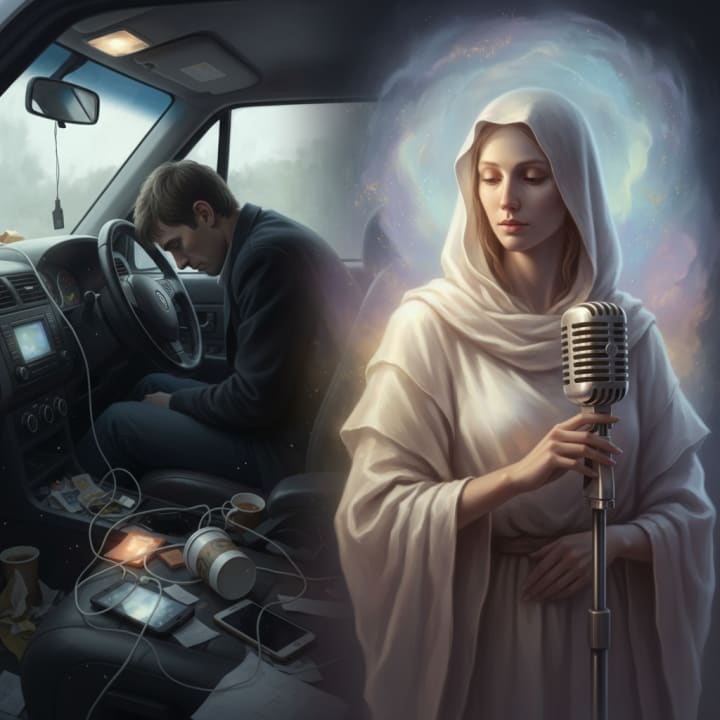
About the Creator
Vicki Lawana Trusselli
Welcome to My Portal
I am a storyteller. This is where memory meets mysticism, music, multi-media, video, paranormal, rebellion, art, and life.
I nursing, business, & journalism in college. I worked in the film & music industry in LA, CA.
Keep reading
More stories from Vicki Lawana Trusselli and writers in Fiction and other communities.
Dust, Rust, & the Sifting Sand Blues
Dust, Rust, & the Sifting Sand Blues "It’s not about losing; it’s about the sovereign act of starting again." This visual album is a 26-year "blues scheme" finally brought to life. I first built these dreams in a sandbox back in 2000, but it took two decades of sifting through the dust of the river and the rust of the city to truly hear the melody.
By Vicki Lawana Trusselli 10 days ago in Fiction
There's A Hole in My Bucket
It’s a well-known fact that Liza Dufresne was always the brains in the family. She was the one who always came up with the brilliant schemes the Dufresne kids carried out when they were younger. Like when they tricked Mrs. Claybourn into paying for a trip to Disney World. Liza convinced her that their parents had been kidnapped and were being held for ransom for the total price of three tickets. In reality, they were away on a weekend getaway for their anniversary. When they returned, Liza told the Claybourns that they did not like to talk about the ordeal. Their parents never found out how they got the money. Mrs. Claybourn never found out that the Dufresne parents were never really in any danger.
By David E. Perry5 days ago in Fiction


Comments
There are no comments for this story
Be the first to respond and start the conversation.