
Lewis Carroll's Masterpiece: An Exploration of Reality and Imagination
"A Journey Through Reality and Fantasy in Children's Literature"

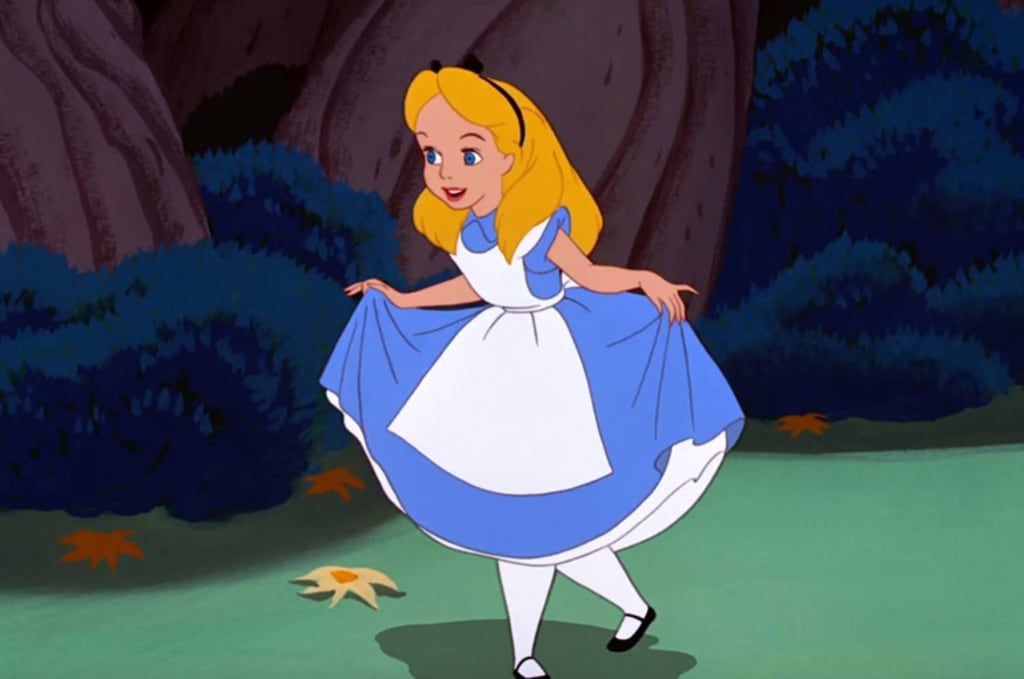
Alice's Adventures in Wonderland is a timeless classic that has captivated readers for generations. At its core, the story is a masterpiece of imagination, an exploration of the interplay between reality and fantasy. In this critical essay, we will delve deeper into Lewis Carroll's masterful blending of reality and fantasy to create a work that is both fantastical and thought-provoking.
Reality vs. Fantasy in Alice's Adventures
In order to fully appreciate the significance of the interplay between reality and fantasy in Alice's Adventures, it is important to first define both concepts. Reality can be defined as the state of things as they actually exist, while fantasy refers to imagined events or situations that are not real.
In Alice's Adventures, Lewis Carroll seamlessly blends reality and fantasy, creating a world that is both familiar and strange. This blurring of reality and fantasy is evident in many of the scenes and characters in the story. For example, the caterpillar's transformation from a caterpillar to a butterfly is a clear example of the blurring of reality and fantasy. Similarly, the Cheshire Cat's ability to disappear and reappear at will is another example of how Carroll challenges the reader's understanding of what is real.
The Queen of Hearts' tyrannical rule over Wonderland is also a prime example of how Carroll blends reality and fantasy to create a surreal and fantastical world. In this world, the lines between reality and fantasy are blurred, making it difficult for the reader to distinguish between what is real and what is not. This interplay between reality and fantasy creates a sense of uncertainty that keeps the reader engaged and interested in the story.
The Significance of Imagination in Alice's Adventures
Imagination is defined as the ability to create mental images or concepts of things that are not present in the real world. In Alice's Adventures, imagination plays a central role in shaping the narrative and enhancing the story's themes.
Alice's transformation from a small girl to a giant and then back to her normal size is a clear example of how imagination shapes the narrative. Similarly, the fantastical creatures she encounters such as the Cheshire Cat and the Mad Hatter, and the surreal landscapes she travels through, such as the rabbit hole and the tea party, are all examples of how imagination enhances the story's themes. By using imagination, Lewis Carroll creates a world that is both familiar and strange, which captivates the reader and draws them into the story.
The use of imagination in Alice's Adventures also allows Lewis Carroll to comment on the human condition in a unique and thought-provoking way. The fantastical elements of the story serve as a metaphor for the complexities of the human experience, making the story both entertaining and insightful.
The Human Condition in Alice's Adventures
Alice's Adventures in Wonderland explores several themes of the human condition, such as growing up and maturing, the struggle for identity, and the questioning of authority and societal norms. The blurring of reality and fantasy in the story enhances these themes, making them even more powerful.
For example, Alice's transformation from a small girl to a giant and then back to her normal size represents the process of growing up and maturing. The questioning of authority and societal norms is evident in the interactions between Alice and the various characters she meets in Wonderland.
The fantastical creatures and surreal landscapes in the story serve as a metaphor for the complexities of the human experience. The journey that Alice takes through Wonderland is a metaphor for the journey of life, complete with its ups and downs, twists and turns, and unexpected encounters. Through this metaphor, Lewis Carroll is able to comment on the human condition in a way that is both entertaining and thought-provoking.
Conclusion
In conclusion, Lewis Carroll's Alice's Adventures in Wonderland is a true masterpiece of imagination. The blurring of reality and fantasy creates a world that is both fantastical and thought-provoking, while the use of imagination enhances the story's themes and makes them even more powerful. The interplay between reality and fantasy, as well as the exploration of the human condition, make Alice's Adventures a timeless classic that will continue to captivate readers for generations to come.
About the Creator
Paul Andrew
I'm a storyteller & content writer with 2 years of experience. Crafting engaging articles & blog posts on a variety of topics. Let's explore the world through my words!
Keep reading
More stories from Paul Andrew and writers in Fiction and other communities.
"Rising Above It All: A Story of Conquering Amaxophobia"
I never thought I'd be the type of person to be afraid of heights. I was always adventurous, always up for a challenge. I loved the thrill of climbing to new heights and looking out over the world from above. But then, a few years ago, I found myself paralyzed with fear while standing on a tall building. My heart was racing, my palms were sweating, and I couldn't bring myself to look down.
By Paul Andrew3 years ago in Fiction
The First Rainbow Baby
Pitter-patter, pitter-patter. The rain fell in rhythmic splatters, slowly slowing, but still constant. Mira rolled onto her side pulling the blanket tight against her ears, but still she could hear chitter-chatter and scurrying feet of the creatures that refused to sleep in the lower decks.
By A. J. Schoenfeld2 days ago in Fiction
Beginner's Luck: Liminal
When the memorial to the fallen came to a close, Fluke came to the side of the Librarian and offered him support. The stubborn man waved the boy away, and they slowly walked back to their prisoner. Q had been left to watch over their captive, and they could see the large golem still looming over him with a constant vigilance. Breaking away from his mentor, who now shambled back towards the village, Fluke went to check on his automaton friend.
By Everett Scaifeabout 18 hours ago in Fiction



Comments
There are no comments for this story
Be the first to respond and start the conversation.