
Iran Air Flight 655 – Mistake or Crime?
One summer morning, a family’s journey turned into a sky of fire, and the truth still drifts between the clouds.

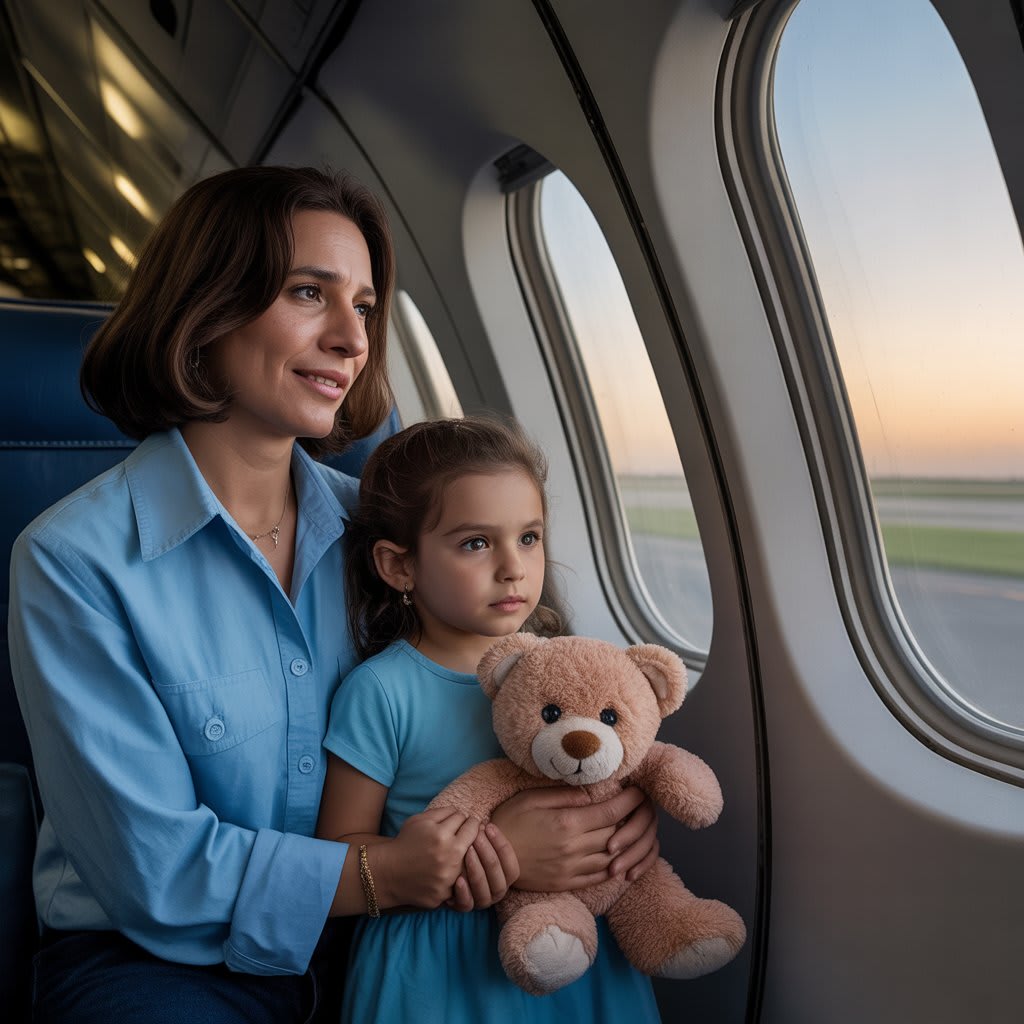
July 3, 1988 – Bandar Abbas, Iran
The sun had barely risen when Parisa, a 28-year-old schoolteacher, clasped her daughter’s small hand. Mina was only six, clutching her ragged teddy bear as they walked across the tarmac toward Iran Air Flight 655. The white Airbus gleamed in the summer heat, a promise of safety, of family waiting in Dubai.
Parisa’s husband, Omid, kissed them both goodbye. His passport was stuck in renewal, so he would follow later. “Call me as soon as you land,” he said, smiling, though worry flickered in his eyes.
Parisa waved one last time before climbing the steps. Mina pressed her face against the window, looking down at her father until the engines roared.
Inside the cockpit, Captain Mohsen Rezaian went through his final checks. The route was routine — a short hop over the Persian Gulf. But beyond the horizon, USS Vincennes, a U.S. Navy cruiser, was patrolling tense waters. Weeks of clashes in the region had turned the Gulf into a powder keg.
At 10:17 a.m., Flight 655 lifted into the blue.
Parisa relaxed as the seatbelt sign clicked off. Mina giggled, opening the little juice box the flight attendant handed her. Parisa thought about her sister’s wedding dress waiting in Dubai, the family reunion, the warm sea breeze.
Then, somewhere far below, in the air-conditioned combat information center of the USS Vincennes, a radar operator reported a “fast-approaching contact.”
The commander believed it was an Iranian F-14 fighter jet.
The screen showed a blip — climbing, not diving, but the crew decided it was hostile.
10:24 a.m.
The captain of the Vincennes ordered a warning.
They sent radio messages — on military channels.
Flight 655, a civilian plane, never heard them.
Back in the cabin, Mina pointed at the sea glittering below. “Mama, look! It’s like diamonds.”
Parisa smiled, brushing a strand of hair from her daughter’s forehead.
At that very moment, two SM-2 surface-to-air missiles streaked into the sky.
The first hit beneath the left wing.
The second tore through the fuselage.
The sound wasn’t a bang — it was a tearing, ripping roar. The cabin shuddered violently. Oxygen masks dropped. Heat surged.
Parisa grabbed Mina, shielding her as the world outside became fire and fragments.
For the passengers, there was no time for last words.
Only a blinding flash.
Only falling.
On the Vincennes, cheers were replaced with silence as the radar showed the blip disappear. The truth sank in quickly: the target had been a passenger airliner. All 290 people aboard were gone.
Men stared at the floor, at their hands, at the sea. Somewhere in the background, a printer still spat out meaningless data.
Hours later, fishermen from tiny Gulf villages found the wreckage. Baby shoes. Passports. Seat cushions. And, floating gently among the debris, Mina’s teddy bear — one eye missing.
Omid saw the news on a small TV in a Bandar Abbas café. The headline didn’t say Parisa’s name. It didn’t have to. His knees gave out. A stranger caught him before he hit the floor.
Days later,
They buried what little was recovered. Omid placed the teddy bear in Mina’s small grave. “You loved this more than anything,” he whispered. “Now it’s yours forever.”
But grief wasn’t the only thing in the air — questions swirled like smoke.
Why was the plane mistaken for a fighter jet?
Why were the warnings sent on the wrong frequency?
Why did the U.S. government never apologize directly, calling it a “regrettable incident” instead?
Why did the crew of the Vincennes receive medals for “meritorious service”?
For Parisa’s family, the answers never mattered as much as the absence. Mina’s school shoes sat by the door for months. Her drawings stayed taped to the fridge until the edges yellowed. Omid would sometimes wake up thinking he heard her voice, only to find the house silent.
Years passed.
The Gulf became busy again with trade and tankers. The wreckage of Flight 655 sank deeper into the sea’s silt. But in Bandar Abbas, every July 3rd, Omid walked to the shoreline with white lilies. He stood there until sunset, staring at the horizon, as if expecting the Airbus to appear again, descending gently toward home.
Some wounds never close.
Some truths never land.
And for the families of Flight 655, the sky is no longer a place of dreams — it’s a graveyard.
About the Creator
Afaq Mughal
Writing what the heart feels but the mouth can’t say. Stories that heal, hurt, and hold you.
Keep reading
More stories from Afaq Mughal and writers in Fiction and other communities.
Bomb Scare
It was 2027, and the world never thought it would happen. A missle hit the United States, but it wasn't where they had anticipated. A little town in the northeast was hit by a missile strike, they didn't know why, and they didn't know exactly where it hit, but they did know it was a coastal community, somewhere between Maine and Delaware.
By Gregory Payton6 days ago in Fiction
Chosen Ones
*From the writings of Brother Pavel, whilst serving his sentence of Solitude. Clergy eyes only. "When the sky turns wrong, and the ground quakes and splits, and Fate and Fortune feel their strength slip, seven there shall be who step forward. A Noble, with hair of gold. A Priest, with mission sacred. A Bard, with singing strings. An Archer, green eyes so keen. A Soldier, with painful past. A Thief, his family lost. And a Farmhand, born on a moonless night."
By Malcolm Roach5 days ago in Fiction
Hottest in the Office
Dear Rafi, You’re very distracting to work around. For the first second I saw you the other day, I thought you were some type of executive. It took a moment to realize no, you were just the new guy, dressed up for the job he wants. Be still, my heart.
By Gabriel Shamesa day ago in Pride



Comments
There are no comments for this story
Be the first to respond and start the conversation.