
How Virtual Reality Simulations Train Counselors to Treat Addiction
The Power of VR in Understanding and Treating Addiction
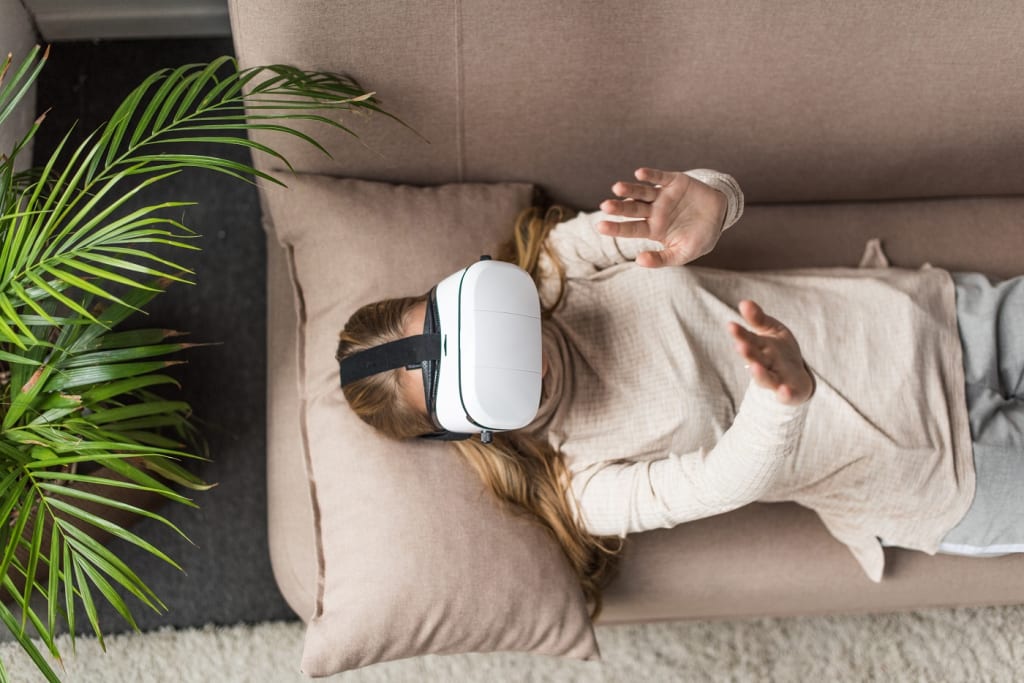
How Virtual Reality Simulations Train Counselors to Treat Addiction
The treatment of addiction requires specialized training, and as the field of mental health evolves, so does the technology used to train counselors. One of the most innovative tools being introduced is virtual reality (VR). This technology is revolutionizing the way addiction counselors are trained, offering immersive simulations that allow them to experience real-world scenarios and practice their therapeutic skills in a controlled environment. Virtual reality can be a game-changer, providing a new dimension to training programs and improving the overall effectiveness of addiction treatment.
Immersive Learning for Counselors
Training addiction counselors can be challenging because they often have to deal with complex cases that require understanding the psychological, emotional, and physical components of addiction. Virtual reality offers a unique advantage by simulating situations that may be difficult to recreate in real life. Through VR simulations, counselors can practice how to handle different scenarios, such as dealing with clients in various stages of addiction or responding to clients in crisis.
These immersive experiences help counselors build empathy and refine their skills in managing difficult situations. By allowing them to walk in the shoes of those affected by addiction, VR enables counselors to experience the stress, anxiety, and emotional struggles clients face. As a result, they are better prepared to offer compassionate and effective treatment.
Safe Environment for Skill Development
One of the most significant benefits of VR in addiction counseling training is that it provides a safe environment for skill development. Training in addiction counseling can often be emotionally taxing, as it requires confronting sensitive topics and difficult emotional scenarios. With VR, counselors can practice these skills without the pressure of real-life situations.
For example, they can simulate a session where they help a client deal with cravings, manage emotional triggers, or intervene during a relapse. By practicing these scenarios in a risk-free setting, counselors can gain confidence in their ability to handle similar situations in real practice. The safe environment of VR helps counselors feel more prepared when they face clients in the real world, improving their ability to provide effective, evidence-based treatment.
Enhanced Understanding of Addiction
Virtual reality simulations are designed to give counselors a deeper understanding of the behaviors, thoughts, and emotions associated with addiction. These simulations allow them to experience the world from the client’s perspective, giving them a better understanding of the triggers and challenges clients face in their daily lives.
For instance, a VR simulation might place a counselor in a scenario where they observe a client struggling with the urge to use substances in a stressful environment. This experience can teach counselors how to respond appropriately and help clients develop coping strategies. By providing these valuable insights, VR helps counselors gain a more comprehensive understanding of addiction, making them more effective in their work.
Bridging the Gap in Addiction Treatment
Access to quality addiction treatment varies by location, and some regions have limited resources for both clients and counselors. Virtual reality can help bridge this gap by providing counselors with access to training opportunities that may not be available in their local area.
For example, a counselor working in a remote location might not have access to advanced training programs. With VR simulations, they can engage in high-quality training regardless of their geographical location. This technology also enables training to be more accessible and affordable, as it eliminates the need for expensive in-person workshops or conferences.
Additionally, virtual reality can be used in addiction treatment centers, such as a psychiatric hospital in Pune, to supplement traditional therapeutic methods. VR simulations allow patients to engage in cognitive-behavioral therapy (CBT) or mindfulness exercises in a more interactive and immersive way. As a result, both counselors and clients can benefit from enhanced treatment experiences.
Improving Counselor-Client Relationships
Building trust and rapport is critical in addiction treatment, and virtual reality can play an essential role in helping counselors improve these relationships. By experiencing simulations where they interact with a virtual client, counselors can practice their communication skills and learn how to respond empathetically to clients.
Effective communication in addiction treatment is not just about providing the right advice—it’s about creating a safe and open space for clients to express themselves. VR training can help counselors improve their active listening skills, recognize non-verbal cues, and offer supportive feedback. These skills are crucial for building a therapeutic alliance with clients, which is one of the most important factors in successful addiction treatment.
The Role of Virtual Reality in Treatment Centers
Beyond counselor training, virtual reality has the potential to be incorporated into addiction treatment programs. In treatment centers, such as a psychiatric hospital in Pune, VR can be used as a tool to help patients confront their triggers and cravings in a controlled, supportive environment. VR simulations can place patients in realistic scenarios, allowing them to practice coping strategies before facing these challenges in real life.
For example, VR could simulate an environment where a patient is faced with a stressful social situation that typically triggers substance use. The patient can practice using coping mechanisms like mindfulness or cognitive reframing within the VR simulation, making it easier to implement these strategies in the real world. This application not only aids in treatment but also provides an additional layer of support for patients, helping them overcome addiction more effectively.
Future Prospects of VR in Addiction Counseling
As VR technology continues to evolve, its potential in addiction counseling will expand. Future advancements may include more realistic and dynamic simulations, allowing counselors to practice even more complex scenarios. Additionally, VR could become more integrated with other therapeutic tools, such as biofeedback and virtual support groups, to enhance the overall treatment experience.
The use of VR in addiction counseling is still in its early stages, but its ability to enhance counselor training, improve treatment outcomes, and provide accessible care makes it an exciting development in the field of addiction treatment.
Conclusion
Virtual reality is transforming addiction counseling by providing immersive, practical training experiences that help counselors develop the skills necessary to treat addiction effectively. Through VR simulations, counselors can better understand addiction, improve their communication skills, and learn to manage challenging situations in a risk-free environment.
As VR technology continues to advance, its integration into addiction treatment centers, like a psychiatric hospital in Pune, will provide clients with a more engaging and effective way to confront their addiction. By combining traditional methods with virtual reality, addiction counseling can become more accessible, empathetic, and impactful, ultimately improving treatment outcomes for those in need.
About the Creator
Keep reading
More stories from nitish2024 and writers in Fiction and other communities.
Finding My Voice Again After Addiction
Reclaiming My Identity Through Recovery Addiction not only takes away your physical health but also strips away your voice—your ability to express yourself authentically. During my time in addiction, I found it incredibly difficult to speak my truth. I was lost in a haze of self-doubt, fear, and shame. But through the process of recovery, I slowly began to find my voice again.
By nitish2024about a year ago in Journal
A Love Forboding
The chipped stone slope caused unbearable footing. I slid, skirting on my heels. I cast my shield, relinquishing my guard to stay upright. Left with my double-edge and a prayer to the maker, I skated toward my objective. The earthly stubble gave way to solid ground. I found myself restored, a trail of dust in my wake.
By James U. Rizzi4 days ago in Fiction
Spellslinger
The desert stretches its dry mouth out before me, dust filling my lungs as the light filters from the sky. I can see, just barely, the outlines of the next town on the horizon, and I lean forward and stroke Silas's mane. "Almost there, boy," I whisper, hoping the heat of the bodies I sense with the probing fingers of my magic isn't an illusion. This inhospitable land can do strange things to a person over time, and I've already been on the road for days.
By Raistlin Allen4 days ago in Fiction


Comments
There are no comments for this story
Be the first to respond and start the conversation.