
Heightened Alert: Pakistan Warns of Potential Indian Military Action Along the Line of Control
more information ........
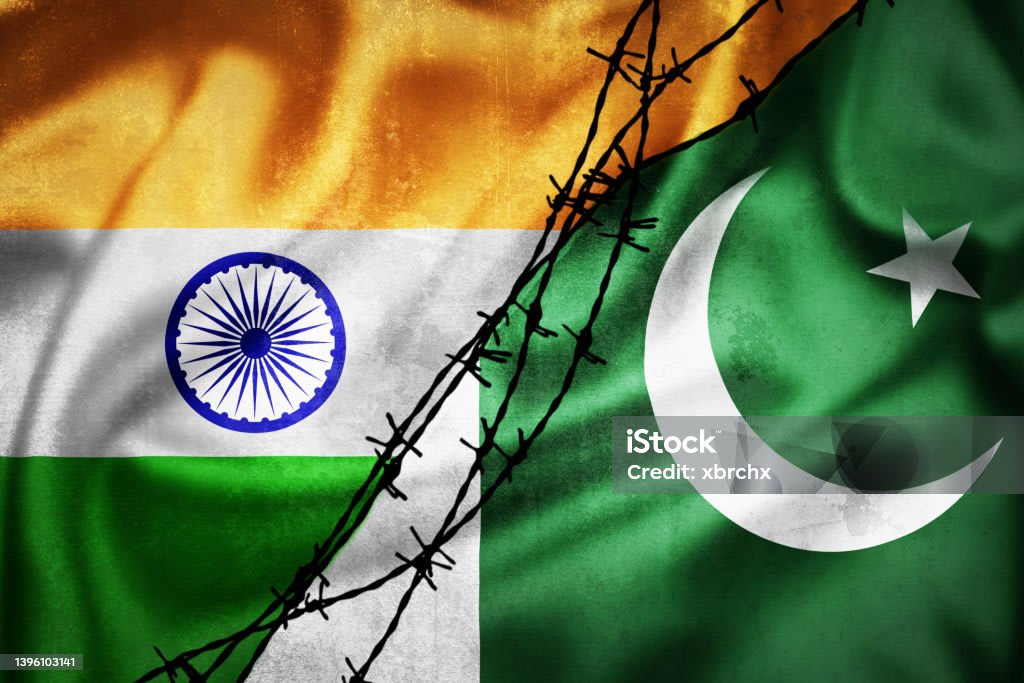
Islamabad has issued a stark warning, claiming that India could launch a military strike at any moment along the Line of Control (LoC) that divides the disputed region of Kashmir. This announcement comes in the wake of a recent deadly terror attack in Pahalgam, in Indian-administered Kashmir, that killed 26 people, mostly tourists, on April 22, 2025. This attack stoked tensions between the two nuclear-armed neighbors.
Pakistani Defence Minister Khawaja Muhammad Asif made the statement on Monday, echoing similar concerns voiced by the country's Information Minister last week. Asif stated that there were "reports that India may strike at any point along the LoC," and asserted that "New Delhi will be given a befitting reply." These warnings have amplified fears of a potential military confrontation in a region that has historically been a flashpoint between India and Pakistan.
India has taken a number of punitive measures as a result of the Pahalgam attack, including the suspension of the Indus Waters Treaty, the closure of the Attari border crossing, which is the only land route that is still in use between the two countries, and a lowering of diplomatic ties. Indian Prime Minister Narendra Modi has declared that India is committed to taking "firm and decisive" action against the perpetrators of the attack and their backers, granting the armed forces "complete operational freedom" to decide on the timing and nature of their response.
Pakistan has vehemently denied any involvement in the terrorist attack, and Defense Minister Asif has called for an international investigation to determine the truth of India's claims. He also claimed that Prime Minister Modi was escalating regional tensions for political gain and that India was involved in terrorism in Pakistan's Balochistan and Khyber Pakhtunkhwa provinces. Pakistan's Army Chief, General Syed Asim Munir, has reiterated the military's resolve to respond fully to protect the nation's "prestige and prosperity," which has heightened the state of alert. These strong statements from both sides underscore the precariousness of the current situation and the potential for miscalculation.
The international community has taken note of the escalating tensions. Members of the United Nations Security Council urged India and Pakistan to show restraint and de-escalate the situation during closed-door consultations on the subject. António Guterres, the UN Secretary General, has also voiced concern about the escalating tensions and offered the organization's assistance to facilitate dialogue and de-escalation. Japan and Russia, among others, have expressed solidarity with India in the fight against terrorism and expressed condolences for the Pahalgam attack. Pakistan, on the other hand, appears to be increasingly isolated diplomatically. The attack in Pahalgam has been strongly condemned by a number of traditional allies, and even China, which is frequently regarded as Pakistan's closest partner, has taken a cautious stance, urging both sides to be restrained and calling for an impartial investigation. The military capabilities of India and Pakistan are significant, with both nations possessing nuclear arsenals. India is ranked fourth globally in the Global Firepower ranking for 2025, while Pakistan is ranked 12th. India maintains a larger active military force and a considerably higher defense budget. However, the presence of nuclear weapons on both sides introduces a dangerous element of deterrence and the potential for catastrophic consequences in the event of a full-scale conflict. A chilling 2019 study had even eerily predicted a nuclear conflict between the two in 2025 following a major terror attack.
The possibility of military action along the Line of Control looms large, as the rhetoric emanating from Islamabad and New Delhi continues to be firm. The coming days and weeks will be crucial in determining whether diplomatic efforts can prevail and prevent a further escalation of this already volatile situation in South Asia. The international community continues to urge both nations to prioritize dialogue and peaceful resolution to prevent a conflict that could have devastating regional and global repercussions.
About the Creator
Keep reading
More stories from writers in Fiction and other communities.
Choose Your Own Adventure: St Helena Station
*****Preface***** I have been obsessed with Choose Your Own Adventure stories since I was a kid. I credit them with my love of reading and writing. I've been struggling to get my own kids to embrace words the same way I have but they love video games and our occasional Dungeon's and Dragon's game... which gave me an idea. I'll write an interactive story. So far its working; my middle son loves it and can't wait for the next section to come out.
By Sandor Szabo6 days ago in Fiction
Lately, I'm empty
Lately, I feel an emptiness inside of me that doesn’t make any sense. I was fine a week ago and now I’m numb to the pain that I’ve been carrying around. Numb to the idea of me existing. I wish I could go to a place where I can hear happy positive thoughts and surround myself with joy. The medication I’m on doesn’t seem to work anymore. I still feel pain from existing, why am I here anyways? Merely to exist. I don’t feel like I’m making any differences being here.
By Cerina Galvan7 days ago in Confessions



Comments
There are no comments for this story
Be the first to respond and start the conversation.