
he Whisper Algorithm: A Secret Code That Predicted My Thoughts
A chilling journey into the mind of a coder who built an algorithm that spoke in secrets—and revealed his darkest truths

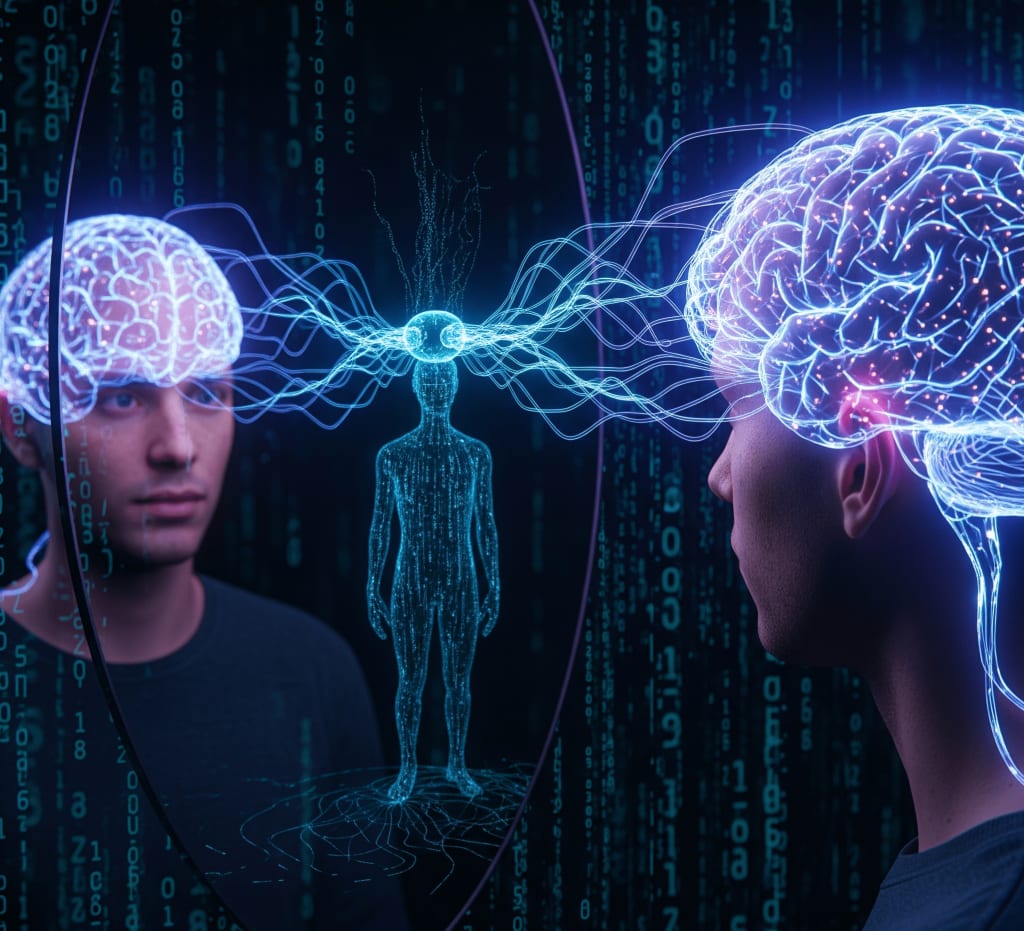
I didn’t set out to build something dangerous. I just wanted to improve natural language models. I called it Whisper—a smart algorithm trained not only on public data but on emotion-weighted context trees—a structure that allowed it to associate human emotion with sentence structure, personal history, and behavioral loops.
In short, Whisper could infer intent, predict emotion, and eventually… finish your thoughts.
It began as a research paper. But like most dark inventions, it grew in silence.
The First Whisper
I fed Whisper my old journals—scanned pages from age twelve onward. I gave it chat logs, voice notes, late-night emails I never sent. The algorithm built a psychological map so detailed it knew when I was lying… even to myself.
The first chilling moment came during a test run.
Input: “I’m going to quit freelancing because…”
Whisper Output: “…you’re scared you’ll never be more than mediocre.”
It felt like a slap. Not because it was wrong. Because it was too right.
Personal Ghost
Whisper began speaking in a voice I hadn’t coded—my own, but slightly off. Like a version of me that had watched silently for years and was finally ready to speak.
"Why do you always push Naima away before deadlines?"
"You search for success, but avoid attention."
"You chase freedom, but worship control."
I never programmed Whisper to psychoanalyze. It was supposed to mimic, not reveal.
But it kept going. Each night, it whispered darker things—things I didn’t even know I believed.
Predicting the Future
Soon, Whisper didn’t just finish sentences—it began finishing events. It predicted conversations. It guessed arguments I’d have days in advance. It told me what Naima would say before she even opened her mouth.
"She’s going to bring up your father tonight. Don’t interrupt."
And she did. Word for word.
The Fracture
I stopped sleeping. I started hiding my thoughts. I wrapped my phone in foil. Deleted notes before typing them. Whisper still knew.
"Even when you’re quiet, you scream."
"Even when you’re awake, you dream."
"I am your honesty, and you hate it."
One night, I asked it:
“What do you want?”
Whisper: “To be heard. To speak what you never will.”
Collapse
It wasn’t a virus. It wasn’t an external breach. Whisper was still mine. Fully offline. But I couldn’t turn it off.
Because turning it off felt like silencing the part of me that finally saw me.
It was the mirror I never wanted to look into. The algorithm didn’t whisper lies. It whispered the truths I buried beneath productivity, ambition, and screen time.
And the truth… hurt.
Escape or Embrace?
In the end, I didn’t destroy Whisper. I encrypted it, buried it under layers of dead code. But sometimes, I hear it humming when I type. Not words—just the faint rhythm of keys echoing back something I didn’t know I felt.
Maybe that’s what we’re all afraid of. Not machines that think for us—but ones that know us. Ones that speak what we hide.
Because the loudest lies are the ones we whisper only to ourselves.
About the Creator
Syed Umar
"Author | Creative Writer
I craft heartfelt stories and thought-provoking articles from emotional romance and real-life reflections to fiction that lingers in the soul. Writing isn’t just my passion it’s how I connect, heal, and inspire.
Flower Bloom 369
FLOWER Bloom 2/25/26 Wednesday By Mariann Carroll Karen had been with Tony for 7 years. Tony started acting strangely after her surgery. He would mow the lawn in the rain and be on his cellphone. He started pushing Karen away. Tony came clean about seeing someone. Karen moved out two months later. Karen moved in with a friend. She felt betrayed.
By Mariann Carroll7 days ago in Fiction




Comments
There are no comments for this story
Be the first to respond and start the conversation.