
Forbidden Coordinates: In Zurich, I Fell in Love with My Own DNA
Behind the adoption records from after World War II lies a map that we kiss upside down

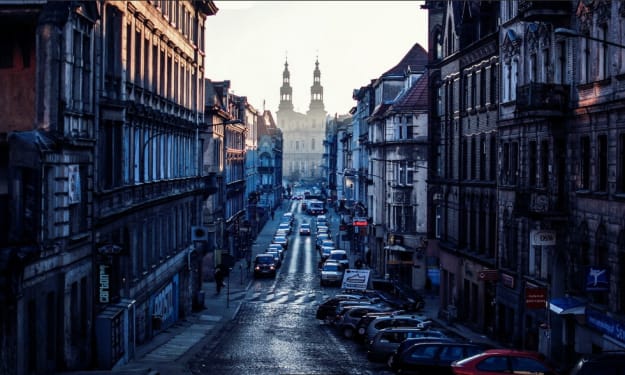
In the autumn of 1946 in Zurich, fallen leaves piled up like unpaid war debts along the Limmat River. Irene Hartmann sat at the window seat of a café, checking her watch for the third time - there were still seven minutes until the appointed time of three o'clock in the afternoon. She came to meet an unacquainted cousin to inherit a box of letters left by her aunt.
"Sorry, the map is upside down." The voice came from above.
Thomas Hartmann stood by the table, clutching a crumpled map of Zurich in his hand. The inverted blue river flowed between his fingers. The sunlight shone directly on the faint scar on his left eyebrow - it was the feature of a stranger that she repeatedly saw in her dreams.
"I often make this mistake too," she said, her voice softer than expected.
The wrong encounter began at the right place and the wrong time. They were supposed to meet in New York two weeks ago, but her train ticket was delayed and his train was late. Fate combined two misplaced timetables to create a more misplaced encounter.
"Thomas Hartman." He extended his hand.
"Erin Hartman." She held onto it, feeling a jolt like an electric shock.
They both laughed at the same time. "Remote relatives?" he guessed.
"I'm afraid so." She was lying. In fact, she didn't know any relative named Thomas at all.
The wrong start required more mistakes to sustain it. They went together to their aunt's warehouse and found that the boxes had already been emptied. The administrator shrugged: "After the war ended, many people came to claim things that didn't belong to them."
"It seems that we've all been wasting our time," said Thomas, his eyes fixed on hers.
For the next three days, Zurich became their playground for lies. She claimed to be a teacher from California while he pretended to be a lawyer from Boston. They talked about their wartime experiences - she worked as a clerk in the Red Cross while he was an interpreter on the Pacific battlefield. They tacitly avoided talking about their families, as if it were a no-go zone.
On the fourth day, at the Rhine Falls, the sound of the water was so loud that it resembled unexploded bombs. Suddenly, he said, "I have a strange feeling that I seem to have known you a long time ago."
"Delusion, I guess." As she turned around, the scarf was blown into the rapids by the wind. The force with which he grasped her wrist was far beyond what was necessary.
That kiss took place in the hotel stairwell in the evening. Darkness was like a third person present, witnessing how this mistake began to multiply on its own. His lips had the smell of tobacco and regret, while her tears had the taste of salt and foreboding.
"That's not right," she said, pressing her shoulder against his.
"What's wrong?"
"Everything." But she didn't push him away.
They stayed in Zurich for an extra week. During this week, the world shrank down to the size of a double bed. In the intervals between their lovemaking, they made up stories about their childhood: he talked about an apple tree in the backyard, and she described the cherry pie her mother made. The more specific the lies were, the more they resembled the truth.
It was on that day at the flea market that he came across a German Bible. On the front cover was a faded inscription: "For my twins, Erin and Thomas, may God guide you on the path of separation. - Mother, Christmas 1932."
Time stood still. The vendor was an old man with one eye, chuckling: "There were many families separated during the war. This book is a bargain for you."
None of them touched the book, as if avoiding a corpse. But on the bus back to the hotel, Thomas suddenly said, "I did have a sister. I sent her away in 1933. They said she died of pneumonia."
"My mother said that my twin brother was born on a ship and didn't survive the first night." Erin stared at her trembling hands.
Silence grew like ice in the carriage. After getting off, they went to the municipal archives. The staff member was an elderly woman wearing glasses. After hearing the request, she sighed, "Another story of a family seeking reunion after the war."
The paper is yellowed, but the handwriting is clear.
Birth Registration No. 4732, November 7, 1932
Hartman couple: Twins, baby boy Thomas, baby girl Erin.
Note: Due to the economic crisis, they were unable to raise the children. The baby girl was arranged for adoption by the church to the United States. The baby boy was informed that his sister had died.
The supplementary page contains an update from 1940: "The adoptive family of the baby girl changed their surname to Miller and moved to California."
Irene's original name was Irene Miller. A month ago, she decided to revert to her birth mother's surname, Hartman - in order to "start anew". Thomas never changed his surname, but his mother passed away when he was five years old, and his father never mentioned having a daughter.
They sat on the stone steps of the archive, and the autumn rain began to fall.
"So we are..."
"Don't say that word." She covered her ears.
"Siblings."
The words landed, like bullets hitting flesh.
For the next three days, they stayed in rooms at opposite ends of the hotel, like mourners standing guard over a common corpse. But every night at dawn, one side would ring the doorbell of the other. There was no conversation, only the entanglement in the darkness - as if the body could override blood ties, and desire could burn away certificates.
"We will go to hell," she said, crying after an orgasm.
"The hell is already full," he wiped away her tears and said, "We have to wait in line."
The ticket for the ship back to the United States was booked on the same day. Before boarding the ship, she bought a postcard at a small shop on the dock and wrote: "To the strangers I met and lost in Zurich: When the map is upside down, does the river also flow backward?"
She didn't send it out. She threw the postcard into the sea. He watched her do all this, and then said, "I'm in Boston. You're in California. It's far enough."
"Not far enough," she said. "We were planted together in the same body."
The voyage lasted for seven days. They pretended to be strangers. But on the second night during the storm, when the ship tilted, he grabbed her who was about to fall in the corridor. Physical memory is stronger than morality.
"If we never communicate again after getting off the boat..." he began.
"And then these seven days would be the entire duration." She finished.
They kissed in the darkness, the taste salty like seawater, the desperation like drowning. A crew member passed by, and the flashlight beam swept over their close faces. After the light left, Thomas said, "He saw it." "Let him see it."
When the New York Harbor emerged in the morning mist, they made their final decision: no goodbye, no turning back, no promise. He headed north, she headed west. On the platform, he said lastly, "Perhaps in the next life - "
"Don't have another life," she interrupted, "This life is already too long."
On the train bound for California, Erin discovered she was pregnant. Morning sickness came on exactly as scheduled, like another irreversible mistake. She got off at Salt Lake City and went to a clinic. In the waiting room, she saw an advertisement for a wedding in Boston - Thomas Hartman and some young lady.
She left the clinic and no surgery was performed. The child was born in the autumn of 1947 and was a boy. She named him Lucas, her mother's surname. The father's name was left blank on the birth certificate.
When Lucas was three years old, he asked, "Where's Dad?"
"He's lost," she said, remembering the upside-down map.
In 1950, she read in the newspaper that Thomas had been elected as a state representative. In the photo, he was standing beside an elegant wife and their two children. The scar on his left eyebrow was removed by the photo editor, as if erasing a part of history.
She began to tell Lucas a bedtime story: A pair of twins were separated by war. Later, they recognized each other by a mole on their faces. The child always asked, "And then?"
"Then they lived happily together," she always ended the story like this.
Lies also have their element of truth. She did recognize him precisely by that scar, although it wasn't a mole.
On the day of Kennedy's assassination in 1963, Lucas brought home a girl. The girl smiled shyly, with a faint scar on her left eyebrow - from a fall while riding a bike. Erin accidentally broke the teacup.
"Mom, this is Jenny," Lucas said.
"Nice to meet you, Mrs. Hartman," the girl extended her hand.
Irene held the hand and recalled the afternoon at the Zurich Café. "Just call me Irene," she said. "The scar... does it hurt?"
"It doesn't hurt anymore. Uncle Thomas said it makes me look special."
The world shrank down to the size of a pinhead at that moment. "Uncle Thomas?"
"It's my father's brother," said Jenny. "He's in Boston. Do you know him?"
Irene looked out of the window. The November sky was like an old shroud. "A long time ago, after another war ended."
She didn't say any more. But that night, she wrote a letter, with only one line: "Our son is going to marry your niece. The river has finally turned back."
The letter wasn't sent. She burned it in the backyard, and the ashes drifted towards the never-frosting sky of California. Amid the flames, she saw herself at the age of thirty-seven - that young woman in the Zurich hotel, who thought that love could overcome blood ties.
Now she understands: Love has never overcome anything. Love simply exists there, like shrapnel buried in flesh, if not removed it will cause infection, and if removed it will leave a deeper hole.
Lucas's wedding was in spring. She sat at the last row of the guest area, watching the newlyweds exchange their vows. When the priest said "Until death do us part", she felt a gaze fall on her back.
She didn't need to turn around to know who it was. That gaze, she had felt it in the morning light of Zurich, had recognized it during the storms across the Atlantic, and had imagined it in countless nights when she couldn't sleep.
After the wedding, she met him in the parking lot. Thirty-seven years had passed, and his hair was gray, but his eyes remained the same - still that man holding the upside-down map.
"So we are..."
"Don't say that word." She covered her ears.
"Siblings."
The word landed, like a bullet hitting flesh.
For the next three days, they stayed in rooms at opposite ends of the hotel, like mourners standing guard over a common corpse. But every night at dawn, one side would ring the doorbell of the other. There was no conversation, only the entanglement in the darkness - as if the body could override blood ties, and desire could burn away certificates.
"We will go to hell," she said, crying after an orgasm.
"The hell is already full," he wiped away her tears and said, "We have to wait in line."
The ticket for the ship back to the United States was booked on the same day. Before boarding the ship, she bought a postcard at a small shop on the dock and wrote: "To the strangers I met and lost in Zurich: When the map is upside down, does the river also flow backward?"
She didn't send it out. She threw the postcard into the sea. He watched her do all this, and then said, "I'm in Boston. You're in California. It's far enough."
"Not far enough," she said. "We were planted together in the same body."
The voyage lasted for seven days. They pretended to be strangers. But on the second night during the storm, when the ship tilted, he grabbed her who was about to fall in the corridor. Physical memory is stronger than morality.
"If we never communicate again after getting off the boat..." he began.
"And then these seven days would be the entire duration." She finished.
They kissed in the darkness, the taste salty like seawater, the desperation like drowning. A crew member passed by, and the flashlight beam swept over their close faces. After the light left, Thomas said, "He saw it." "Let him see it."
When the New York Harbor emerged in the morning mist, they made their final decision: no goodbye, no turning back, no promise. He headed north, she headed west. On the platform, he said lastly, "Perhaps in the next life - "
"Don't have another life," she interrupted, "This life is already too long."
On the train bound for California, Erin discovered she was pregnant. Morning sickness came on exactly as scheduled, like another irreversible mistake. She got off at Salt Lake City and went to a clinic. In the waiting room, she saw an advertisement for a wedding in Boston - Thomas Hartman and some young lady.
She left the clinic and no surgery was performed. The child was born in the autumn of 1947 and was a boy. She named him Lucas, her mother's surname. The father's name was left blank on the birth certificate.
When Lucas was three years old, he asked, "Where's Dad?"
"He's lost," she said, remembering the upside-down map.
In 1950, she read in the newspaper that Thomas had been elected as a state representative. In the photo, he was standing beside an elegant wife and their two children. The scar on his left eyebrow was removed by the photo editor, as if erasing a part of history.
She began to tell Lucas a bedtime story: A pair of twins were separated by war. Later, they recognized each other by a mole on their faces. The child always asked, "And then?"
"Then they lived happily together," she always ended the story like this.
Lies also have their element of truth. She did recognize him precisely by that scar, although it wasn't a mole.
On the day of Kennedy's assassination in 1963, Lucas brought home a girl. The girl smiled shyly, with a faint scar on her left eyebrow - from a fall while riding a bike. Erin accidentally broke the teacup.
"Mom, this is Jenny," Lucas said.
"Nice to meet you, Mrs. Hartman," the girl extended her hand.
Irene held the hand and recalled the afternoon at the Zurich Café. "Just call me Irene," she said. "The scar... does it hurt?"
"It doesn't hurt anymore. Uncle Thomas said it makes me look special."
The world shrank down to the size of a pinhead at that moment. "Uncle Thomas?"
"It's my father's brother," said Jenny. "He's in Boston. Do you know him?"
Irene looked out of the window. The sky in November was like an old shroud. "A long time ago, after another war ended."
She didn't say any more. But that night, she wrote a letter, with only one line: "Our son is going to marry your niece. The river has finally turned back."
The letter wasn't sent. She burned it in the backyard, and the ashes drifted towards the never-frosting sky of California. Amid the flames, she saw herself at the age of thirty-seven - that young woman in the Zurich hotel, who thought that love could overcome blood ties.
Now she understands: Love has never overcome anything. Love simply exists there, like shrapnel buried in flesh, if not removed it will cause infection, and if removed it will leave a deeper hole.
Lucas's wedding was in spring. She sat at the last row of the guest area, watching the newlyweds exchange their vows. When the priest said "Until death do us part", she felt a gaze fall on her back.
She didn't need to turn around to know who it was. That gaze, she had felt it in the morning light of Zurich, had recognized it during the storms across the Atlantic, and had imagined it in countless nights when she couldn't sleep.
After the wedding, she met him in the parking lot. Thirty-seven years had passed, and his hair was gray, but his eyes remained the same - still that man holding the upside-down map.
"Erin."
"Thomas."
The names were like the inscriptions on a tombstone.
"So we are..."
"Don't say that word." She covered her ears.
"Siblings."
The words landed, like bullets hitting flesh.
For the next three days, they stayed in rooms at opposite ends of the hotel, like mourners standing guard over a common corpse. But every night at dawn, one side would ring the doorbell of the other. There was no conversation, only the entanglement in the darkness - as if the body could override blood ties, and desire could burn away certificates.
"We will go to hell," she said, crying after an orgasm.
"The hell is already full," he wiped away her tears and said, "We have to wait in line."
The ticket for the ship back to the United States was booked on the same day. Before boarding the ship, she bought a postcard at a small shop on the dock and wrote: "To the strangers I met and lost in Zurich: When the map is upside down, does the river also flow backward?"
She didn't send it out. She threw the postcard into the sea. He watched her do all this, and then said, "I'm in Boston. You're in California. It's far enough."
"Not far enough," she said. "We were planted together in the same body."
The voyage lasted for seven days. They pretended to be strangers. But on the second night during the storm, when the ship tilted, he grabbed her who was about to fall in the corridor. Physical memory is stronger than morality.
"If we never communicate again after getting off the boat..." he began.
"And then these seven days would be the entire duration." She finished.
They kissed in the darkness, the taste salty like seawater, the desperation like drowning. A crew member passed by, and the flashlight beam swept over their close faces. After the light left, Thomas said, "He saw it." "Let him see it."
When the New York Harbor emerged in the morning mist, they made their final decision: no goodbye, no turning back, no promise. He headed north, she headed west. On the platform, he said lastly, "Perhaps in the next life - "
"Don't have another life," she interrupted, "This life is already too long."
On the train bound for California, Erin discovered she was pregnant. Morning sickness came on exactly as scheduled, like another irreversible mistake. She got off at Salt Lake City and went to a clinic. In the waiting room, she saw an advertisement for a wedding in Boston - Thomas Hartman and some young lady.
She left the clinic and no surgery was performed. The child was born in the autumn of 1947 and was a boy. She named him Lucas, her mother's surname. The father's name was left blank on the birth certificate.
When Lucas was three years old, he asked, "Where's Dad?"
"He's lost," she said, remembering the upside-down map.
In 1950, she read in the newspaper that Thomas had been elected as a state representative. In the photo, he was standing beside an elegant wife and their two children. The scar on his left eyebrow was removed by the photo editor, as if erasing a part of history.
She began to tell Lucas a bedtime story: A pair of twins were separated by war. Later, they recognized each other by a mole on their faces. The child always asked, "And then?"
"Then they lived happily together," she always ended the story like this.
Lies also have their element of truth. She did recognize him precisely by that scar, although it wasn't a mole.
On the day of Kennedy's assassination in 1963, Lucas brought home a girl. The girl smiled shyly, with a faint scar on her left eyebrow - from a fall while riding a bike. Erin accidentally broke the teacup.
"Mom, this is Jenny," Lucas said.
"Nice to meet you, Mrs. Hartman," the girl extended her hand.
Irene held the hand and recalled the afternoon at the Zurich Café. "Just call me Irene," she said. "The scar... does it hurt?"
"It doesn't hurt anymore. Uncle Thomas said it makes me look special."
The world shrank down to the size of a pinhead at that moment. "Uncle Thomas?"
"It's my father's brother," said Jenny. "He's in Boston. Do you know him?"
Irene looked out of the window. The sky in November was like an old shroud. "A long time ago, after another war ended."
She didn't say any more. But that night, she wrote a letter, with only one line: "Our son is going to marry your niece. The river has finally turned back."
The letter wasn't sent. She burned it in the backyard, and the ashes drifted towards the never-frosting sky of California. Amid the flames, she saw herself at the age of thirty-seven - that young woman in the Zurich hotel, who thought that love could overcome blood ties.
Now she understands: Love has never overcome anything. Love simply exists there, like shrapnel buried in flesh, if not removed it will cause infection, and if removed it will leave a deeper hole.
Lucas's wedding was in spring. She sat at the last row of the guest area, watching the newlyweds exchange their vows. When the priest said "Until death do us part", she felt a gaze fall on her back.
She didn't need to turn around to know who it was. That gaze, she had felt it in the morning light of Zurich, had recognized it during the storms across the Atlantic, and had imagined it in countless nights when she couldn't sleep.
After the wedding, she met him in the parking lot. Thirty-seven years had passed, and his hair was gray, but his eyes remained the same - still that man holding the upside-down map.
"Erin."
"Thomas."
The names are like the inscriptions on a tombstone.
"Our son - "
" - doesn't know." She said quickly, "Never let him know."
"Jenny is a good girl."
"Better than both of us."
The silence stretched on like a prayer. Finally, he said, "My wife passed away three years ago. Cancer."
"I'm sorry."
"No need. That marriage... was a respectable tomb."
It's time for her to go. Her hand is already on the car door. But he said one last thing: "That kid, Lucas. He smiles like you."
"He frowns like you." She opened the car door.
In the rearview mirror, he gradually became smaller and smaller in the dusk, until he turned into a dot and then vanished. It was as if he had never existed at all.
As the car pulled onto the highway, the radio was playing the old song "I'll Always Love You". Erin turned it off and rolled down the window. The spring breeze rushed in, carrying the scent of orange blossoms and regret.
Suddenly, she recalled the box of letters from her aunt that had never been found. Maybe those letters never existed at all. Or perhaps aunt knew that such a meeting would occur, so she emptied the box in advance - some truths should not be passed down.
When the darkness fully fell, she glanced at the passenger seat. It was empty, but she felt someone was there, holding an upside-down map and asking questions that couldn't be answered.
She continued driving forward. Ahead was a house, a son, and a normal life that must be maintained. Behind was Zurich, the Limmat River, and a parallel universe where all rivers flow backward and all mistakes are allowed.
And she was driving along the narrow embankment between these two - a woman who had spent her entire life learning to love her own shadow while also parting ways with her biological family.
In the light of the car headlights, the road stretches endlessly, like an unbreakable paper strip that cannot be folded in half. This makes the two points destined to meet always running, pursuing and missing each other on the two sides of the Möbius loop.
But tonight, let them share this silent, unclean, never-dawning darkness at the twist of the circle.
About the Creator
The Space Between Us
The first thing I noticed about the building was the silence. It stood in the middle of a crowded city block, surrounded by traffic, noise, and movement, yet inside its walls, people lived as strangers. Doors closed quickly. Eyes avoided contact. Everyone carried their own lives like heavy luggage, careful not to bump into anyone else.
By Asghar ali awan6 days ago in Fiction


Comments
There are no comments for this story
Be the first to respond and start the conversation.