
Exploring Classic Elements of Horror Mansions in Literature and Film
The Haunted Mansion


The Haunted Mansion: Exploring Classic Elements of Horror Mansions in Literature and Film
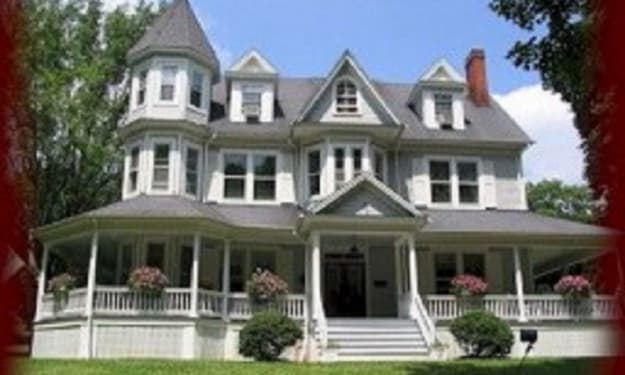
The haunted mansion is one of the most enduring symbols in the horror genre, both in literature and film. These foreboding structures are often filled with dark secrets, restless spirits, and a palpable sense of dread. From the creaking of old wooden floors to the chilling whispers in the shadows, the haunted mansion represents an uncanny blend of fear, mystery, and the supernatural. But what makes these eerie residences so universally terrifying? Let’s explore the classic elements that define the horror mansion in both classic literature and contemporary films.
One of the most iconic elements of the haunted mansion is its isolation. These mansions are rarely situated in the heart of a bustling city but are often found in remote, desolate areas, far from civilization. This physical separation from society heightens the sense of vulnerability. Characters trapped in such a mansion are cut off from help, making them more susceptible to the terrifying forces within. The isolation fosters a sense of confinement, where escape seems impossible, creating an atmosphere of escalating tension and fear.
The architecture of the mansion itself plays a central role in its role as a character in horror. With their towering, decaying structures, hidden passageways, and labyrinthine hallways, these mansions are often as confounding and unpredictable as the supernatural forces that haunt them. A perfect example of this is Shirley Jackson’s The Haunting of Hill House, where the mansion's design seems intentionally designed to unsettle its inhabitants. The twisted corridors and ever-changing layout of Hill House amplify the sense of disorientation, both for the characters and the audience. Similarly, in films like The Shining, the Overlook Hotel's vast, empty spaces and unnerving decor create a sense of foreboding, making the mansion feel like an oppressive, malevolent presence.
Ghosts and spirits often haunt these mansions, tied to tragic pasts or unfinished business. The idea that the mansion itself holds a dark history, whether it’s a bloody past or an unresolved curse, is a classic feature in many horror narratives. In The Woman in Black, the mansion's tragic past is directly linked to the restless spirit of a vengeful woman, whose ghost seeks to exact revenge on the living. The mansion becomes more than just a setting; it embodies the haunting presence that lingers, reminding the characters—and the audience—of its dark history.
Ultimately, the haunted mansion serves as a vessel for exploring fear, loss, and the unknown. Through its isolation, eerie architecture, and connection to dark histories, it remains an effective tool for creating an atmosphere of terror. The haunted mansion is more than just a place; it is a living, breathing entity, as much a part of the horror as the spirits that inhabit it. Whether in the pages of a gothic novel or on the silver screen, these mansions continue to haunt our imaginations, offering a timeless setting for horror that plays on our deepest fears.
About the Creator
Keep reading
More stories from Mirza Mirza and writers in Fiction and other communities.
Terrifying Island Destinations
Islands often evoke images of paradise—pristine beaches, swaying palm trees, and sparkling blue waters. Yet, some islands hold secrets so dark and terrifying that they draw adventurers and paranormal enthusiasts alike, not for relaxation but for fear, fascination, and curiosity. These terrifying island destinations are steeped in haunting histories of tragedy, isolation, and mystery. Below are some of the most infamous islands that blend beauty with a deep sense of dread.
By Mirza Mirzaabout a year ago in Fiction
TUS NUA - ch 49
TUS NUA – ch 49 New Beginnings – Mia and Midnight (*)(*)(*) As Mia spoke on the phone to Ali’s sister, Ellen, Finola slipped quietly away and walked to the stream behind Tus Nua. Carefully, she put a block on her family so no one could know what she was about to do.
By Margaret Brennana day ago in Fiction
Whiskey At Dusk
Guess the whiskey was more important to you in the end, wasn’t it? It was more than the well-being of your friends; more vital than showing up to the places you promised you would and could come to; more critical of a matter than fulfilling your damn responsibilities and getting the press off your back.
By Snarky Lisa2 days ago in Humans



Comments
There are no comments for this story
Be the first to respond and start the conversation.