
Exploring Botswana's Keystone Species: The Elephant and its Ecological Significance
Unraveling the Enigma of Elephant Deaths: An Ecological Investigation in Botswana

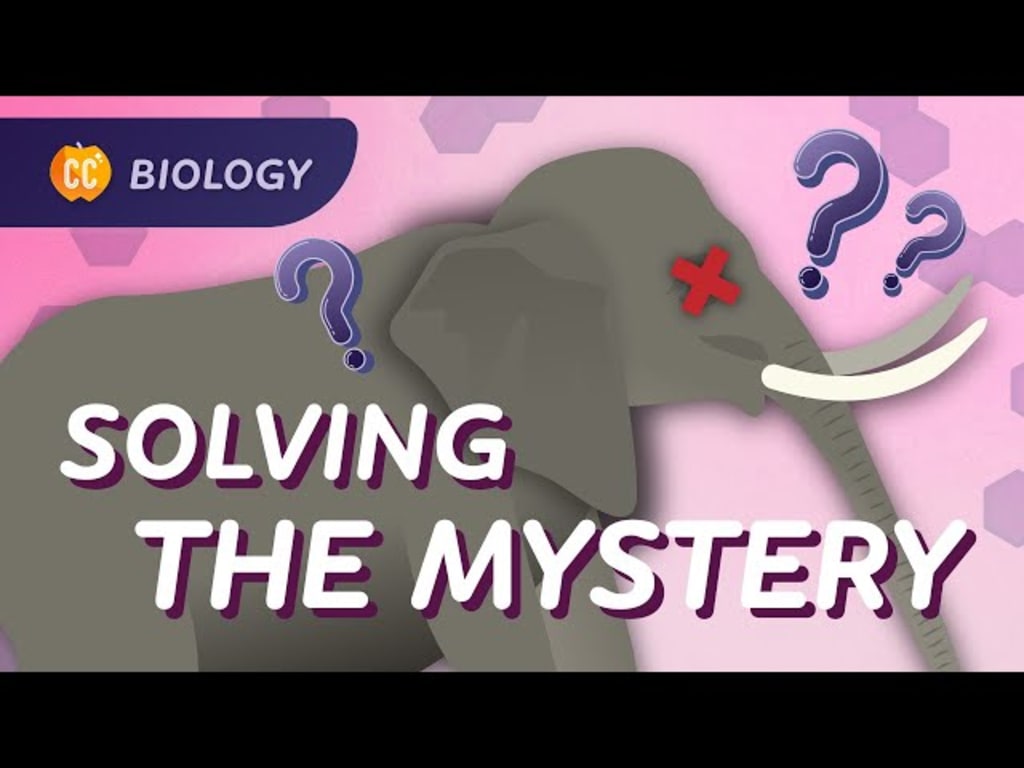
Introduction: Welcome to our ecological journey through Botswana, Africa, a land rich with natural wonders and home to the world's largest elephant population, boasting over 130,000 majestic creatures. In this blog, we will delve into the fascinating world of elephants, exploring their vital role as keystone species and their significance in the lives of numerous other creatures. Recently, the region experienced a concerning event - the sudden and mysterious deaths of hundreds of elephants in 2020 and 2021. As ecological detectives, we will investigate this enigma, using the principles of ecology to shed light on the causes behind this tragic event.
What is Ecology? Ecology is the scientific study of how living organisms interact with each other and their environment. This intricate web of connections links every living being to their surroundings, making it crucial to understand the dynamics of the ecosystem. The environment comprises both biotic factors (living organisms) and abiotic factors (non-living elements), such as climate and water. Through ecological research, we gain insights into the delicate balance that sustains life on our planet.
The Biosphere and Ecosystems: The biosphere encompasses the entire planet, from the depths of the oceans to the heights of the atmosphere, where life exists. Within the biosphere, we find various ecosystems, which consist of all living organisms and their interactions within a specific area. These ecosystems play host to numerous biogeochemical cycles, ensuring the circulation of essential elements like carbon and phosphorus. Each ecosystem is a complex web of interdependencies that shape the biodiversity and functioning of the natural world.
The Keystone Species - Elephants: Elephants are the life of the party in Botswana, not because of their dance moves, but due to their role as a keystone species. As primary consumers, they feed on plants, shaping the landscape through their behaviors, such as knocking down trees. Surprisingly, this seemingly destructive activity aids smaller plants in thriving, sustaining a diverse ecosystem. Elephants' feeding habits create clearings in dense vegetation, providing opportunities for sunlight to reach the forest floor, which allows smaller plants to grow and flourish. Additionally, these clearings become crucial watering holes for other animals during dry periods. Furthermore, elephants disperse seeds through their dung, promoting the growth of various plant species across different areas. This process, known as seed dispersal, is essential for maintaining healthy ecosystems and biodiversity.
The Mystery Unraveled: In 2020 and 2021, Botswana faced a crisis when hundreds of elephants died suddenly. Initially, poaching was a suspicion, but autopsies revealed intact tusks, ruling out poachers. The water around the elephants' bodies was tested, uncovering high levels of cyanobacteria, capable of producing neurotoxins. The conclusion was that these toxins poisoned the elephants, causing their untimely demise. Cyanobacteria, also known as blue-green algae, thrive in nutrient-rich waters, often experiencing blooms that produce harmful toxins. These toxins can cause severe health issues and death in animals that ingest or come into contact with the contaminated water. The elephant deaths were a grim reminder of how human activities, such as pollution and climate change, can exacerbate harmful algal blooms and negatively impact keystone species.
Exploring Ecology's Perspectives: Ecologists study interactions between living organisms and their environment at different scales, ranging from landscape ecology (multiple interconnected ecosystems) to population ecology (focusing on a single species). By using ecological pyramids and biomass pyramids, we can visualize energy flow and mass distribution within ecosystems. These tools help us understand the trophic levels and the flow of energy through food chains, providing insights into the intricate connections among species.
Ecosystem Services: Ecosystems offer invaluable services that directly benefit humans, such as food production, water purification, and climate regulation. Understanding these interconnections helps us address global issues like climate change and guide conservation efforts to protect our delicate biosphere. By recognizing the significance of keystone species like elephants and their role in maintaining ecosystem balance, we can make informed decisions to safeguard the environment for future generations.
Conclusion: The study of ecology enriches our understanding of the intricate web of life and our profound connection to the environment. In Botswana, elephants play a crucial role as keystone species, sustaining a diverse ecosystem that supports countless other species. While tragic, the recent elephant deaths serve as a poignant reminder of the delicate balance within nature and the importance of preserving and protecting our biosphere for generations to come. By promoting conservation efforts, supporting sustainable practices, and increasing public awareness, we can ensure that these majestic creatures continue to thrive in their natural habitat and contribute to the ecological richness of Botswana and beyond. Let us unite in our commitment to safeguarding the wonders of our planet and securing a harmonious coexistence with the natural world. Together, we can forge a brighter and more sustainable future for all living beings.
About the Creator
Rohit Singh
Software developer, part-time content creator, and tech enthusiast.
Unleashing creativity and embracing tech. Join me on this thrilling journey! 🚀
Keep reading
More stories from Rohit Singh and writers in Fiction and other communities.
The Arrow of Time: Understanding Entropy and the Fate of the Universe
Introduction: In the vast expanse of the universe, there exists a mysterious and fundamental concept called entropy, a term that holds the key to understanding various natural phenomena. Although it might seem complicated, entropy plays a crucial role in everything from molecular interactions to the evolution of galaxies. In this blog, we will explore the concept of entropy, its connection to time, and how it shapes the destiny of the universe.
By Rohit Singh3 years ago in Fiction
Rolling Away The Stone
Nathan was 100 percent done with Jericho. When he'd left Jerusalem Friday morning, he'd been full of pep and vigor, ready to take his first break of longer than a day since the Lord knew when. The Nathan who lay in his bed at the Right Thyme Inn listening to his neighbors fuck loudly for the second night in a row felt a little differently about things.
By Raistlin Allena day ago in Fiction


Comments
There are no comments for this story
Be the first to respond and start the conversation.