
Eat Smart, Think SharpBrain
Nutrition Secrets for a Younger Brain

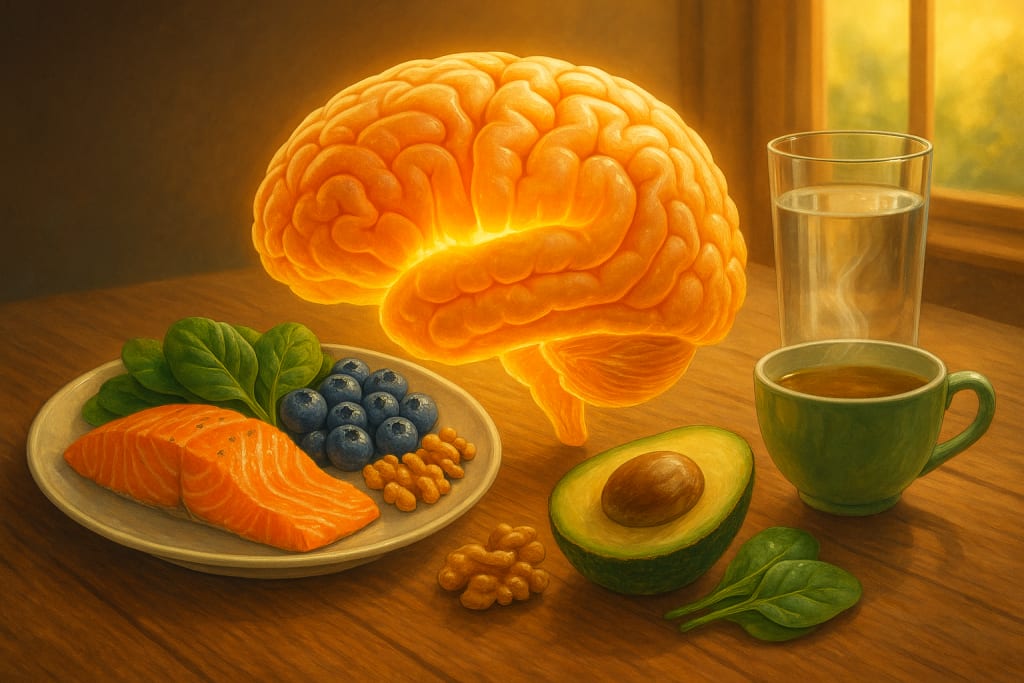
Eat Smart, Think Sharp: Nutrition Secrets for a Younger Brain
Aging is inevitable, but how we age—especially when it comes to the brain—is influenced by the choices we make every day. Our memory, focus, and mental clarity depend not only on genetics but also on lifestyle, with nutrition playing a critical role. The food we put on our plates doesn’t just fuel our bodies; it nourishes our minds. By eating smart, we can think sharper and keep our brains younger for longer.
Why Brain Health Depends on What We Eat
The brain may only make up about 2% of our body weight, but it consumes nearly 20% of our daily energy. Every thought, memory, and emotion is powered by what we eat. Nutrients in food affect brain cells, communication pathways, and even how our brain repairs itself.
Just as a car can’t run on poor-quality fuel, the brain struggles when fed processed foods, excessive sugar, and unhealthy fats. On the other hand, nutrient-rich foods act like premium fuel, protecting against memory loss, cognitive decline, and brain fog. In fact, scientists have shown that certain diets can reduce the risk of dementia and Alzheimer’s disease by up to 50%.
The Power of Omega-3 Fatty Acids
Omega-3 fatty acids are often called “brain food” for good reason. They form the building blocks of brain cell membranes and are essential for communication between neurons. Without them, memory and focus can suffer.
Fish like salmon, sardines, and mackerel are rich in omega-3s, as are plant-based sources like chia seeds, walnuts, and flaxseeds. Adding these foods to your diet just twice a week can boost memory and slow cognitive aging. Imagine omega-3s as the oil that keeps the gears of your brain running smoothly.
Antioxidants: The Brain’s Defense Against Aging
Every day, our brains are exposed to oxidative stress—tiny damages caused by free radicals that accelerate aging. Antioxidants act as protective shields, neutralizing this damage and preserving mental clarity.
Blueberries, often called “brain berries,” are loaded with antioxidants that improve memory and coordination. Leafy greens like spinach and kale contain vitamin K and lutein, which protect brain cells. Even a daily cup of green tea delivers catechins that support focus and calm.
Eating a rainbow of fruits and vegetables ensures a steady supply of antioxidants, helping the brain stay sharp and resilient.
The Hidden Dangers of Sugar and Processed Foods
It’s no secret that sugar harms the body, but its effect on the brain is equally alarming. High-sugar diets are linked to memory problems, reduced learning ability, and increased risk of Alzheimer’s disease. Processed foods full of trans fats and additives also fuel inflammation, which speeds up brain aging.
The occasional treat is fine, but making sugar a daily habit can cloud thinking and weaken mental stamina. Choosing natural sweeteners, whole grains, and fiber-rich snacks helps keep blood sugar stable and the brain alert.
Hydration: The Forgotten Brain Booster
Many people overlook hydration when thinking about brain health. The brain is about 75% water, and even mild dehydration can cause headaches, poor concentration, and fatigue.
Sipping water throughout the day, enjoying hydrating foods like cucumbers and oranges, and limiting dehydrating drinks like alcohol and soda can make a huge difference. Next time you feel mentally drained, try a glass of water before reaching for caffeine—you may be surprised at how quickly your brain perks up.
The Role of Vitamins and Minerals
Beyond fats and antioxidants, specific vitamins and minerals are essential for keeping the brain youthful:
Vitamin B12: Protects nerve cells and prevents memory loss. Found in fish, eggs, and dairy.
Vitamin D: Linked to mood and cognitive performance. Produced by sunlight and found in fortified foods.
Magnesium: Supports learning and memory. Present in nuts, seeds, and dark chocolate.
Zinc and Iron: Vital for neurotransmitter function. Found in beans, pumpkin seeds, and lean meats.
A balanced diet, or supplements when necessary, ensures the brain gets the nutrients it needs to thrive.
The Mediterranean Diet: A Blueprint for Brain Longevity
When it comes to brain-friendly eating, the Mediterranean diet stands out. Centered on vegetables, whole grains, fish, olive oil, and nuts, this way of eating has been shown to reduce the risk of Alzheimer’s and improve cognitive function.
It’s not just about what’s on the plate—it’s about the lifestyle. The Mediterranean approach also emphasizes mindful eating, family meals, and reduced stress, all of which contribute to a healthier brain.
Small Changes, Big Results
You don’t need to overhaul your diet overnight to see benefits. Simple changes, like swapping chips for walnuts, adding spinach to your omelet, or replacing soda with water, can have long-term effects on brain health.
Cooking at home more often, planning meals around colorful vegetables, and enjoying omega-3-rich foods at least twice a week are easy steps that add up. Each smart choice is like an investment in your future clarity and focus.
Food and Mood: The Emotional Side of Brain Nutrition
It’s not just memory and focus—nutrition also affects how we feel. A diet rich in whole foods has been linked to lower rates of depression and anxiety. Omega-3s improve mood, while dark chocolate triggers serotonin, the “feel-good” hormone.
On the flip side, diets high in processed foods often lead to mood swings and sluggishness. By eating smart, you don’t just think sharper—you feel happier too.
Conclusion: Nourishing the Mind for a Brighter Future
The secret to a younger brain doesn’t lie in a pill or a single superfood—it lies in the everyday choices we make at the table. By fueling the brain with omega-3s, antioxidants, vitamins, and plenty of water, while avoiding sugar and processed foods, we can protect our mental clarity and resilience.
Eating smart is more than a health strategy—it’s a way to think sharper, live fuller, and enjoy every stage of life with a vibrant, youthful brain.
About the Creator
LONE WOLF
STORY
The Man Who Always Fixed the Chair
There was a chair by the window in my childhood home that never stayed broken. It wasn’t a special chair. Wooden, plain, slightly uneven. One leg shorter than the others, so it rocked if you weren’t careful. Over the years, it cracked, loosened, and complained every time someone sat down too hard.
By Salman Writes3 days ago in Fiction
Wild Card Weekend Recap: What Happens Now?
I think I figured out why I love Wild Card Weekend so much. It's because it's the first playoff anything of the calendar year. The NFL season starts in the fall, and once upon a time, the champion was crowned either on or slightly before New Year's. The evolution of the NFL schedule has resulted in the playoffs starting just into the New Year, and currently, the final week of the season falls on the first weekend of the New Year, with Wild Card Weekend coming a week after that. So yes, chronologically, the NFL's Wild Card Weekend serves as the first playoff anything of the calendar year.
By Clyde E. Dawkins6 days ago in Unbalanced




Comments
There are no comments for this story
Be the first to respond and start the conversation.