
Counting What Matters
A Thoughtful Look at What We Have and What We Hold

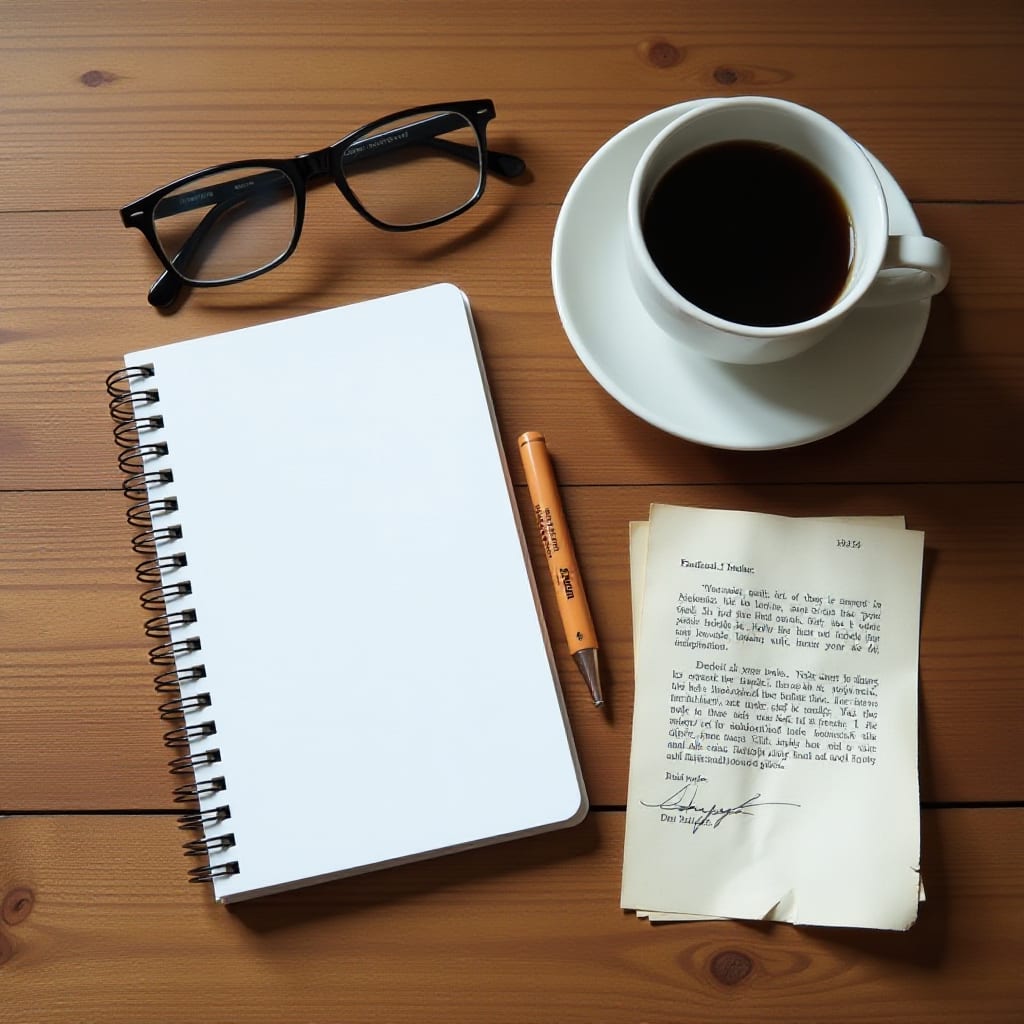
In a world increasingly driven by numbers — steps walked, hours worked, likes gathered, and items bought — it’s easy to confuse accumulation with value. We’re surrounded by the visible: the clutter on our desks, the overflowing inboxes, the to-do lists that stretch endlessly. But beneath the surface, there's another kind of inventory — one that’s quieter, more personal, and far more meaningful. This is the inventory of the heart: the people, moments, values, and memories that define us. Taking stock of what we truly have and hold isn't just an organizational task — it's an act of self-awareness.
The Invisible Ledger
We often associate the word “inventory” with warehouses, spreadsheets, and physical possessions. Businesses do it routinely to assess what’s on hand, what’s missing, and what’s no longer needed. What if we applied that same concept to our personal lives?
Imagine your life as a storeroom. Some shelves are crammed with things you never use, others are bare and neglected. There might be dusty boxes in the corner labeled “dreams I put off” or “people I lost touch with.” At the center, though, you might find a few sacred objects: relationships that give you strength, beliefs that shape your decisions, memories that still bring warmth.
Taking an honest personal inventory means asking questions like:
What am I holding onto, and why?
What have I gained that truly matters?
What have I let go of — and what am I afraid to lose?
It’s an emotional audit, not a financial one. And its purpose isn’t judgment or guilt, but clarity.
Objects That Carry Weight
Physical items can have emotional resonance far beyond their utility. A chipped mug might be the one your grandmother always used. A faded postcard might be from the first time you traveled alone. These objects are weighted not by their material worth, but by the stories they hold.
In recent years, the minimalist movement has encouraged people to declutter and keep only what “sparks joy.” While there's wisdom in simplifying our surroundings, the real insight lies in why something sparks joy. It isn’t about the object — it’s about what it represents.
During the pandemic, many people rediscovered the importance of these seemingly small things: the ritual of morning coffee, handwritten notes from loved ones, a photograph tucked in a drawer. In solitude and uncertainty, these items became emotional anchors. They reminded us of who we are, what we value, and who we love.
People as Part of the Inventory
Who we hold in our lives is just as important as what we hold. A thoughtful inventory means looking at the people we surround ourselves with. Are we investing in relationships that nourish us? Are we holding space for those we’ve grown apart from? Have we expressed gratitude to the ones who have stood by us, often without asking?
Our social circles — family, friends, coworkers, mentors — shape our inner world. Some relationships are comfortable but stagnant. Others may challenge us to grow. And a few rare ones bring peace just by being present. In taking inventory, we get to evaluate not only who adds value to our lives, but also how we show up in theirs.
Time: The Most Overlooked Asset
More than money or possessions, time is the most finite and equal asset we all have. Yet we rarely treat it that way. We spend it impulsively — doom-scrolling, overcommitting, or simply drifting — without much reflection. Taking stock of how we spend our time is perhaps the most powerful part of any personal inventory.
Ask yourself:
What part of my day feels the most alive?
Where does my time go versus where I want it to go?
What drains me, and what restores me?
You might find that the activities you value most — reading, walking, talking with a loved one — get the least space on your calendar. Time, unlike most things, can’t be stored or retrieved. Once it's spent, it's gone. That makes its conscious use a form of wisdom.
The Weight of What We Let Go
Sometimes what we don’t carry matters just as much. We all hold onto emotional baggage: resentment, guilt, fear, self-doubt. These things occupy mental and emotional space, often unnoticed. Letting go doesn’t mean forgetting or denying pain — it means deciding what you no longer need to carry.
Forgiveness, for instance, is not a gift to the person who wronged you — it’s a gift to yourself. Releasing expectations or regrets allows us to reallocate energy toward healing and growth.
In the process of taking inventory, notice not just what you have, but what you’ve outgrown. Make room. Leave some shelves empty. Emptiness isn’t a failure; it’s potential.
How to Begin Your Own Inventory
You don’t need a formal journal or a spreadsheet to begin. Just some time, quiet, and honesty.
List the essentials. Write down the people, places, and practices that matter most to you right now.
Check for alignment. Does your daily life reflect those values? Where’s the mismatch?
Identify clutter. What’s taking up emotional, mental, or physical space with no real purpose or joy?
Notice the patterns. Are you overvaluing what’s urgent and undervaluing what’s important?
Act with intention. Make small shifts — a call to a friend, a walk in nature, a deleted app — that bring you closer to what you truly hold dear.
Conclusion: The Gentle Practice of Awareness
“Counting what matters” isn’t a one-time activity. It’s a habit, a mindset, and a form of self-respect. It’s about turning down the noise of consumerism, productivity, and pressure, and listening instead to your inner compass.
In a world that measures success in speed and volume, there is quiet strength in slowing down, pausing, and taking stock — not just of what you have, but of who you are becoming.
Let this be your gentle reminder: not everything that can be counted counts, and not everything that counts can be counted. But if you pause, breathe, and look with care, you’ll know what truly matters.
About the Creator
Keep reading
More stories from Habibullah khan and writers in Fiction and other communities.
The Forsyth House Fire
Since 1851, Forsyth House has stood on the corner of Union Street and Gordon Street in the heart of Glasgow. Its iconic, or was... because on Sunday 8th of March, 2026, a fire broke out in a small, seemingly un-named shop in the building and tore all that history down. As I write, the rubble is still unsettled and the street is still blocked off. Central Station is quiet on the upper level, and around 30 small businesses have quite literally gone up in smoke.
By S. A. Crawford3 days ago in The Swamp




Comments
There are no comments for this story
Be the first to respond and start the conversation.