
Cityscapes of Tomorrow
Unleashing the Imagination of AI to Craft the Urban Marvels of the Future

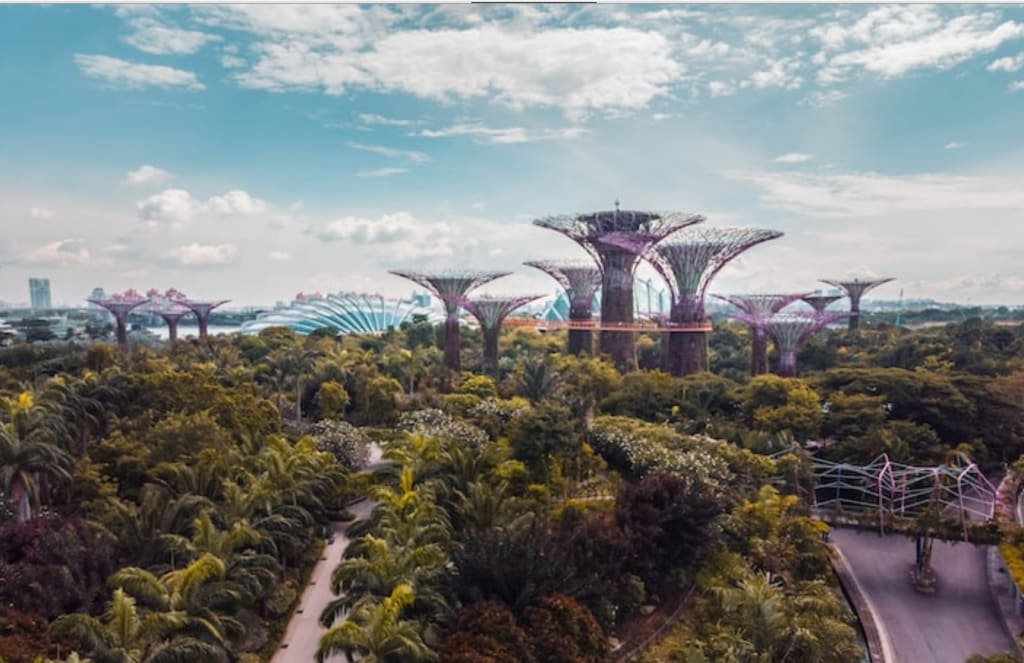
In future architecture, artificial intelligence will revolutionize the way we design structures. With AI by your side, Architects can create incredibly beautiful and sustainable buildings that are both stunning and efficient. Traffic will flow like a dream with no more gridlock, and the city will be managed effectively to keep us safe. These superheroes can also optimize traffic, safety, and waste disposal, Imagine strolling down the streets of the future and being mesmerized by an extraordinary building, its futuristic curves defying gravity and its eco-friendly features earning nods from Mother Nature. What you might not know is that this awe-inspiring structure is not the sole creation of a brilliant architect, but rather a stunning collaboration between human ingenuity and artificial intelligence.
Enter the world of AI-assisted architectural design, where super-smart algorithms team up with architects to conjure up thousands of mind-blowing building ideas in the blink of an eye. These advanced algorithms analyze vast amounts of data from sensors, social media, and beyond, helping city planners make brilliant decisions that enhance our lives.
The creative prowess of AI doesn't stop there. Picture a building constructed using the incredible power of 3D printing, designed to perfection by architects and fortified by AI's optimization wizardry. Gone are the limitations of traditional materials; now, structures can be as imaginative as the architect's mind allows, yet still solid and efficient.
Beyond just aesthetics, AI makes these buildings incredibly functional and intuitive. Smart structures capable of sensing and responding to their environment, adjusting lighting, temperature, and security to match your needs seamlessly. The buildings of the future are not just passive structures; they are interactive and dynamic, promoting energy efficiency and comfort.
Welcome to a future cityscape adorned with architectural marvels, where creativity meets technology to create buildings that are not only jaw-droppingly beautiful but also sustainable, efficient, and truly smart. The possibilities are boundless, and the city of tomorrow will be an awe-inspiring testament to the extraordinary capabilities of human-AI collaboration."
1. AI and Data-Driven Decision Making: In the future, AI will have access to an abundance of data from various sources, including environmental sensors, social media, urban planning databases, and more. This wealth of information empowers AI algorithms to analyze trends, patterns, and user behavior. By harnessing this knowledge, city planners and architects can make well-informed decisions that cater to the needs and preferences of the population.
2. AI-Generated Building Designs: AI algorithms act as the ultimate design assistants for architects. They rapidly generate and evaluate numerous design options, taking into account factors like local climate, available materials, building codes, and energy efficiency requirements. This creative partnership between AI and human architects yields astonishingly innovative and sustainable building concepts that were once unimaginable.
3. 3D Printing and AI: The combination of 3D printing and AI revolutionizes the construction industry. AI algorithms optimize intricate 3D designs, ensuring structural integrity, material efficiency, and cost-effectiveness. The 3D printing process allows architects to bring their boldest visions to life, constructing complex geometries and stunning facades with precision.
4. Smart and Responsive Buildings: Buildings in the future will be equipped with cutting-edge technology, making them smart and highly responsive to occupants' needs. Integrated sensors, IoT devices, and AI-driven systems will regulate lighting, temperature, and ventilation, creating personalized and comfortable environments for each individual. These buildings will be more energy-efficient, reducing waste and lowering overall environmental impact.
5. Energy Optimization and Sustainability: AI plays a crucial role in optimizing building energy consumption. By analyzing real-time data on energy usage, weather conditions, and user behavior, AI algorithms can adjust lighting, heating, and cooling to minimize energy waste while maintaining optimal comfort levels. Sustainable features such as solar panels, rainwater harvesting systems, and green roofs are also integrated into designs, promoting eco-friendliness and reducing the carbon footprint.
6. Collaborative AI-Driven Urban Planning: AI assists not only in building design but also in urban planning. City planners leverage AI's predictive capabilities to simulate future scenarios and assess the impact of various development strategies. AI can model traffic flow, predict population growth, and optimize transportation routes, leading to well-organized and efficient urban spaces.
7. Aesthetics Meets Functionality: The cityscape of the future will be a seamless blend of stunning aesthetics and functional practicality. Futuristic buildings with striking designs will serve as iconic landmarks, capturing the imagination of residents and visitors alike. At the same time, they will function harmoniously within the urban ecosystem, embracing sustainable practices and enriching the lives of the people who inhabit them.
In summary, the city of tomorrow will owe much of its splendor and efficiency to the extraordinary partnership between human architects and AI-driven technologies. As these intelligent systems continue to evolve, the boundaries of architectural innovation will expand, creating cities that are not only visually captivating but also sustainable, responsive, and delightful places to live and work.
About the Creator
GANEWA
Step into my realm, a captivating world brimming with science fiction wonders, marvelously imaginative creations, enchanting poems, and much more.




Comments
There are no comments for this story
Be the first to respond and start the conversation.