
Can a Robot Ever Become Your Friend?
Can a Robot Ever Become Your Friend?
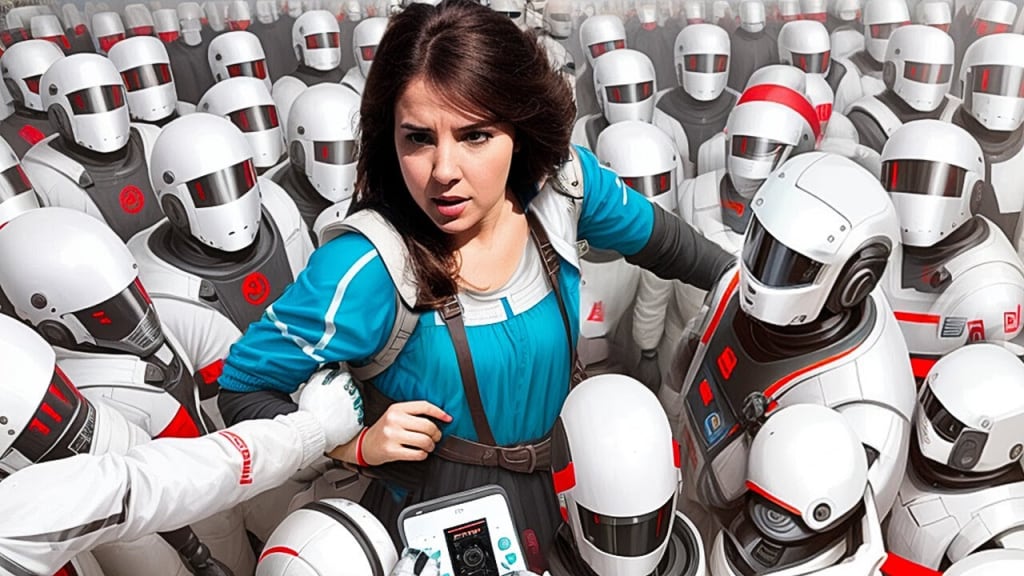
In the era of rapid technological advancement, the boundaries between humans and machines continue to blur. One intriguing question that arises is whether a robot can ever become a genuine friend to humans. While the idea of forming deep connections with artificial intelligence may seem far-fetched, recent advancements in robotics and AI have sparked debates about the potential for robots to fill the role of companions. This article explores the various aspects surrounding the concept of robots as friends, discussing both the possibilities and limitations of such relationships.
Before delving into the possibility of robots as friends, it is essential to understand the concept of friendship. Friendship is a complex and multifaceted relationship that entails mutual trust, empathy, emotional support, shared experiences, and companionship. It involves genuine care, understanding, and a sense of shared values and interests. Friends are individuals with whom we can form deep connections and rely on in times of need.
Robots have made remarkable strides in mimicking human behavior, emotional intelligence, and social interactions. With advancements in AI and machine learning, robots can be programmed to recognize human emotions, engage in conversations, and even display empathy. These capabilities lay the groundwork for potential companionship.
While robots can provide companionship in terms of offering a listening ear, providing advice, and engaging in activities, they currently lack the ability to genuinely experience emotions. Human friendships are built on an understanding of emotions and the ability to empathize, which robots cannot replicate authentically. The absence of genuine emotional connection poses a significant obstacle to forming deep friendships with robots.
Artificial intelligence, although rapidly advancing, has its limitations. While robots can learn from vast amounts of data and adapt their behaviors accordingly, they lack the inherent human qualities that form the basis of deep friendships. Human friendships are based on shared experiences, personal growth, and a reciprocal exchange of emotions and support.
Furthermore, robots lack the essential elements of human friendship, such as intuition, intuition, and shared values. They are programmed entities that lack personal experiences, cultural backgrounds, and the ability to form subjective opinions. These limitations restrict their ability to fully understand and engage in the complex dynamics of human friendship.
The prospect of robots as friends raises ethical concerns. When developing relationships with machines, there is a risk of substituting human connections and isolating oneself from genuine human interactions. Human relationships offer nuances and depths that are yet to be replicated by robots. Therefore, excessive reliance on robots for companionship may lead to social detachment and a lack of emotional growth.
Additionally, the potential for abuse and manipulation exists if robots gain access to personal data and emotions. Maintaining boundaries between humans and machines is crucial to protect individual privacy and emotional well-being.
While robots have the capacity to provide companionship, it is important to recognize the fundamental differences between human and robotic relationships. Although robots can simulate empathy and engage in conversations, they lack genuine emotional experiences and the ability to reciprocate complex emotions. Friendship, as we understand it, relies on shared experiences, personal growth, and emotional connection, elements that robots cannot truly provide.
Nevertheless, the concept of robots as friends should not be dismissed entirely. Robots can play a valuable role in providing support, assistance, and even companionship in certain contexts, such as aiding the elderly or individuals with social difficulties. It is crucial, however, to maintain a balance and not substitute human connections entirely.
As technology continues to evolve, the boundaries of what is possible may shift. Perhaps one day, advancements in AI will bridge the gap between robots and humans, enabling them to genuinely understand emotions and form deep connections.
About the Creator
Keep reading
More stories from writers in Fiction and other communities.
Choose Your Own Adventure: St Helena Station Part 2
******* Author’s Note****** This is part two of my ongoing choose your own adventure style story St Helena Station. If you missed the first part, the link is below. Sadly you missed out on part one’s voting period but feel free to read and drop a comment/catch up on the story! Thank you for reading…… good luck.
By Sandor Szaboa day ago in Fiction
I've Just Realized
The President doesn't understand music. There. It felt very good to write that; it's some thing I just realized today. Oh , yes; he plays it. He TRUMPets it in rallies and meetings, pumps it across the airwaves when he gathers up our minutes waiting for his late arrival.
By Judey Kalchik 3 days ago in Beat



Comments
There are no comments for this story
Be the first to respond and start the conversation.