
The disappearance of Flight 19 occurred on December 5, 1945.The disappearance of Flight 19 remains a mystery to this day. On December 5, 1945, the five torpedo bomber planes comprising Flight 19 took off on a routine training mission from the Naval Air Station in Fort Lauderdale, Florida. The flight was led by experienced flight instructor Lieutenant Charles Taylor. However, during the mission, something went terribly wrong. Communication with Flight 19 was lost, and despite extensive search efforts, neither the planes nor the 14 crew members were ever found.
The circumstances surrounding the disappearance of Flight 19, particularly in the notorious Bermuda Triangle, have led to numerous theories and speculations, but the true cause of the incident remains unknown.
After the disappearance of Flight 19, extensive search and rescue missions were conducted to locate the missing planes and crew members. Despite these efforts, the wreckage of Flight 19 was never found, adding to the mystery surrounding the incident.
There have been subsequent expeditions and searches in the Bermuda Triangle area to try to uncover more information about the disappearances, including attempts to locate Flight 19. However, no definitive answers or new evidence regarding the fate of Flight 19 have been discovered. The Bermuda Triangle continues to be a subject of interest and speculation due to its history of unexplained incidents.
There are various theories suggesting that unusual energy phenomena or magnetic anomalies could be present in the Bermuda Triangle, potentially affecting navigational instruments and leading to the disappearances of ships and planes. However, these theories are speculative, and there is no definitive scientific evidence to support the existence of any specific energy sources in the Bermuda Triangle.
The scientific community generally approaches the Bermuda Triangle incidents with a focus on known factors such as weather patterns, human error, and technical malfunctions rather than mysterious energies or supernatural explanations. Scientists often attribute the disappearances to a combination of natural factors like severe weather conditions, strong currents, and human mistakes. While the Bermuda Triangle remains a place of intrigue and speculation, the scientific consensus leans towards conventional explanations rather than paranormal or supernatural forces.
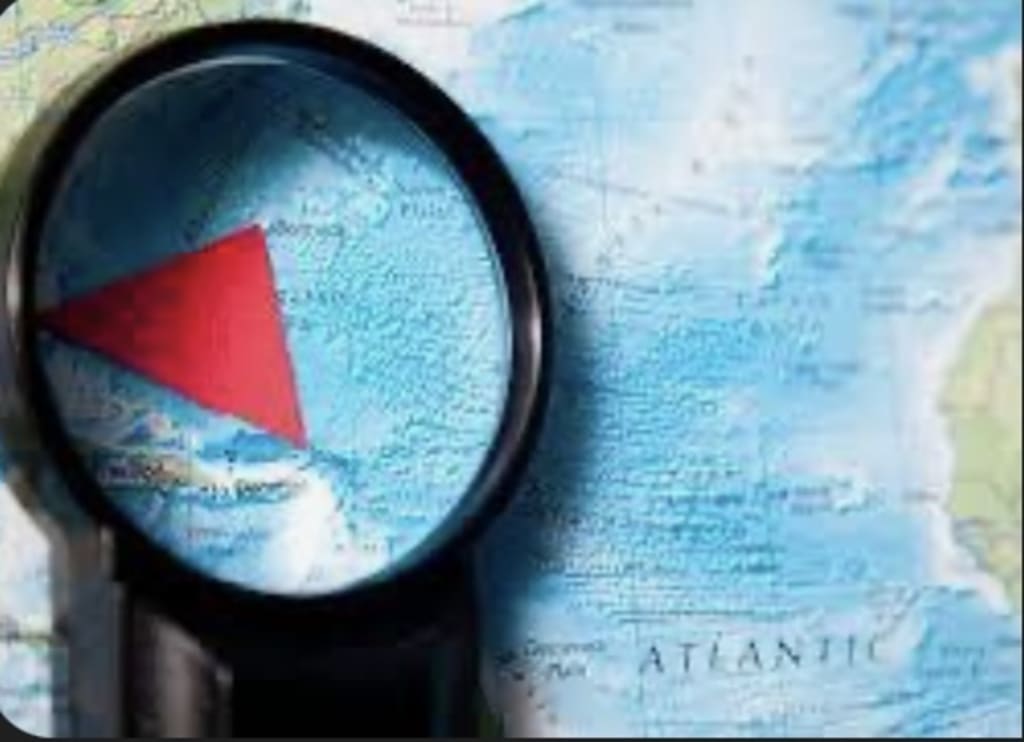
The Bermuda Triangle is a vast area in the western part of the North Atlantic Ocean, roughly bounded by Miami, Bermuda, and Puerto Rico. Its size is significant, covering approximately 500,000 square miles (1,295,000 square kilometers). This large expanse contributes to the mystery and intrigue surrounding the area.
While the Bermuda Triangle is already a large area, there is no scientific evidence or theory suggesting that it could expand further. The boundaries of the Bermuda Triangle have been consistent, and there is no indication that its size is increasing.
As of now, there are no scientific predictions indicating that the Bermuda Triangle will expand or change in size. The area's boundaries have remained stable, and there is no indication that it will grow in the future. Scientists continue to study the phenomena associated with the Bermuda Triangle to better understand the factors at play in the region.
Some common theories about the Bermuda Triangle include unusual weather patterns, electromagnetic anomalies, methane gas eruptions from the ocean floor, and human error. These theories attempt to explain the mysterious disappearances of ships and aircraft in the area. While these theories are popular in popular culture, scientific research tends to focus more on known factors like weather and human error rather than supernatural or paranormal explanations.
In the Bermuda Triangle, some common weather patterns include sudden and intense storms, waterspouts, and strong winds. These weather phenomena can create challenging conditions for ships and aircraft navigating the area. The region is known for its unpredictable weather, which can change rapidly and potentially contribute to incidents or accidents.
Sailors and pilots navigating through the Bermuda Triangle often use advanced weather forecasting technology to monitor and predict weather patterns in the area. They may also choose alternative routes to avoid severe weather conditions, stay in communication with weather stations for updates, and ensure their vessels or aircraft are well-equipped to handle unexpected weather events. These strategies help to mitigate risks associated with navigating through the challenging weather patterns of the Bermuda Triangle.
About the Creator
Keep reading
More stories from Amina Afta and writers in Fiction and other communities.
TUS NUA - ch 53
TUS NUA – ch 53 New Beginnings – Mia and Midnight (*)(*)(*) Finola knew Ali’s brother-in-law needed to put his mind at rest. She fed her arm through his and led him outside. “We’ll sit here. If you like, I can put a block around us so our conversation will be private.”
By Margaret Brennana day ago in Fiction
REEEEEEEEE!
I'm on a low road right now. There are a literal million things to do and not one of them worth my time. I would rather sit in place and burn but the orbit takes me on its inevitable route 'round the center; and I a center in my own right, around which others orbit, and so on and so forth, ad infinitum, ad nauseum.
By C. Rommial Butler7 days ago in Poets


Comments (1)
Thanks for this piece