
Behind the Wheel
A Silent Bond Between Driver and Owner

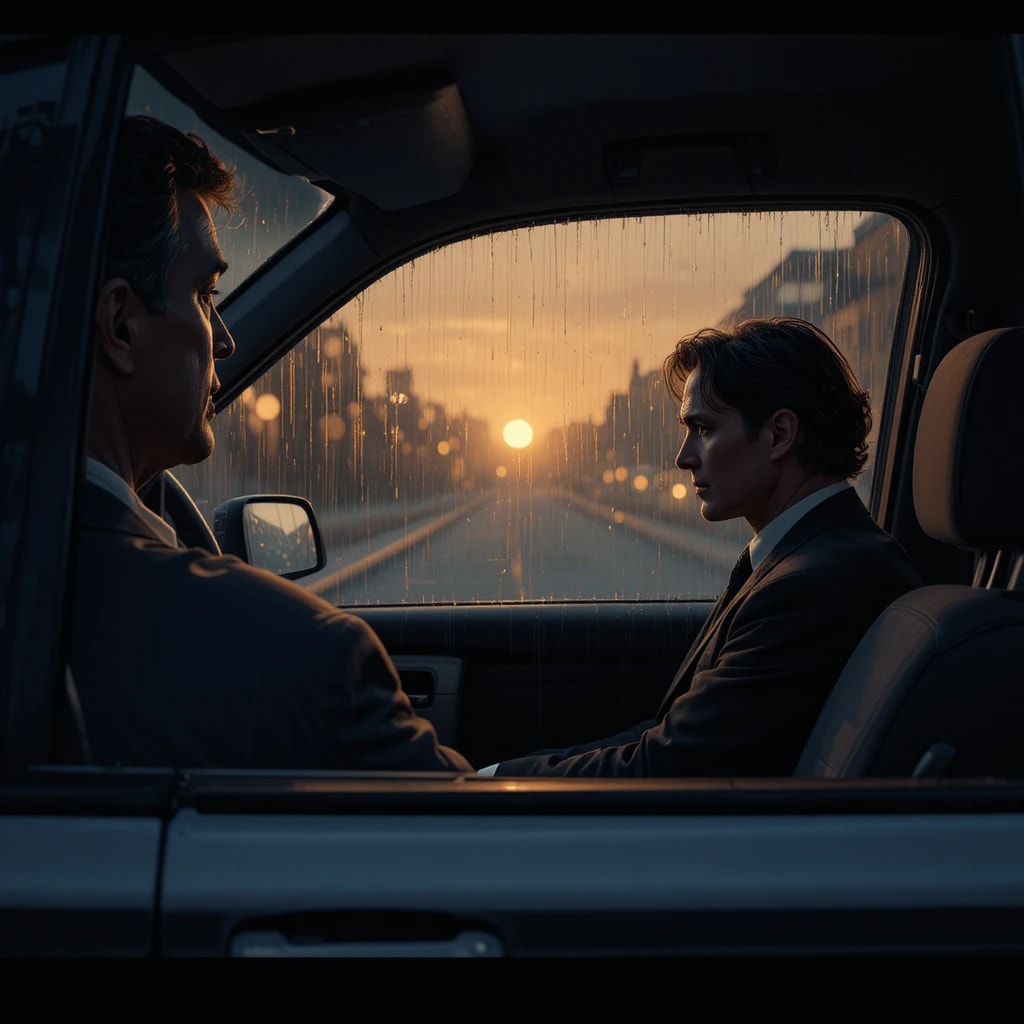
The car was more than metal and leather; it was a moving space where two very different lives quietly met every day. For Rashid, the driver, it was his workplace, his shelter from the sun, and sometimes his only place of peace. For Mr. Kamran, the owner, it was a symbol of success, a vehicle that carried him between meetings, decisions, and a life that never seemed to slow down.
Every morning, Rashid arrived before sunrise. He wiped the dashboard carefully, checked the tires, and sat behind the wheel with a sense of responsibility that went beyond duty. He never rang the doorbell loudly. He waited. Patience had become his habit over the years. When Mr. Kamran stepped out, dressed in crisp suits and carrying the weight of unspoken worries, Rashid greeted him with the same words every day, “Good morning, sir,” spoken softly, respectfully.
Their conversations were short, often limited to directions and time. Yet silence filled the space between them more deeply than words ever could. Rashid noticed everything: the way Mr. Kamran stared out of the window when phone calls ended abruptly, the tired sighs after long meetings, the loosened tie that signaled another exhausting day. He never asked questions. He understood that some burdens were too heavy to be shared.
Mr. Kamran, on the other hand, rarely looked back at the man behind the wheel. Not out of arrogance, but because life had trained him to keep moving forward. Still, unconsciously, he trusted Rashid with his safety, his routine, and his daily life. When the car slowed near a hospital, when it stopped outside a quiet café, Rashid sensed emotions his employer never voiced.
One evening, rain poured relentlessly. Traffic was slow, and frustration filled the roads. Mr. Kamran received a call that changed his posture entirely. His shoulders dropped, and his voice trembled as he ended the call. For the first time, Rashid glanced at him through the mirror and saw not a powerful businessman, but a broken man holding back tears.
Without being asked, Rashid drove slower, carefully navigating the flooded streets. When they reached home, Mr. Kamran didn’t step out immediately. Silence lingered. Then, in a low voice, he said, “Thank you for driving safely today.” It was a simple sentence, yet it carried years of distance within it.
Days later, Rashid fell ill and couldn’t come to work. Mr. Kamran drove himself for the first time in years. The steering wheel felt unfamiliar, the traffic overwhelming. He realized how much comfort had existed in the quiet presence of the man behind the wheel. That evening, he visited Rashid’s modest home, carrying medicine and fruit. Rashid was shocked, humbled beyond words.
In that moment, the invisible line between owner and driver softened. They spoke little, but understanding passed between them. The car had always carried two souls—one steering, one being driven—both learning that respect, care, and humanity often live in silence, waiting to be noticed.
Behind the wheel, a bond had formed—unspoken, unseen, but deeply felt.
About the Creator
Keep reading
More stories from Taslim Ullah and writers in Fiction and other communities.
The Silent Pulse
The heart monitor beside bed number seven never made a mistake. Its rhythm was calm, disciplined, almost perfect. Dr. Ayaan often paused there longer than necessary, staring at the green line that rose and fell with mechanical honesty. According to science, the man lying beneath the white sheets was fine. Yet Ibrahim’s silence told another story.
By Taslim Ullah18 days ago in Fiction
Miss Persephone's Manual to a Seemingly Ordinary Life
Miss Persephone was found at the dining table, her blue eyes swollen, her tears arriving and retreating like the tides of the ocean. Earlier that day, her family had visited her in the retirement home where she had lived for eight years. It was her eightieth birthday.
By Imola Tótha day ago in Fiction
Coming of Age
Over the last five years, life in the Bay State seemed to be in a constant state of turmoil. Tariffs on glass, lead and several other items were responded to by the colonists with boycotts. Unrest grew to a fevered pitch until, on March 5th, 1770, the Boston Massacre occurred. Three years later, a group of men dressed as Native Americans boarded a ship and tossed its cargo of tea into Boston Harbor. Their action was dubbed the Boston Tea Party. It was easy to see how a fourteen-year-old boy who lived twenty miles from the big city could be easily confused by the state of the world.
By Mark Gagnonabout 3 hours ago in Fiction



Comments
There are no comments for this story
Be the first to respond and start the conversation.