
Barbie: The Cultural Phenomenon and Controversial Icon
"Barbara Millicent Roberts: The Three-Dimensional Doll for Girls' Dreams and Aspirations"

Barbie, the iconic doll created by Mattel, has become a cultural phenomenon since her debut in 1959. Though she is a fictional character, Barbie's influence on popular culture and her representation of the American dream have made her a beloved and controversial figure worldwide.
Barbie's full name is Barbara Millicent Roberts, and she was created by Ruth Handler, co-founder of the Mattel toy company. Ruth was inspired to create the doll after observing her daughter Barbara playing with paper dolls and imagining them in adult roles. Ruth recognized the need for a three-dimensional adult-like doll for girls to project their dreams and aspirations.
Barbie made her first appearance at the American International Toy Fair in New York City on March 9, 1959. She was dressed in a black-and-white striped swimsuit, with her signature ponytail hairstyle and striking blue eyes. At the time of her introduction, Barbie was unlike any other doll on the market. She was a fashion model, and her wardrobe was designed to reflect various professions and fashion trends, giving girls the opportunity to envision her in numerous roles.
Over the years, Barbie's appearance has evolved to keep up with changing beauty ideals and cultural trends. She has been available in various ethnicities and skin tones, attempting to become more inclusive and diverse. However, despite these efforts, Barbie has faced criticism for promoting unrealistic beauty standards and perpetuating harmful stereotypes.
Throughout her existence, Barbie has been part of a wide range of playsets, accessories, and media tie-ins, including movies, TV shows, and video games. Her popularity has never waned, and she remains one of the best-selling dolls globally.
Barbie has also faced controversies, with concerns raised over her promoting materialism and consumerism among young girls. Critics argue that she reinforces traditional gender roles and can have a negative impact on body image and self-esteem for some children.
In recent years, Mattel has made efforts to address these criticisms and has introduced new variations of Barbie to promote more positive role models and career aspirations. They have released dolls inspired by real-life inspiring women, such as scientists, athletes, and artists, aiming to encourage girls to pursue their dreams and break societal norms.
Barbie's cultural impact extends far beyond just toys. She has become a symbol of girlhood and an emblem of consumer culture. Despite the controversies surrounding her, Barbie has left an indelible mark on generations of children, sparking imaginations and inspiring dreams of a world filled with limitless possibilities. Her legacy continues to evolve as she adapts to changing times, remaining an enduring and iconic figure in the toy industry and popular culture.
About the Creator
Keep reading
More stories from Jay Rathod and writers in Fiction and other communities.
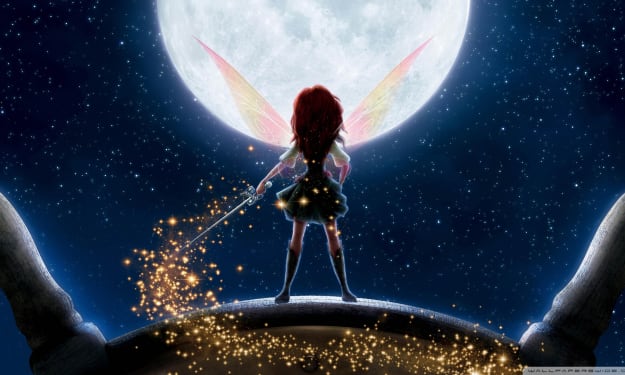
International Fairy Day
History of International Fairy Day Although fairies exist in the lifestyle of every region, they will be known as a help to use a kind of name. Regardless of where you go, the fact that they were not in an unusual place is that they may be spirits that inhabit the area around us and perform frequently using strange and often extraordinary laws. That’s almost where the similarities end, and where the wonderfully numerous norms that may be fei begin.
By Jay Rathod4 years ago in Fiction
Bomb Scare
It was 2027, and the world never thought it would happen. A missle hit the United States, but it wasn't where they had anticipated. A little town in the northeast was hit by a missile strike, they didn't know why, and they didn't know exactly where it hit, but they did know it was a coastal community, somewhere between Maine and Delaware.
By Gregory Payton8 days ago in Fiction



Comments
There are no comments for this story
Be the first to respond and start the conversation.