
Back from Extinction: Are Dinosaurs, Mammoths, and Dodos Set to Roam the Earth Again by 2028?
Explore the groundbreaking science behind de-extinction and its potential impact on ecosystems and conservation
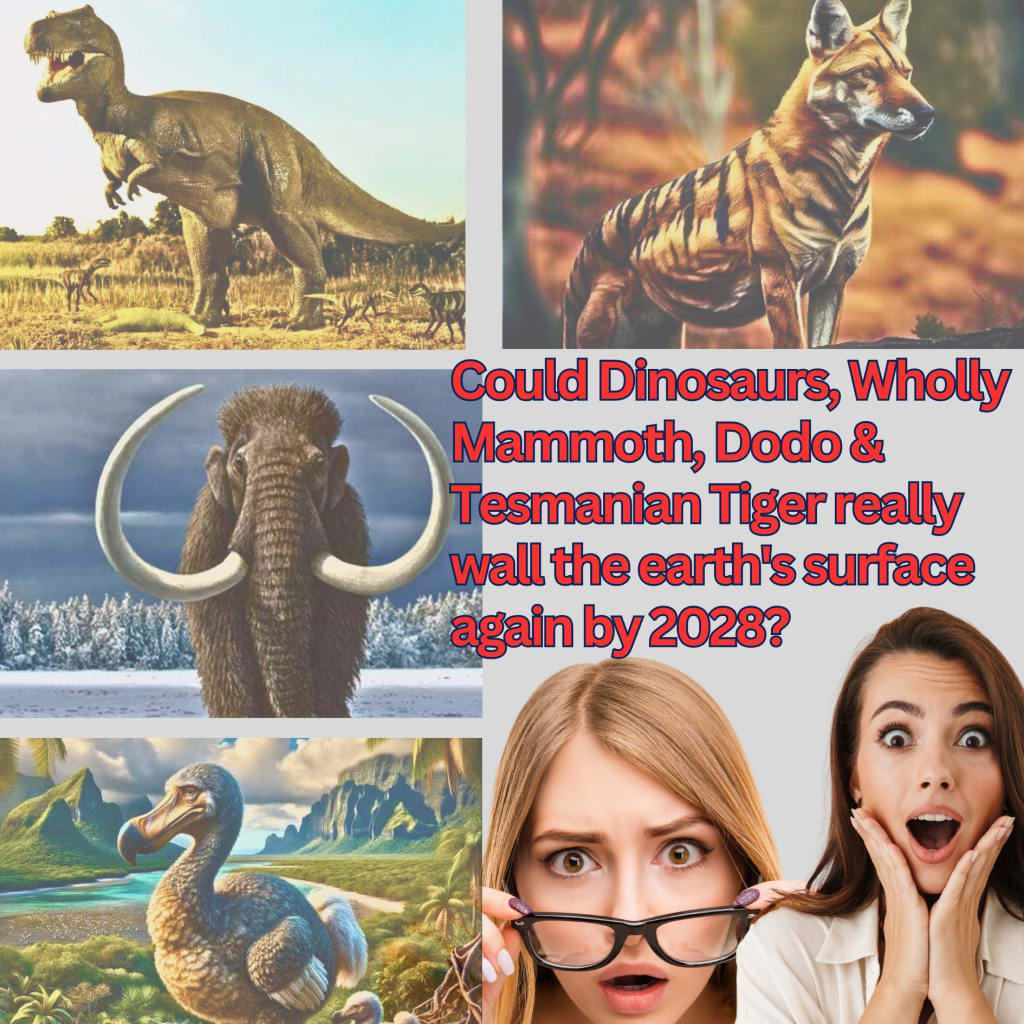
Back from Extinction: Are Dinosaurs, Mammoths, and Dodos Set to Roam the Earth Again by 2028?
Introduction
Imagine a world where extinct creatures like the woolly mammoth, flying Dinosaurs, Tasmanian tiger, and even the iconic dodo bird walk among us. This may sound like the plot of a sci-fi blockbuster, but groundbreaking efforts by scientists and biotech companies suggest that it could become a reality as early as 2028!
In this blog, I'll explore the bold vision of "de-extinction" and how science is pushing boundaries to resurrect long-lost species. Get ready to discover the thrilling science behind this astonishing idea and the potential implications for ecosystems, conservation, and humanity.
--------------------------------------------------------------------------------------------------------

The Mammoth Revival: A Cold Giant Returns
The woolly mammoth, a legendary Ice Age giant, has captured the imagination of researchers and the public alike. Standing up to 13 feet tall, with curved tusks and a coat designed to endure freezing climates, these creatures were uniquely adapted to their environment.
Scientists are now working to create a hybrid mammoth-elephant by combining DNA from well-preserved mammoth remains with that of its closest living relative, the Asian elephant. With advanced gene-editing tools like CRISPR, they aim to engineer embryos capable of growing into mammoth-like creatures.
Why bring back the mammoth? Experts believe it could help restore the Arctic tundra ecosystem, reversing damage caused by climate change. And if all goes as planned, we might see the first "Mammoth 2.0" as early as 2028!
--------------------------------------------------------------------------------------------------------
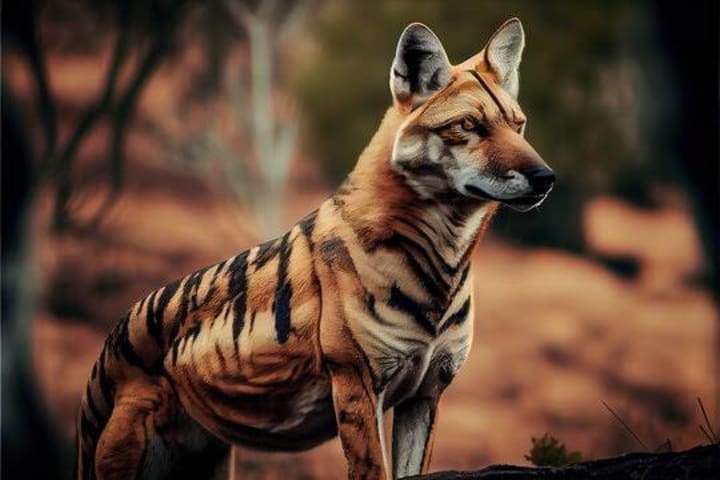
Tasmanian Tiger: A Second Shot at Life
The Tasmanian tiger, or thylacine, vanished in 1936, marking the end of this wolf-like marsupial. But thanks to preserved specimens and a completed genome sequence, scientists are closer than ever to bringing it back.
Using cells from a fat-tailed dunnart, the thylacine’s closest living relative, researchers are applying the same genetic editing techniques as with the mammoth. This revival could potentially restore balance to ecosystems in Tasmania and mainland Australia.
--------------------------------------------------------------------------------------------------------
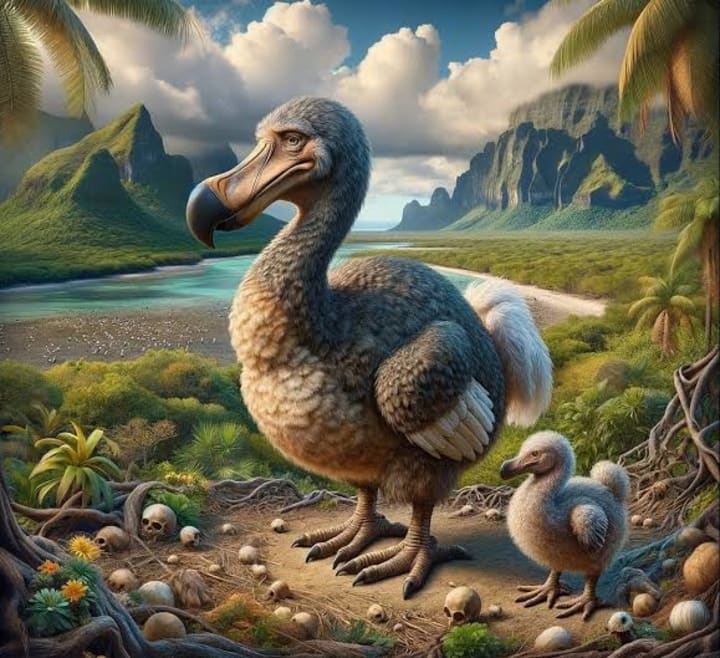
The Dodo’s Comeback: A Bird Like No Other
The dodo, synonymous with extinction, could soon shed its tragic reputation. Native to Mauritius, this flightless bird disappeared in the late 1600s due to human activity. Today, scientists have sequenced its genome from well-preserved skulls and identified its closest living relative, the Nicobar pigeon.
Reviving the dodo is particularly challenging due to limited knowledge about its biology. However, its return could provide valuable insights into the impact of human actions on ecosystems and the possibilities of correcting past mistakes.
--------------------------------------------------------------------------------------------------------
The Technology Behind De-Extinction
At the heart of these ambitious projects lies cutting-edge biotechnology. Here’s how it works:
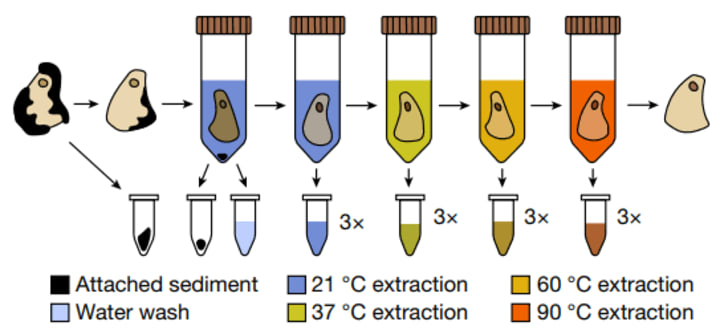
1. DNA Recovery: Scientists extract DNA from well-preserved samples of the extinct species.

2. Genome Sequencing: They map the extinct creature’s genome and compare it to that of its closest living relative.
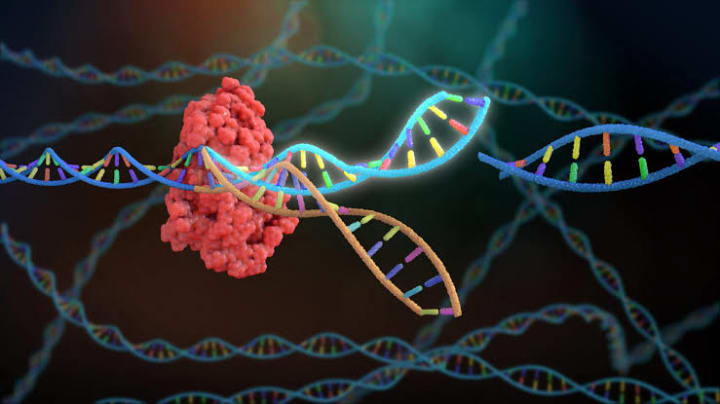
3. Gene Editing: Using tools like CRISPR, they edit the relative's DNA to replicate the extinct species’ genetic traits.

4. Embryo Creation: The edited DNA is used to create an embryo, which is implanted in a surrogate mother.
--------------------------------------------------------------------------------------------------------
Risks and Rewards
While the idea of bringing back extinct species is exciting, it raises ethical and environmental concerns. Critics worry about unintended consequences, such as disrupting ecosystems or diverting resources from conserving existing wildlife. However, proponents argue that de-extinction could serve as a powerful tool for ecological restoration and a wake-up call for preventing further extinctions.
--------------------------------------------------------------------------------------------------------
The Future of De-Extinction
Colossal Biosciences, the company leading this charge, has already achieved major milestones. Its projects highlight how science and technology can push the limits of what’s possible. With Paris Hilton and Chris Hemsworth among its celebrity supporters, this movement is gaining traction and funding.
If these efforts succeed, we could soon witness a world where woolly mammoths roam the tundra, Tasmanian tigers prowl Australian forests, and dodos grace the shores of Mauritius.
--------------------------------------------------------------------------------------------------------
Conclusion
De-extinction is more than just science fiction—it’s a testament to human ingenuity and the power of technology. Whether these efforts will reshape the future or create unforeseen challenges remains to be seen. One thing is certain: the return of these extinct species will mark a new era in conservation and scientific discovery.
Stay tuned as we follow these awe-inspiring developments. Don’t forget to share this article and let us know: Which extinct animal would you love to see brought back to life?
---------------------------------------------------------------------------------------------------------
About the Creator
Keep reading
More stories from Kehinde Adesina and writers in Fiction and other communities.
Could Time just be an Illustration and not Real?
Is Time Real or Just an Illusion? Exploring Einstein, Block Universes, and More Time is something we all experience, but what if it’s not what we think it is? For most of us, time feels like a one-way street, always pulling us forward, moment by moment, from the past into the future. We build our lives around it—planning, remembering, and anticipating—trusting it to follow a steady rhythm. Yet, the more scientists and philosophers study time, the more mysterious it becomes. Could time be more like a magician’s trick, a cleverly crafted illusion that deceives our senses? Or is it a fundamental fabric of reality, weaving together space and existence? The answers may challenge everything we think we know about the universe and our place in it. ----------------------------------------------------------------------------------------------------------
By Kehinde Adesinaabout a year ago in Fiction
Homeless, Hopeless, Heavenless: City of Angeles
“No medicine cures what happiness cannot.” ― Gabriel García Márquez My cousin, Byong, remains poor, for he never graduated from high school. Indeed, he gave up on life a long time ago because his mother was a sex worker, he never met his father, and he suffered from poverty. He gave up on his dreams, but he was the most amazing street dancer I ever saw. When you watch Michael Jackson, some of those moves are the moves Byong, invented, because the famous Michael hired LA street dancers to teach him new performance moves. K-pop was invented on the streets of Lost Angels.
By WILD WAYNE : The Dragon King3 days ago in Fiction


Comments
There are no comments for this story
Be the first to respond and start the conversation.