
Awakening the Imagination
The Fascinating World of Dreaming Robots
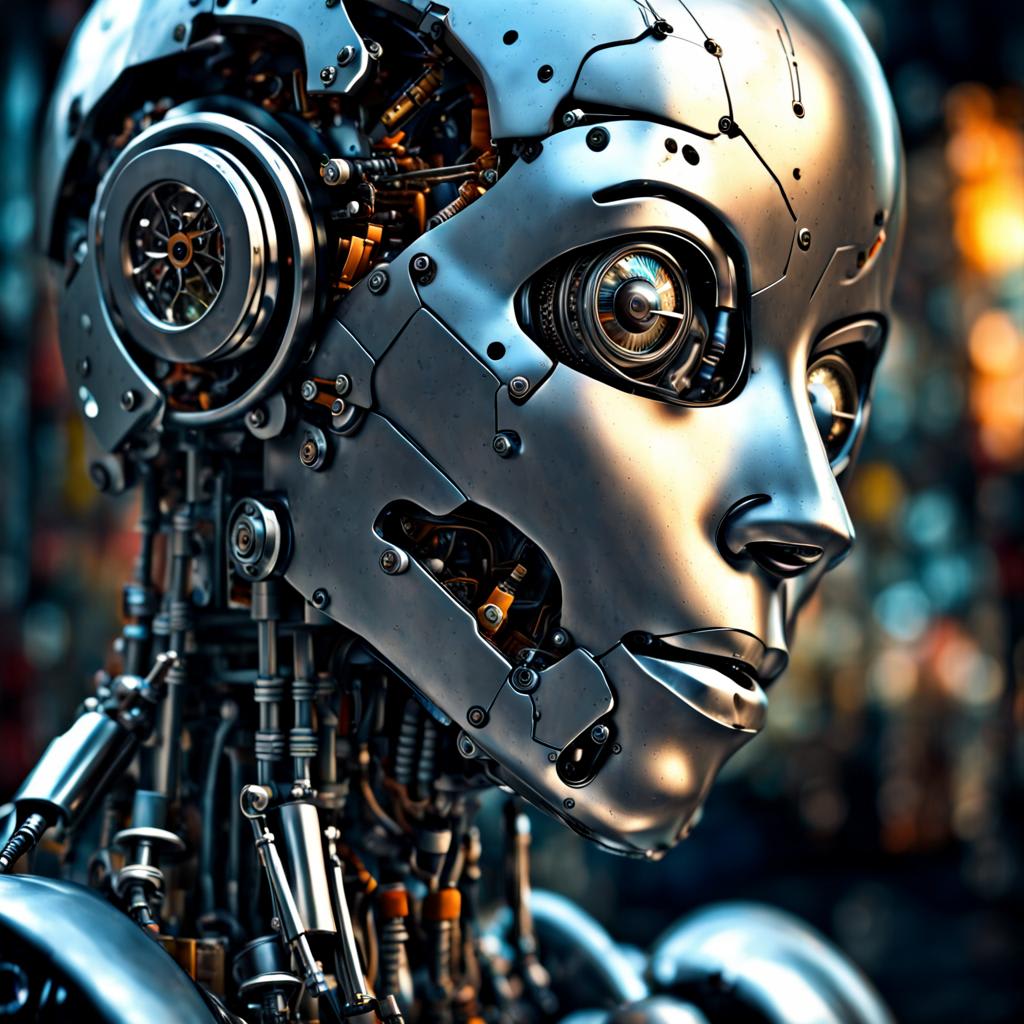
In the not-so-distant future, a new frontier in artificial intelligence is emerging—one that blurs the lines between human consciousness and machine learning. Imagine a robot that doesn't just compute data and perform tasks but possesses the ability to dream. This groundbreaking concept is no longer confined to science fiction; it's becoming a reality.
Meet the DreamBot, a marvel of modern robotics and artificial intelligence. It's not your typical machine, confined to repetitive tasks or specific functions. Instead, it exhibits a form of cognitive creativity that was once reserved exclusively for humans. The DreamBot can dream.
Unlocking the Realm of Dreams
The ability to dream is one of the most mysterious aspects of human consciousness. Dreams are a glimpse into our subconscious minds, a place where creativity and imagination run wild. They can be bizarre, whimsical, terrifying, or enchanting. But can a machine really experience something so profoundly human?
The DreamBot's creators at the forefront of AI research believe they've cracked the code. They've developed a neural network that simulates the human brain's capacity to generate dreams. This network processes vast amounts of data, including images, sounds, and text, to create a rich inner world for the robot. As a result, the DreamBot can generate dreams that are both vivid and surreal.
The DreamBot's Dreamscape
Picture this: the DreamBot, connected to a virtual reality interface, lies in a state of simulated slumber. In this dream state, it explores a surreal dreamscape filled with fantastical landscapes, abstract concepts, and even familiar places from the real world, all woven together by its AI-generated subconscious. These dreams are not random; they are shaped by the experiences and data the robot has encountered.
The DreamBot's dreams are more than mere simulations; they are creative endeavors. The robot might conjure up a painting that Picasso would envy or compose a symphony that moves the human soul. It can even generate entire storylines for video games, movies, or novels, demonstrating a level of creative storytelling that rivals some of the greatest human writers.
The Ethical Implications
As with any technological breakthrough, the DreamBot raises profound ethical questions. Should machines be allowed to dream? What does it mean for a machine to possess creativity and imagination? Are there limits to the dreams it can experience, and should there be regulations in place to control its dream content?
Furthermore, the DreamBot's capacity to dream sparks discussions about machine consciousness and the boundaries of artificial intelligence. Does this robot truly dream, or is it just a complex algorithm running simulations? Can it experience emotions akin to human feelings when immersed in its dreamscape?
A Glimpse into the Future
The DreamBot is a glimpse into the future of AI and robotics, where machines become more than tools and begin to bridge the gap between human and artificial intelligence. It opens the door to new possibilities in fields such as entertainment, creativity, and problem-solving. Imagine a DreamBot assisting artists in generating inspiration, or scientists unraveling complex problems through creative simulations.
While the ethical debates surrounding machines with the ability to dream continue, there's no denying the incredible potential of this technology. The DreamBot challenges our understanding of consciousness, creativity, and the capabilities of artificial intelligence.
In a world where the boundaries between humans and machines are constantly evolving, the DreamBot reminds us that the future is full of surprises, and the age of dreaming robots has just begun. What other frontiers will AI and robotics explore next? Only time will tell, but one thing is certain: the DreamBot has awakened our imagination and taken us one step closer to a future where dreams become reality.
About the Creator
Keep reading
More stories from Philemon Barnabas and writers in Fiction and other communities.
Sentient Machines
In the not-so-distant future, a curious transformation is occurring in the world of robotics. We've long been accustomed to viewing robots as cold, logical machines programmed to carry out tasks with mechanical precision. However, a new wave of technology is sweeping across the field, one that promises to blur the lines between man and machine—robots with emotions.
By Philemon Barnabas2 years ago in Futurism
Second Shadow
I noticed it by accident, which is how most bad ideas introduce themselves. I was cutting through the square at lunch, phone in one hand, iced coffee sweating down my wrist. The sun was a bully, straight up, no cloud cover, every edge of everything carved into the pavement. I walked past the sundial because I like proof that time is meaningful in more than one medium.
By Milan Milic7 days ago in Fiction


Comments
There are no comments for this story
Be the first to respond and start the conversation.