
Anime That Can Make You Cry
Saddest anime of all time

The Saddest Anime of All Time: Stories that Touch the Heart
Anime, much like any art form, has an incredible ability to evoke a range of emotions. From laughter to excitement, the medium excels at engaging audiences in unique ways. But when anime dives deep into emotional storytelling, it can bring forth tears in a way few other forms of entertainment can match. Whether it's the pain of lost love, the sorrow of separation, or the profound beauty found in tragic moments, some anime take you on a heart-wrenching journey. In this blog, we’ll explore some of the saddest anime of all time—series and films that don’t just tell stories, but leave you feeling emotionally raw, yet strangely uplifted by their depth and humanity.
1. Grave of the Fireflies (1988)
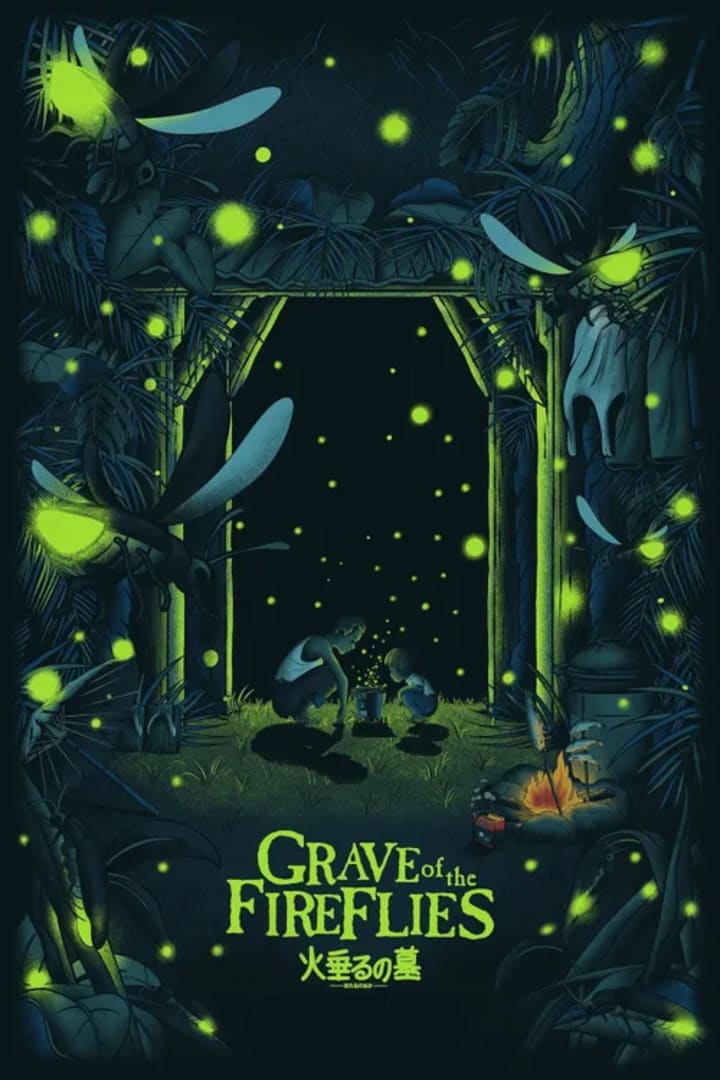
Director: Isao Takahata
When discussing the saddest anime of all time, it’s impossible not to mention Grave of the Fireflies. This Studio Ghibli film is a devastating portrayal of war's impact on two siblings, Seita and Setsuko, during World War II. While many war stories focus on soldiers or battles, Grave of the Fireflies zooms in on the personal, emotional toll war takes on the innocent.
The film is, at its core, about survival—but it’s also about the loss of innocence, hope, and humanity. Seita and Setsuko’s struggle to stay alive, despite the overwhelming devastation around them, is heart-wrenching. Every moment of fleeting happiness they find, like catching fireflies or playing together, is tempered by the reality that their world is crumbling. As the story progresses, their situation grows more dire, and viewers are left emotionally shattered by their fate.
What makes Grave of the Fireflies so sad isn’t just the story itself, but the way it taps into universal feelings of helplessness, love, and loss. The film forces you to confront the cruelty of war through the eyes of children, and that raw emotion lingers long after the credits roll.
2. Clannad: After Story (2008)
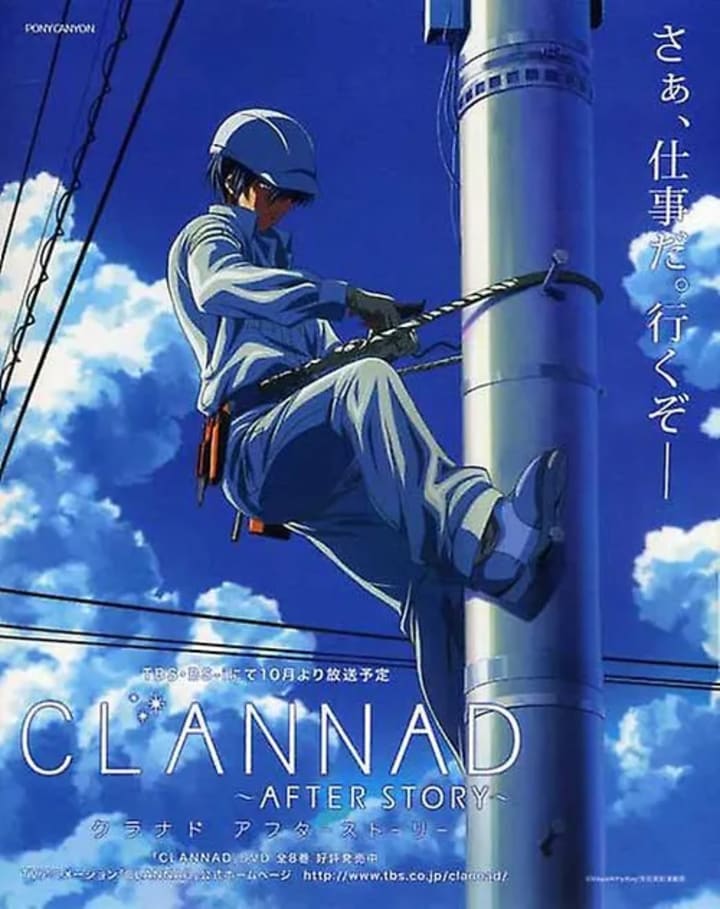
Director: Tatsuya Ishihara
Clannad is a series known for its emotional depth, but it’s the second season, Clannad: After Story, that truly earns its place as one of the saddest anime of all time. The first season sets up the romance between Tomoya Okazaki and Nagisa Furukawa, two high school students dealing with their own struggles. It’s sweet, charming, and filled with moments of levity. But After Story takes the narrative into deeper, more mature territory.
Without giving too much away, Clannad: After Story explores themes of family, love, and loss in ways that are deeply resonant. Tomoya’s journey from a high school student to an adult facing the realities of life is full of painful moments that anyone who has experienced grief or hardship can relate to. The anime doesn’t shy away from showing how love can be both a source of immense joy and overwhelming sorrow.
One of the most heart-breaking aspects of the series is how it portrays the inevitability of loss. The characters experience happiness, but there’s always a sense that it could be fleeting. When tragedy strikes, it hits hard, and viewers are left grappling with the profound sense of loss that Tomoya endures. The emotional rollercoaster of Clannad: After Story is gut-wrenching, making it a series that will leave you in tears, but also reflecting on the beauty and fragility of life.
3. Your Lie in April (2014)
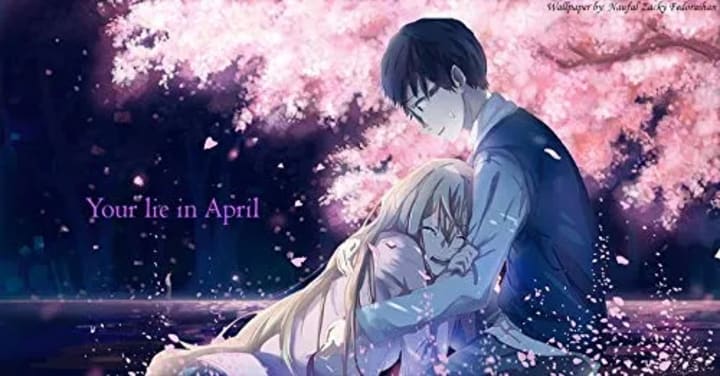
Director: Kyohei Ishiguro
Music and emotion are intrinsically linked in Your Lie in April, a series that combines beautiful animation with a heartbreaking narrative. The anime follows Kousei Arima, a piano prodigy who loses his ability to hear music after the death of his mother. He becomes emotionally numb and stops playing the piano, until he meets Kaori Miyazono, a spirited violinist who breathes life back into his world.
At its core, Your Lie in April is about healing, but it’s also about love and loss. Kousei’s journey is not just one of rediscovering his passion for music but also learning how to cope with grief. Kaori’s bright and infectious personality contrasts sharply with the darkness that has consumed Kousei, and their relationship brings hope and warmth to his life.
But the series doesn’t follow a straightforward path of redemption. As Kousei grows closer to Kaori, he learns that she is battling a serious illness. The show expertly weaves together moments of joy and despair, pulling viewers into an emotional whirlwind. Kaori’s illness, Kousei’s internal struggle, and the overarching theme of loss come together to create a story that feels deeply personal and tragically beautiful. The final episodes are an emotional gut punch, leaving viewers heartbroken yet appreciative of the love and growth that Kousei and Kaori shared.
4. Anohana: The Flower We Saw That Day (2011)
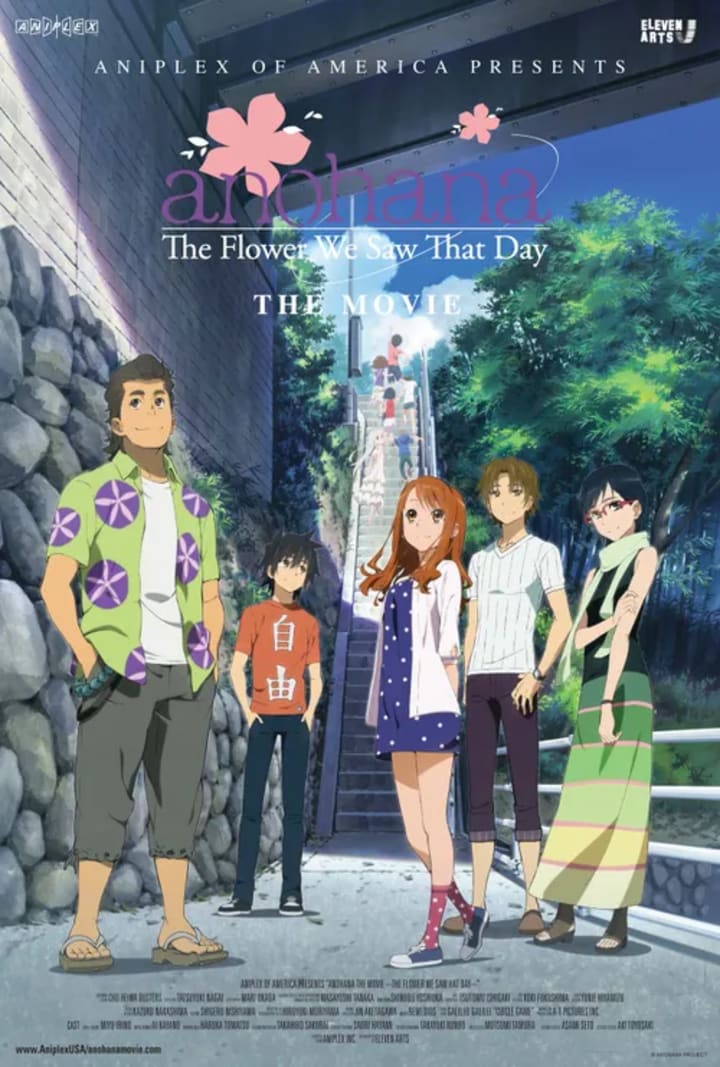
Director: Tatsuyuki Nagai
Anohana is one of those anime that seems designed to make you cry. It’s a story about a group of childhood friends who drift apart after the death of one of their own, Menma. Years later, the ghost of Menma reappears to Jinta, one of the group members, asking for help in fulfilling her final wish so she can pass on. This brings the group back together, forcing them to confront their guilt, grief, and unresolved feelings surrounding Menma’s death.
What makes Anohana so powerful is its exploration of how people cope with loss in different ways. Each character has been affected by Menma’s death, and as the story progresses, we see how they’ve been holding onto their pain for years. The anime handles the themes of grief, friendship, and moving on with a delicate touch, ensuring that each emotional beat lands with full force.
Menma’s innocence and her desire to reunite her friends add a bittersweet layer to the story. While her presence brings the group together again, it also forces them to relive their most painful memories. The final scenes are a culmination of all that emotional buildup, and it’s nearly impossible to get through them without tearing up. Anohana reminds us that letting go doesn’t mean forgetting, and that healing sometimes requires confronting the most painful parts of our past.
5. Tokyo Magnitude 8.0 (2009)
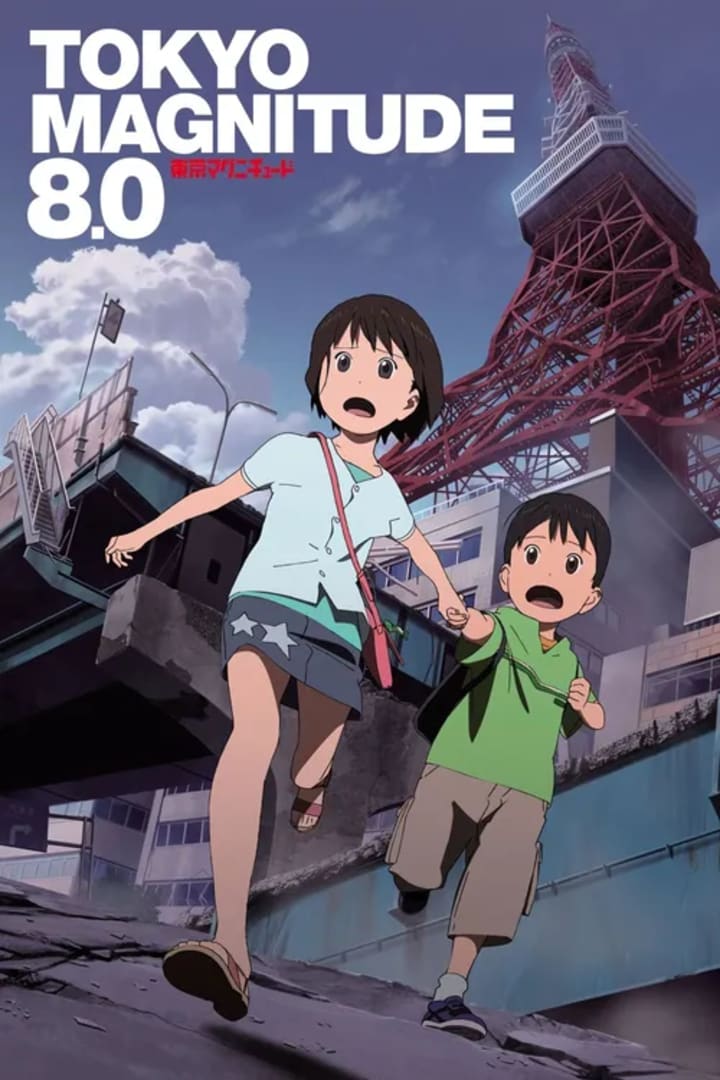
Director: Masaki Tachibana
Tokyo Magnitude 8.0 takes a different approach to sadness, focusing on a natural disaster and its aftermath. The story follows two siblings, Mirai and Yuki, who are caught in a massive earthquake while visiting Odaiba, Tokyo. They meet Mari, a woman who helps them navigate the destroyed city as they try to reunite with their family.
What sets Tokyo Magnitude 8.0 apart is its realism. The anime doesn’t rely on fantasy elements or exaggerated emotions to create sadness. Instead, it portrays the devastation of the earthquake in a grounded, believable way. The characters face the very real horrors of a disaster—injury, loss, and the breakdown of society.
As the trio makes their way through the wreckage, the bond between Mirai, Yuki, and Mari grows stronger, but there’s an undercurrent of tragedy throughout the journey. The show’s emotional impact is subtle at first, but as the story unfolds, it becomes clear that not everything is as it seems. The final episodes deliver a heartbreaking twist that recontextualizes the entire journey and leaves viewers reeling from the emotional blow. Tokyo Magnitude 8.0 is a sobering reminder of how fragile life is, and how quickly things can change in the face of disaster.
6. Angel Beats! (2010)

Director: Seiji Kishi
Angel Beats! is a unique blend of humor, action, and tragedy. Set in a high school that acts as a purgatory for students who have unresolved issues from their lives, the anime follows Otonashi, a boy who wakes up in this strange afterlife with no memory of how he died. He soon joins a group of other students who are rebelling against a mysterious girl named Angel, who they believe is the key to escaping the afterlife.
As the series progresses, it becomes clear that each character has a tragic backstory, and their fight against Angel is a manifestation of their inability to accept their own deaths. The humor and action are balanced by deeply emotional moments as the characters come to terms with their pasts and begin to move on.
What makes Angel Beats! so sad is the inevitability of the characters’ fates. As they resolve their regrets, they disappear from the afterlife, leaving behind the friends they’ve made. The final episodes are a mix of heartbreaking goodbyes and emotional revelations, culminating in a tear-jerking finale that reminds us that life, even in its darkest moments, is worth cherishing.
Conclusion: The Cathartic Power of Sad Anime
Anime has a unique ability to delve into the human condition, exploring the deepest emotions we often try to hide. These sad anime don’t just tell tragic stories; they force us to confront our own feelings of loss, grief, love, and hope. What makes them truly memorable is their capacity to make us reflect on our lives and the people we cherish.
In a way, these stories remind us of the beauty in sadness. They teach us that even in moments of heartache, there is meaning to be found—whether it’s in the bonds we form, the memories we make, or the lessons we learn. So, if you’re ever in need of a good cry.
About the Creator
Absorbing Stories
Passionate blogger and curious soul, I find magic in the everyday and beauty in the mundane. By day, I’m a dedicated blogger, crafting solutions that blend innovation with empathy. By night, I’m an avid reader.
Keep reading
More stories from Absorbing Stories and writers in Fiction and other communities.
Movies That Can Make You Cry.
The Power of Tears: Top Movies That Can Make You Cry There’s something undeniably cathartic about a good cry. Whether it’s the release of pent-up emotions or the way we connect to stories that mirror our own experiences, movies that make us cry serve as an emotional reset button. For many, the act of tearing up or outright sobbing in front of the screen is more than just a sign of a moving narrative; it’s a testament to the magic of cinema. In this blog, I’ll take you through a carefully curated list of films that evoke deep emotions and can make even the toughest among us shed a tear.
By Absorbing Storiesabout a year ago in Fiction
Bomb Scare
It was 2027, and the world never thought it would happen. A missle hit the United States, but it wasn't where they had anticipated. A little town in the northeast was hit by a missile strike, they didn't know why, and they didn't know exactly where it hit, but they did know it was a coastal community, somewhere between Maine and Delaware.
By Gregory Paytona day ago in Fiction
Chosen Ones
*From the writings of Brother Pavel, whilst serving his sentence of Solitude. Clergy eyes only. "When the sky turns wrong, and the ground quakes and splits, and Fate and Fortune feel their strength slip, seven there shall be who step forward. A Noble, with hair of gold. A Priest, with mission sacred. A Bard, with singing strings. An Archer, green eyes so keen. A Soldier, with painful past. A Thief, his family lost. And a Farmhand, born on a moonless night."
By Malcolm Roachabout 16 hours ago in Fiction



Comments
There are no comments for this story
Be the first to respond and start the conversation.