
A Vision from the Future: The Remarkable Journey of Technological Development and Artificial Intelligence
How the Future Unfolded: A Story of Technological Triumph and AI's Transformative Power

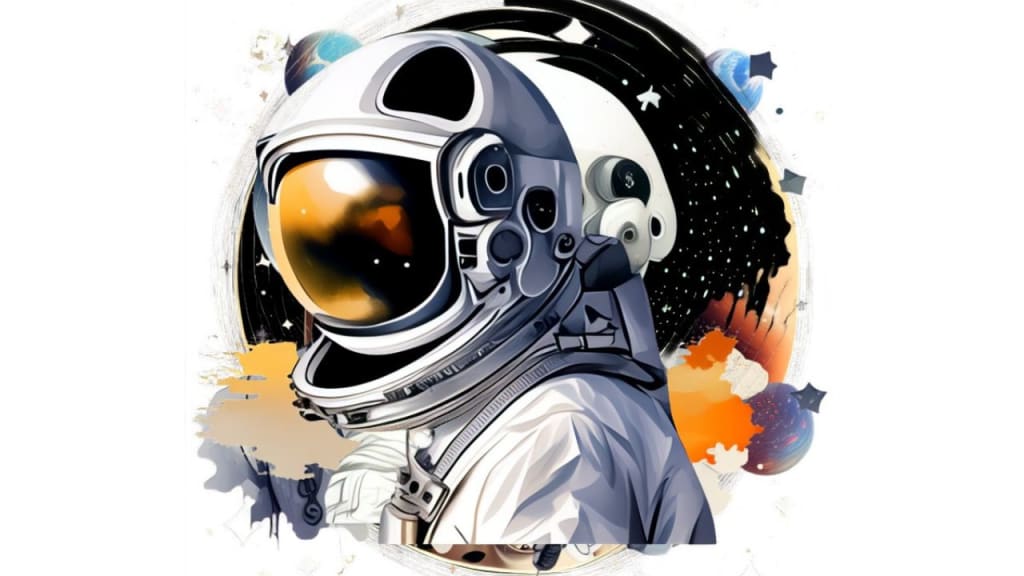
In the year 2124, the world as we know it has transformed beyond recognition. Technological advancements have leaped forward at an unprecedented pace, revolutionizing every aspect of human life. A visitor from this future, Dr. Alina Reed, an eminent scientist and technologist, has traveled back to our time to share the extraordinary story of how humanity harnessed the power of artificial intelligence (AI) and other cutting-edge technologies to shape a new era of prosperity and innovation.
The Dawn of Artificial Intelligence
The story begins in the early 21st century, a time when AI was still in its infancy. Early AI systems were limited to specific tasks, such as natural language processing, image recognition, and data analysis. These rudimentary systems laid the groundwork for more sophisticated AI technologies. By the 2030s, AI had evolved significantly, with machine learning and deep learning algorithms becoming more advanced and capable of performing complex tasks with remarkable accuracy.
The Rise of Autonomous Systems
As AI continued to advance, the 2040s saw the emergence of fully autonomous systems. Self-driving cars became a common sight on the roads, drastically reducing traffic accidents and emissions. Autonomous drones were deployed for various purposes, including delivery services, agricultural monitoring, and disaster response. These systems were powered by neural networks that could process vast amounts of data in real-time, enabling them to make split-second decisions with human-like precision.
The Integration of AI in Healthcare
One of the most significant milestones in technological development was the integration of AI in healthcare. By the 2050s, AI-powered diagnostic tools and robotic surgeons had become the norm. These technologies revolutionized the medical field, enabling early detection of diseases, personalized treatment plans, and minimally invasive surgeries. AI algorithms could analyze medical records and genetic data to predict potential health issues and recommend preventive measures, significantly improving patient outcomes and extending life expectancy.
The Quantum Computing Revolution
The late 21st century witnessed another groundbreaking development: the advent of quantum computing. Quantum computers, leveraging the principles of quantum mechanics, could solve complex problems that were previously considered unsolvable by classical computers. This breakthrough had far-reaching implications across various industries, including cryptography, material science, and drug discovery. Quantum AI systems could simulate molecular interactions with unprecedented accuracy, leading to the discovery of new materials and life-saving drugs.
The Evolution of Human-Machine Interaction
By the early 22nd century, the way humans interacted with machines had evolved dramatically. Natural language processing had advanced to a level where AI could understand and respond to human emotions and intentions. This led to the development of highly intuitive virtual assistants and AI companions that could engage in meaningful conversations and provide personalized support. Brain-computer interfaces (BCIs) became a reality, allowing humans to control devices and communicate with AI systems using their thoughts.
The Impact on Society and the Economy
The widespread adoption of AI and other technologies had profound effects on society and the economy. Many traditional jobs were automated, leading to significant changes in the labor market. However, this also created new opportunities in fields such as AI ethics, robotics, and data science. Governments and organizations invested heavily in reskilling and upskilling programs to ensure the workforce could adapt to the evolving landscape. Universal basic income (UBI) schemes were implemented to provide financial stability in an era of automation.
The Ethical and Philosophical Implications
With the rapid advancement of AI, ethical and philosophical questions became increasingly important. Issues such as privacy, security, and the potential for AI to surpass human intelligence sparked intense debates. The development of AI governance frameworks and international regulations ensured that these technologies were used responsibly and ethically. Dr. Reed emphasized the importance of maintaining a balance between innovation and ethical considerations to ensure that AI benefits all of humanity.
The Future: A Harmonious Coexistence
As Dr. Reed concludes her story, she paints a picture of a future where humans and AI coexist harmoniously. AI has become an integral part of daily life, augmenting human capabilities and enabling new forms of creativity and expression. The collaboration between humans and machines has led to unprecedented advancements in science, art, and technology. This future is not without its challenges, but the lessons learned along the way have paved the path for a more equitable and sustainable world.
About the Creator
L . Rachid
I write various enjoyable and purposeful stories, that immerse you in the world of thought and narrative skill. You can follow all the new updates on my channel
Best regards
Keep reading
More stories from L . Rachid and writers in Fiction and other communities.
Rage
Content Warning: Domestic Violence, Assault Rage D. A. Ratliff “Who did this?” My voice echoed through the house. All I wanted was a cup of tea, but one of the twins, running through the house like maniacs, knocked it over. My nerves tingled, and every muscle in my body felt coiled like a spring. Survival seemed out of reach.
By D. A. Ratliff2 days ago in Fiction




Comments
There are no comments for this story
Be the first to respond and start the conversation.