


The church basement was dim, filled with the quiet murmurs of the support group. Some shared moments of pain and guilt; others offered words of encouragement and compassion. A few, like me, remained silent. I focused not on their words, but on their "auras," sensing a mixture of exhaustion, despair, and reflection. Only Jason, the group leader, felt different—empty, with an edge of trepidation.
I recognized the signs.
After the meeting, I lingered as others left. Alone, I approached Jason.
"I know what you're planning," I said.
His face shifted from confusion to despair.
"You can't stop me," he replied, turning away.
And so I told him about my twin brother—his struggles, his suicide, and the devastation left behind. I didn't mention the powers we'd shared from birth, or how he'd failed to prevent the emotions of others from consuming him. Instead, I told him about the wreckage he’d left in his wake: the mourning my family went through, the guilt, the spiral into alcoholism and toxicity that my parents had yet to recover from. I explained how suicide didn't end suffering; it just transferred it to those left behind.
Jason's aura remained mostly unchanged, but there was a tiny ray of warmth at the center now. Fragile, but there nonetheless. As he turned away again, I recognized the feeling: hope.
But hope was never enough.
The bullet from my Beretta M9 struck the back of Jason's skull, sending him crashing onto the snack table, cookies and coffee scattering in a mess of blood. Kneeling, I took his wallet and slid it into my purse next to my gun. His loved ones would mourn, but without the guilt, blame, or shame mine had suffered.
Quietly, I left the church, stepping into the cold night air, ready to find another family to help.
About the Creator
M Dannenfelser
Married Midwesterner who loves reading, writing, and cats.
Part-time daydreamer, full-time nerd.
Keep reading
More stories from M Dannenfelser and writers in Fiction and other communities.
The Unseen
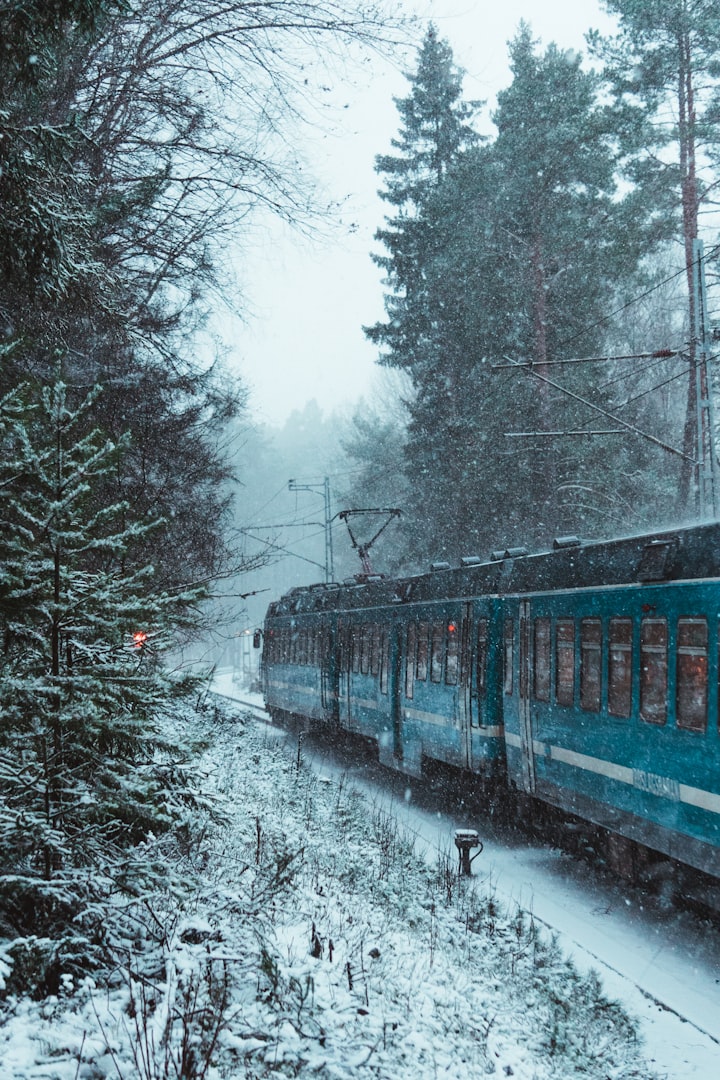
Julia's train sliced through the blizzard, a lifeline threading through the heart of a frozen wasteland. She was alone in her compartment, the rhythmic clatter of wheels on tracks a soothing, if monotonous, companion. Outside, the world was a blur of white, the storm obliterating any distinction between land and sky.
By M Dannenfelser2 years ago in Fiction
Unto The Child
I never knew what to say, so eventually I stopped saying anything. People accepted my silence so easily, as if they had forgotten they had ever heard my voice. Since I could reply, there was no need to hear the endless voices around me. I shut them out and met conversation and connection with silence and vacant stares. It didn’t take long for people to accept that, too. I was alone in the world, like a moving art piece. People saw me and moved along, recognizing I was not one of them. Understand without knowing that I couldn’t contribute on any level to the lives they were leading.
By Leah Suzanne Deweyabout 18 hours ago in Fiction
Tatt~Master
— Assembly Line Tatt Machine ~ Impressions to Impress — As I begin to understand more about the Tattoo Phenomenon. I've written silly, yet verbatim, dating site anecdotes in 'Frazzled.' So let me ask you: Would you be More attracted to someone slathered with tattoos, or Less?
By Jay Kantora day ago in Humor


Comments
There are no comments for this story
Be the first to respond and start the conversation.