
A Gateway to Imagined Worlds
Exploring the Boundless Horizons of Creativity and Storytelling.


Fiction, one of the most celebrated and diverse forms of storytelling, transports readers into worlds created from the imagination. It is the art of narrating stories that are not constrained by factual accuracy but instead thrive on creativity, fantasy, and the suspension of disbelief. From timeless classics to modern-day blockbusters, fiction spans countless genres and offers endless possibilities.
The Essence of Fiction:

At its core, fiction is a literary work that revolves around invented or fabricated stories. Unlike non-fiction, which aims to inform or educate based on real-life events and truths, fiction embraces the imaginative and speculative aspects of human thought. It reflects emotions, human experience, societal issues, and universal truths, but through characters, events, and settings that may or may not exist in the real world. Fiction allows writers to play with time, bend reality, and explore "what if" scenarios. In doing so, it can delve into realms of mystery, adventure, love, tragedy, and even the supernatural. By allowing the impossible or the improbable to flourish, fiction invites readers to journey through extraordinary experiences, pushing the boundaries of what we know.
The Power of Storytelling

Storytelling is an essential part of human culture. Through stories, we understand the world, express ourselves, and connect with others. Fiction, in particular, is a vehicle for exploring complex themes, societal challenges, and personal struggles in ways that resonate deeply with readers.
For example, dystopian fiction like George Orwell’s 1984 or Margaret Atwood’s The Handmaid’s Tale doesn’t just entertain—it critiques and questions societal norms and political systems. Similarly, science fiction like Isaac Asimov’s Foundation or Frank Herbert's Dune explores the future of humanity, ethics in technology, and the vast possibilities of life in the universe. Even the simplest love story or adventure novel taps into universal feelings of hope, fear, and joy, making it a reflection of the human condition.
The Many Faces of Fiction
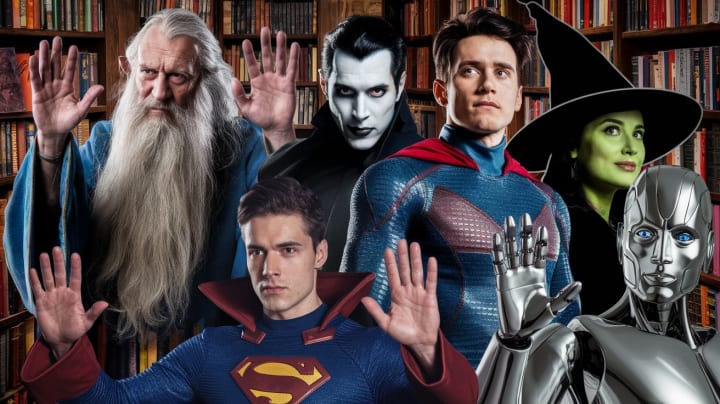
Fiction comes in many forms and genres, each offering a distinct flavor of storytelling. Some of the major genres include:
Literary Fiction: Focuses on the quality of writing and deep character development, often exploring complex social, political, or philosophical themes.
Science Fiction (Sci-Fi): Explores futuristic concepts, technology, space exploration, and often poses ethical questions about humanity’s future.
Fantasy: Set in imaginary worlds with magical elements, often featuring mythical creatures, enchanted lands, and epic quests.
Mystery: Involves suspenseful narratives where a detective or protagonist unravels secrets and solves puzzles, often revolving around crimes or unexplained events.
Romance: Centers on relationships and emotional entanglements, typically exploring themes of love, passion, and heartbreak.
Historical Fiction: Recreates events, eras, or periods of history, blending historical facts with imaginative storytelling.
Thriller: Packed with tension, excitement, and twists, thrillers are designed to keep readers on edge.
Horror: Explores fear, the unknown, and the supernatural, often tapping into deep-seated anxieties.
Beyond these primary genres, there are countless subgenres—psychological thrillers, paranormal romance, urban fantasy, and more—catering to every possible taste.
Why Fiction Matters
Fiction holds a unique place in both literature and culture because it not only entertains but also educates and enlightens. It allows readers to explore new perspectives, travel to unknown places, and walk in the shoes of people very different from themselves. By doing so, fiction fosters empathy and understanding, offering a mirror to our own lives and society while also providing an escape from reality.
Fiction also plays a pivotal role in addressing critical issues in society. By imagining alternate realities or exaggerating current trends, authors can critique, warn, or inspire change. Fiction can act as a tool for social commentary, raising awareness of political, ethical, or moral dilemmas in ways that non-fiction may not.
Conclusion
Fiction is a powerful form of expression that opens doors to new experiences, challenges perceptions, and invites introspection. Whether you're seeking adventure in far-off galaxies, unraveling the mysteries of a small town, or exploring the depths of human emotion, fiction has a story for you. Through its vast landscapes of imagination, fiction continues to captivate and inspire, reminding us that the possibilities are truly endless in the world of storytelling.
About the Creator
Jassica
I am Jassica! is a passionate article writer with a focus on literature, storytelling, and creative writing. Known for insightful analyses and clear, compelling writing, Jassica brings imagination and depth to every article



Comments (2)
wow amazing
I enjoyed your essay. You mentioned Isaac Asimov's Foundation series, which was the earliest Sci Fi series that I read as a young man. Truly epic storytelling. I read Dune as well but enjoyed Foundation more. I personally believe that all the genre's of fiction fall into a broader and much older category - that of storytelling. I consider myself first and foremost a storyteller rather than a writer. I learned the art of storytelling on my Grand Father's porch, when a story was as ephemeral as a feather or a whisper of the wind. Stories might be passed on or they might be forgotten. I write them to give them greater exposure and to preserve them. But they are stories whether written or otherwise.