
72 Days in the Death Zone: The Untold Story of the Andes Plane Crash
Trapped in ice, starving, and presumed dead how a group of strangers became legends of survival against all odds.

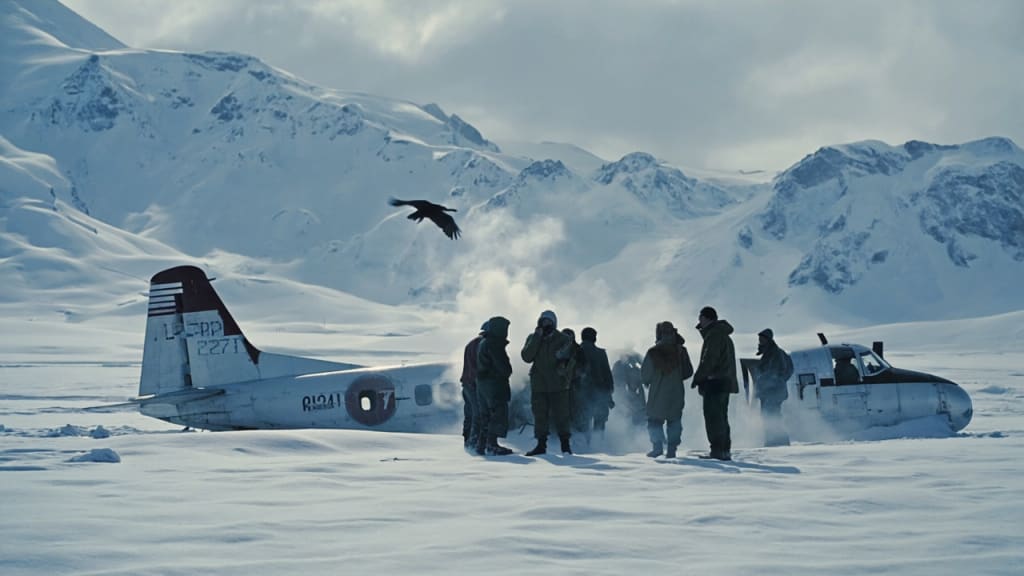
On October 13, 1972, the roar of the twin turboprop engines of Uruguayan Air Force Flight 571 echoed over the Andes Mountains. Aboard the military Fairchild FH-227D were 45 souls a mix of young rugby players from Montevideo, their friends, and family. They were bound for Santiago, Chile, where the Old Christians Club rugby team was scheduled to play an exhibition match.
The passengers were in high spirits. Laughter filled the cabin, a contrast to the ominous peaks rising below. But in mere hours, their journey would descend into one of the most harrowing survival stories in aviation history.
The Crash
Due to poor weather and a navigational error, the aircraft veered off course. Believing they had cleared the mountains, the pilots began to descend but they were still deep within the Andes. At 3:34 PM, the plane slammed into a mountain peak at 12,000 feet.
The impact tore the wings and tail from the fuselage. What remained skidded down a glacier like a bullet before crashing to a halt in a remote valley. Twelve passengers died instantly. The snow and ice swallowed the wreckage whole, cocooning the survivors in a freezing tomb.
The Nightmare Begins
The Andes are among the most unforgiving terrains on Earth. Daytime temperatures barely reached freezing, while nights plunged to -30°C (-22°F). At over 11,000 feet, oxygen was thin. The survivors many injured had no winter gear, no food beyond a few chocolate bars and wine bottles, and no way to signal for help.
They held onto hope when the radio announced a search had begun. But after eight days, the voice on the radio delivered a crushing blow: the search was called off. The world believed them dead.
Surviving the Impossible
Cut off from civilization, with no vegetation, animals, or even water beyond melted snow, they faced a grim reality. Hunger gnawed at them, weakening their bodies. After exhausting all supplies, they made a decision so horrific it would haunt them for life: they would survive by consuming the flesh of the dead.
“I had to go against everything my upbringing and religion taught me,” survivor Roberto Canessa would later say. “But it was about life or death.”
Each day was a test of endurance. Snow blindness, frostbite, broken bones, and infections ravaged the group. On Day 17, an avalanche buried the fuselage, killing eight more. Those who remained dug out with bare hands.
A Desperate Plan
After over two months in isolation, Nando Parrado and Roberto Canessa decided they would walk out — or die trying. With makeshift supplies, they climbed for ten days through steep, snow-laden mountains. Every step was agony. They crossed peaks with nothing but the stars to guide them, enduring starvation and exhaustion.
On December 20, they saw something miraculous: a man on horseback across a river. Too weak to shout, they wrote a message on paper, wrapped it around a rock, and threw it.
"I come from a plane that crashed in the mountains. I am Uruguayan. We have been walking for ten days. I have 14 friends who are still on the plane..."
The man galloped to raise the alarm. Within hours, the Chilean military launched a rescue operation.
Rescue and Revelation
On December 22, 72 days after the crash, helicopters reached the crash site. Only 16 of the original 45 had survived. The world was stunned by their story — and horrified by the revelation of cannibalism. But as the details emerged, sympathy replaced shock. The survivors were not monsters. They were heroes who did what they had to do.
Their return to Uruguay was met with mixed emotions: celebration, grief, and reflection. Families mourned the lost. Survivors struggled with guilt. Yet, they also became symbols of resilience, determination, and the human spirit’s will to live.
Legacy
Books, documentaries, and films followed — most famously the 1993 movie Alive. But no dramatization could fully capture the raw, freezing terror of those 72 days, nor the strength it took to overcome them.
Today, the story of Flight 571 is studied in survival psychology, ethics, and even business leadership courses. The lessons are brutal, but unforgettable: that in the most desperate circumstances, the unthinkable becomes possible — and that hope can survive even in the silence of the snow.
About the Creator
Miss Persephone's Manual to a Seemingly Ordinary Life
Miss Persephone was found at the dining table, her blue eyes swollen, her tears arriving and retreating like the tides of the ocean. Earlier that day, her family had visited her in the retirement home where she had lived for eight years. It was her eightieth birthday.
By Imola Tóth4 days ago in Fiction




Comments
There are no comments for this story
Be the first to respond and start the conversation.