
2030: A Glimpse Into the Future
How Technology, Sustainability, and Innovation Shape Our World in Five Years

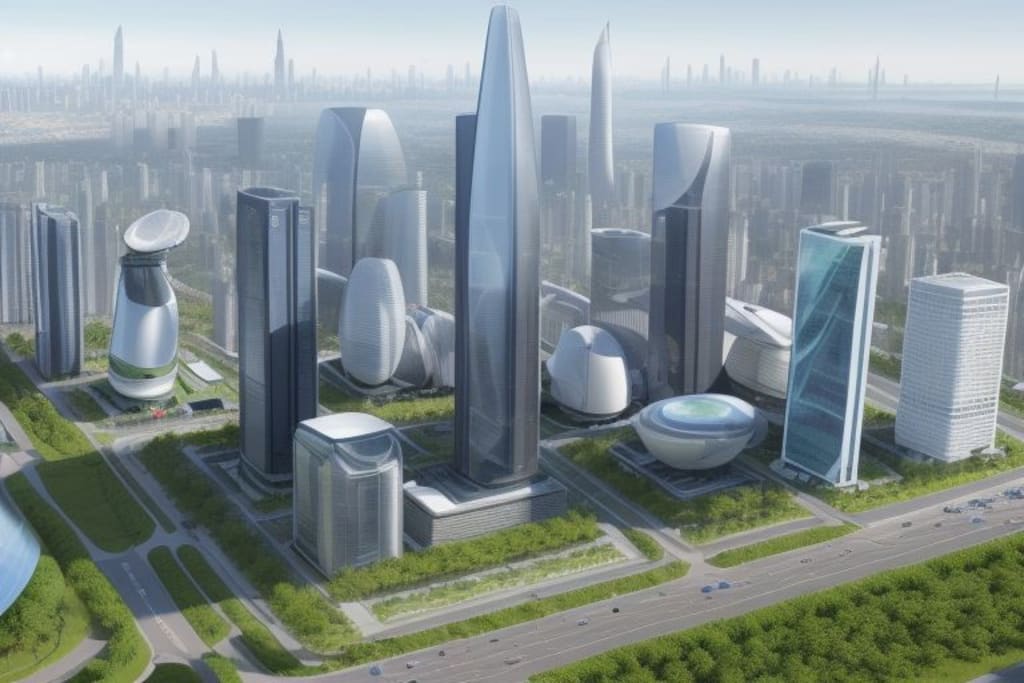
The World in Five Years: A Vision of 2030
Predicting the future is a challenging task, but by analyzing current trends, we can envision a plausible world five years from now. As technology, society, and the environment evolve, they shape a future defined by innovation, adaptation, and resilience. By 2030, the world could look significantly different in various areas, including technology, the workplace, healthcare, and the environment.
Technology: A Seamless Integration
In 2030, technology will likely be more seamlessly integrated into everyday life. Artificial intelligence (AI) and machine learning will continue to revolutionize industries, from healthcare and education to transportation and entertainment. Smart devices will become more intuitive, with advanced AI assistants capable of anticipating needs, personalizing services, and managing complex tasks autonomously.
The rise of augmented reality (AR) and virtual reality (VR) will transform how we interact with digital content. AR glasses could replace smartphones, overlaying information on the real world, while VR will redefine entertainment, gaming, and remote work by providing immersive environments for collaboration and creativity.
Quantum computing, though still in its infancy, may start delivering breakthroughs in fields like cryptography, materials science, and drug discovery, solving problems previously thought insurmountable.
The Workplace: Hybrid and Human-Centric
The global shift toward hybrid work models, accelerated by the pandemic, will solidify as the norm by 2030. Offices will evolve into collaboration hubs, designed for creativity and teamwork rather than routine tasks, which will be automated. Remote work will remain a vital component, supported by enhanced digital tools that ensure seamless communication and productivity.
The gig economy is likely to expand, with more people embracing freelance and project-based work. This shift will require updated labor laws and social safety nets to protect workers in non-traditional employment arrangements.
Moreover, there will be a greater emphasis on reskilling and lifelong learning as automation replaces repetitive jobs. Educational systems and employers will collaborate to ensure that workers are equipped with the skills needed for emerging industries.
Healthcare: Personalized and Preventive
Advances in medical technology will usher in an era of personalized and preventive healthcare by 2030. Wearable devices and health apps will continuously monitor vital signs, offering real-time insights into individual health. AI-driven diagnostic tools will enable early detection of diseases, while telemedicine will make healthcare accessible to more people, especially in remote areas.
Gene-editing technologies like CRISPR could lead to breakthroughs in curing genetic disorders and tailoring treatments to an individual’s DNA. Regenerative medicine, including lab-grown organs and tissue engineering, may address organ shortages and enhance recovery outcomes.
Global efforts to combat pandemics and improve public health will likely continue, driven by lessons learned from COVID-19. Collaboration between nations and organizations will strengthen systems for disease surveillance, vaccine distribution, and emergency response.
Environment: Balancing Progress with Sustainability
By 2030, the urgency of addressing climate change will push nations and industries toward more sustainable practices. Renewable energy sources like solar, wind, and hydroelectric power will dominate energy production, reducing reliance on fossil fuels. Innovations in battery technology will improve energy storage, enabling a more reliable and efficient grid.
Cities will adopt smart infrastructure to minimize waste, optimize energy use, and promote sustainable urban living. Vertical farming and lab-grown food will address food security challenges while reducing the environmental impact of traditional agriculture.
Global efforts to protect biodiversity and restore ecosystems will gain momentum, with governments, corporations, and communities working together to combat deforestation, ocean pollution, and species extinction.
Society: Greater Connectivity, New Challenges
By 2030, the world will be more connected than ever, but this connectivity will bring both opportunities and challenges. Social media will continue to shape public discourse, though efforts to combat misinformation and promote digital literacy will be critical.
Cultural exchange will flourish as technology bridges geographical divides, fostering understanding and collaboration among diverse communities. However, issues like digital privacy, cyber threats, and the ethical implications of AI will demand careful regulation and global cooperation.
Inequality—whether economic, social, or technological—will remain a pressing concern. Addressing these disparities will require systemic changes, including equitable access to education, healthcare, and technology. Empowering marginalized communities and prioritizing inclusivity will be essential for building a fairer society.
A Hopeful Outlook
While the future is uncertain, the potential for progress is immense. Humanity’s ability to innovate and adapt will be key to overcoming the challenges of the next five years. Collaboration across borders, disciplines, and ideologies will enable us to harness the power of technology, protect our planet, and create a more equitable world.
By 2030, the world could be a place where technology enhances human potential, sustainability guides development, and compassion drives societal change. The road ahead may be complex, but with determination and cooperation, we can navigate it toward a brighter and more harmonious future.
About the Creator
Raul Claudiu
I m a dreamer
Keep reading
More stories from Raul Claudiu and writers in Fiction and other communities.
The Journey Within: Exploring Faith and Spirituality
Faith and Spirituality: A Journey Within Faith and spirituality are two intertwined dimensions of human existence that often guide individuals toward a deeper understanding of themselves and their place in the universe. While faith is frequently associated with belief in a higher power or adherence to religious teachings, spirituality is broader, encompassing the search for meaning, connection, and transcendence. Together, they shape our values, influence our decisions, and provide solace in challenging times.
By Raul Claudiuabout a year ago in Motivation
A Love Forboding
The chipped stone slope caused unbearable footing. I slid, skirting on my heels. I cast my shield, relinquishing my guard to stay upright. Left with my double-edge and a prayer to the maker, I skated toward my objective. The earthly stubble gave way to solid ground. I found myself restored, a trail of dust in my wake.
By James U. Rizzia day ago in Fiction




Comments
There are no comments for this story
Be the first to respond and start the conversation.