
10 Historical Fiction Books That Will Make You Smarter!
With Reader Reviews
As we reflect on the past during late summer thunderstorms and the changing of seasons, we reached out to our bookworm community and asked them about the historical fiction books that taught them the most and why. Their responses left us eager to embark on a journey into the past in search of knowledge. Here is a curated selection of their recommended historical fiction books that will expand your horizons. We've included reader reviews and publishers' descriptions to give you a glimpse into each captivating story.
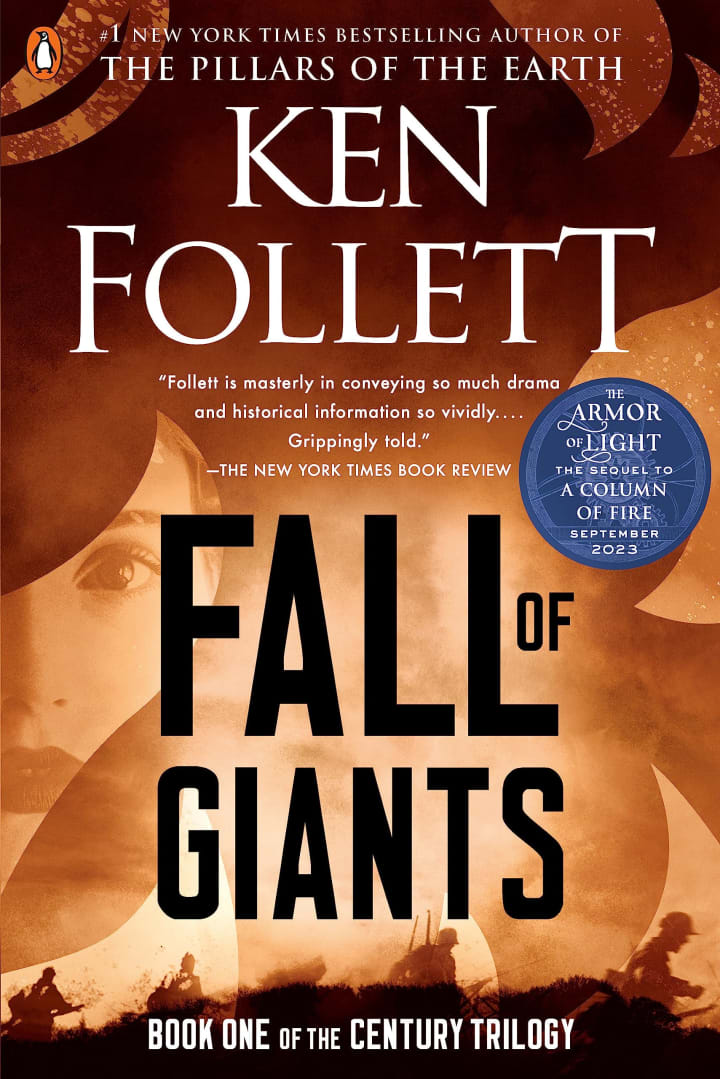
1. "Fall of Giants" by Ken Follett
Reader review: "Ken Follett’s Century Trilogy taught me so much about World War I and World War II. I really loved the first book, Fall Of Giants. It was my favorite because that is a time period I had very little knowledge of. I felt like I was there watching his story unfold. That series spurred my interested so much. I learned more than I ever learned in school."
Ken Follett's epic historical novel kicks off his Century Trilogy, following five interrelated families as they navigate the momentous dramas of the First World War, the Russian Revolution, and the fight for women's suffrage. This gripping tale takes you from Welsh mining pits to Woodrow Wilson's White House, from aristocratic households to the chaos of war, providing an immersive experience of the twentieth century's transformative events.
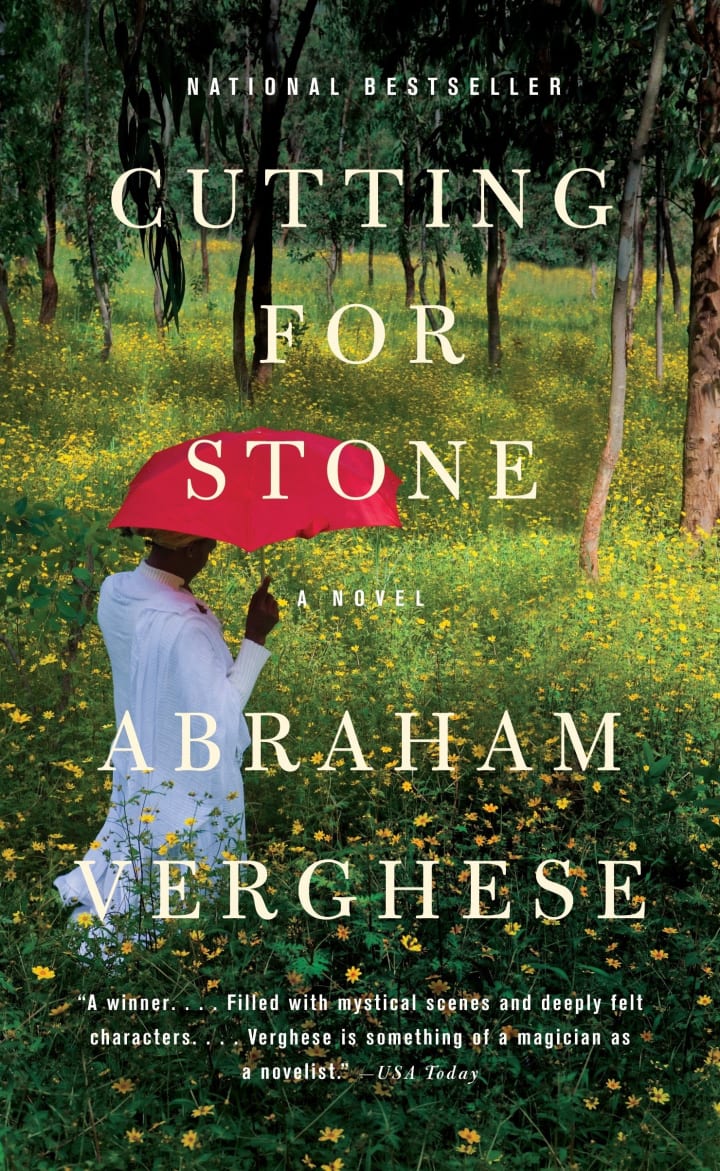
2. "Cutting for Stone" by Abraham Verghese
Reader review: "Cutting for Stone by Abraham Verghese taught me so much about Ethiopian culture. Before, I only knew it as a country in need of help."
Immerse yourself in the vivid world of Ethiopia through this beautifully written novel. Set in Addis Ababa, it tells the captivating story of twin brothers, born to an Indian nun and a British surgeon. As they navigate their personal and cultural identities, their lives become entangled with love, betrayal, and the practice of medicine. Abraham Verghese's masterful storytelling transports readers to a land rich in history and tradition.
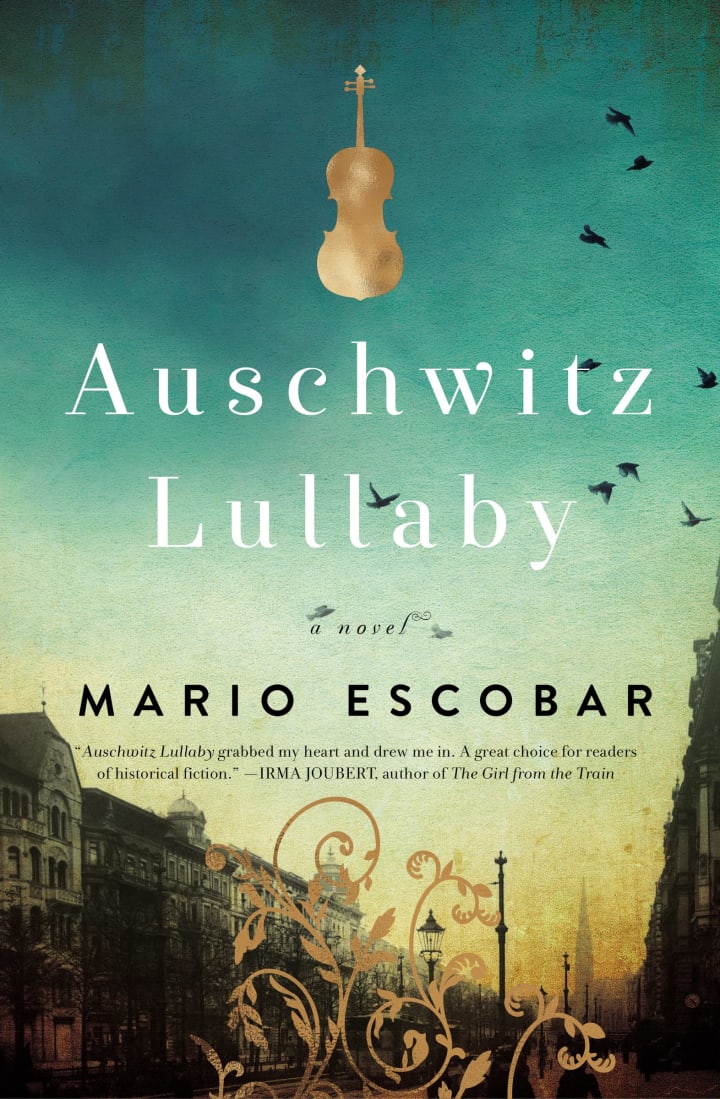
3. "Auschwitz Lullaby" by Mario Escobar
Reader review: "Auschwitz Lullaby taught me the value of life and our (sometimes boring) routines. We hardly pay attention to the minute blessings in our lives. Being grateful is itself a blessing."
Based on a true story, this gripping novel follows Helene Hannemann, a German woman who sacrifices everything for her family during the Holocaust. When her Romani husband and children are taken into custody by the SS, Helene, despite being German and safe, refuses to abandon them. Through Helene's harrowing journey in Auschwitz, Mario Escobar explores the power of sacrifice, the strength of the human spirit, and the profound impact of acts of kindness.
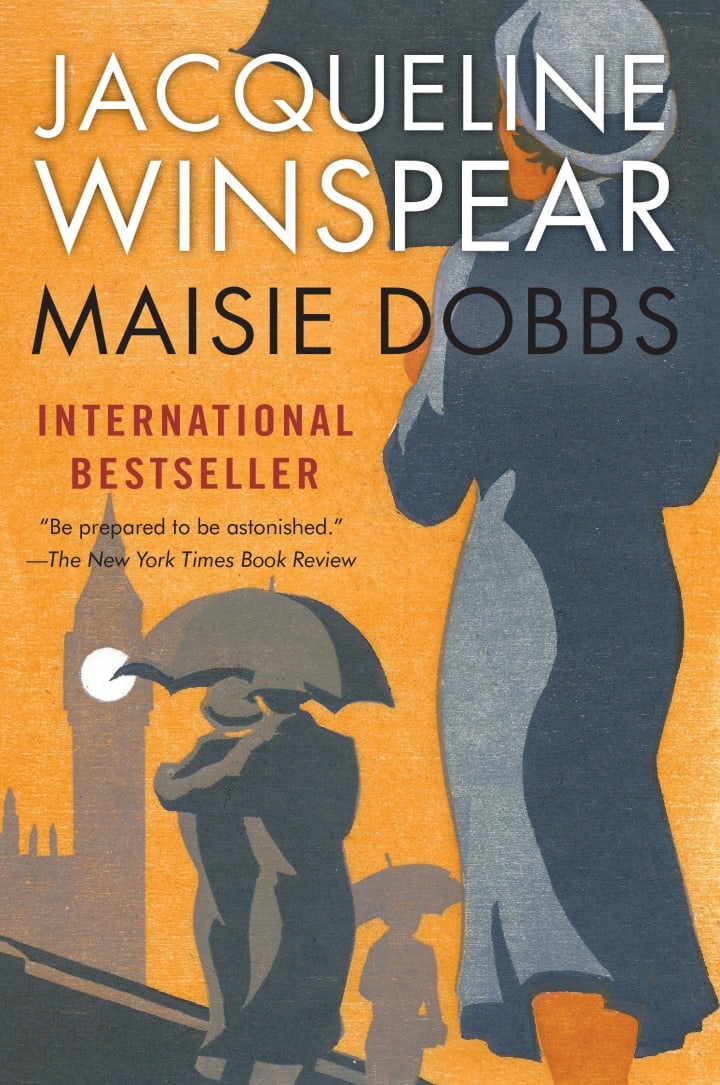
4. "Maisie Dobbs" by Jacqueline Winspear
Reader review: "Maisie Dobbs by Jacqueline Winspear taught me about the Great War — World War I. I never had a great interest in history until I read this book. I really learned a great deal by reading the entire series. The human nature side plus the history was very interesting. I am not easily impressed, so this is saying a lot."
Set in London during the aftermath of World War I, this compelling novel introduces Maisie Dobbs, a former maid who becomes a private investigator. Maisie's unique perspective as a woman and her deep empathy allow her to uncover the truth behind complex mysteries. Jacqueline Winspear's series delves into the impacts of war on society while exploring human nature and the resilience of the human spirit.
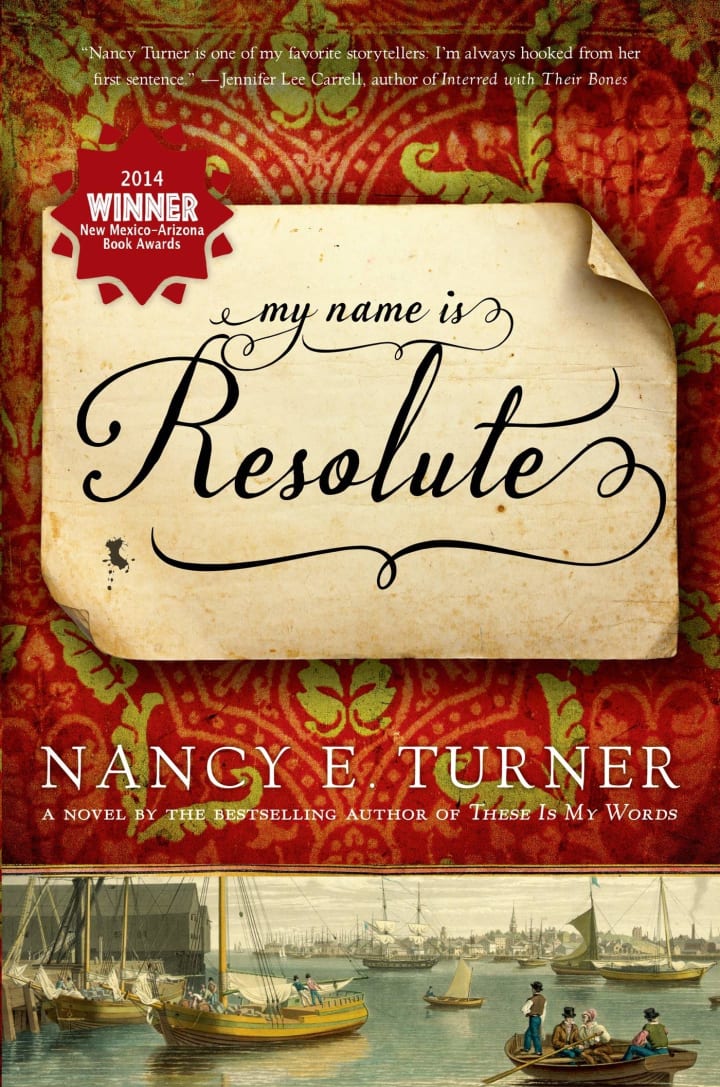
5. "My Name Is Resolute" by Nancy E. Turner
Reader review: "I learned so much about the Revolutionary War. I come from Boston and really didn’t understand the history there until I read this book. It brought it all to life."
Set in the 18th century, "My Name Is Resolute" follows the captivating journey of Resolute Talbot, who is captured by pirates and sold into slavery in colonial New England. As she navigates the challenges of a society quick to judge a young woman without a family, Resolute becomes entwined in the events of the American Revolution. Nancy E. Turner weaves a tale of resilience, determination, and the untold stories of the brave women who played a role in shaping history.
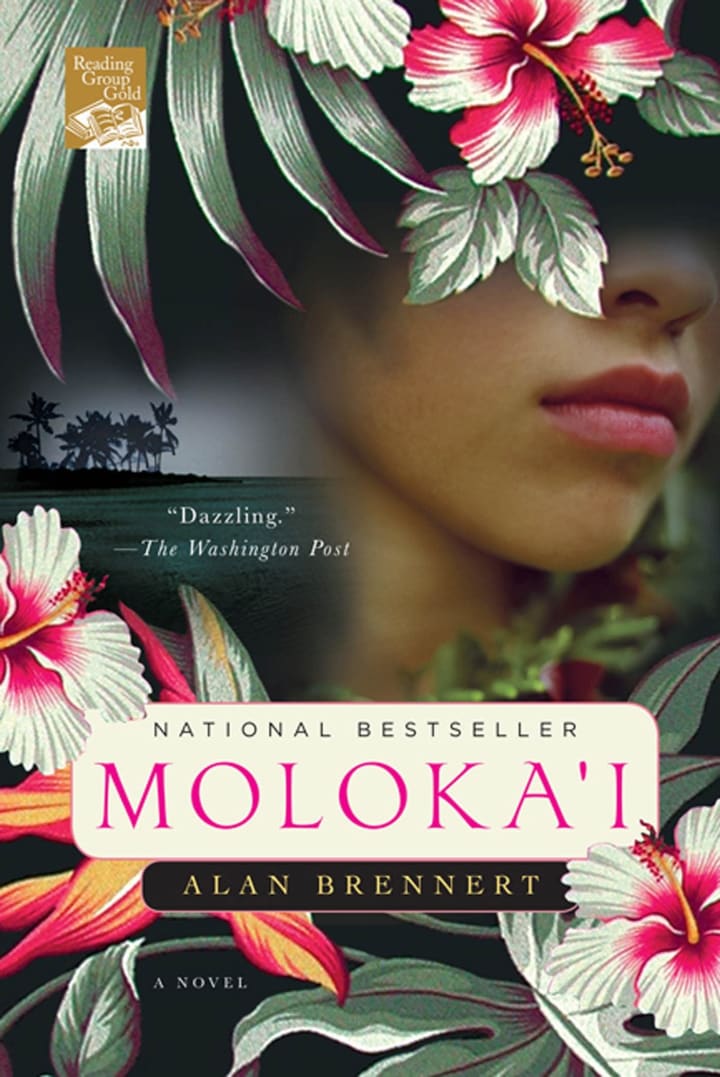
6. "Moloka’i" by Alan Brennert
Reader review: "Moloka'i gave me an inside vision of the lives of people living in Hawaii who developed Leprosy in the early 1900s. As a nurse, I really enjoyed the detailed and accurate descriptions of treatments that were performed. I was so emotionally moved by the life of a seven-year-old girl who is taken from her family and the challenges she faced. Great book!"
Set in early 20th century Hawaii, "Moloka'i" tells the story of Rachel Kalama, a young girl who is forcibly removed from her family due to her leprosy diagnosis and sent to the isolated leper colony of Kalaupapa. Alan Brennert's poignant novel explores themes of resilience, love, and the indomitable spirit of those affected by a devastating disease. Through Rachel's experiences, readers gain a deep understanding of the human capacity to find strength and beauty even in the face of immense challenges.
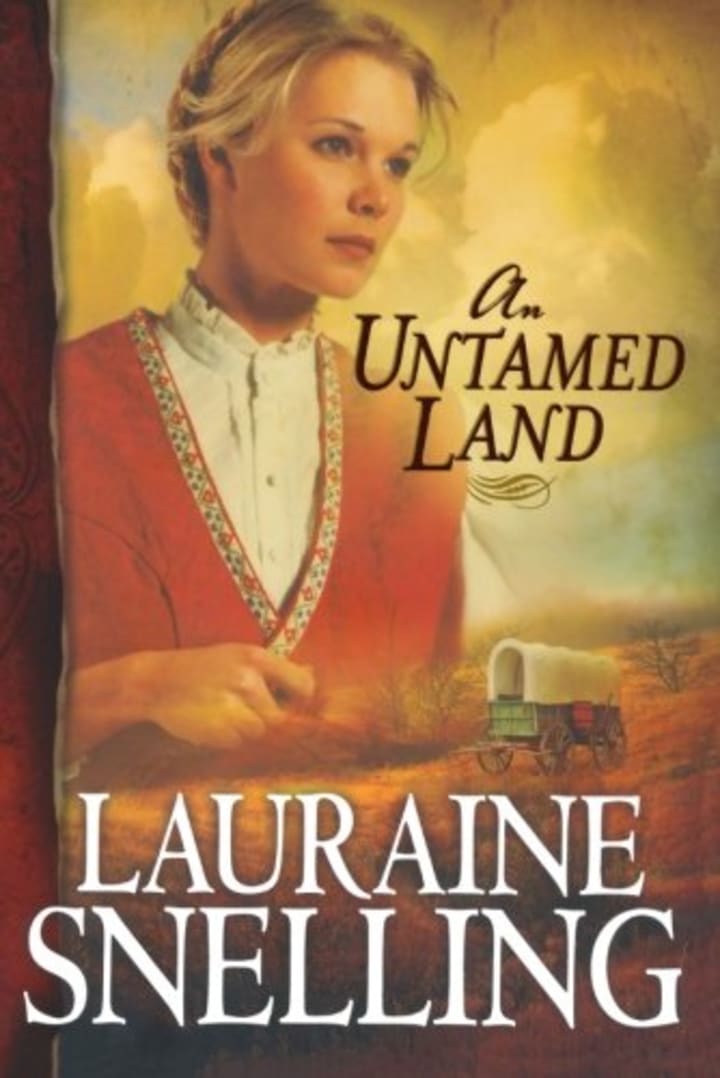
7. "An Untamed Land" by Lauraine Snelling
Reader review: "Lauraine Snelling's Red River of the North series taught me more about emigrant ancestors and the struggles they endured... She not only [spoke] of the hard work, but also how they struggled together to better themselves. I believe after reading all the books in this ongoing series, I could actually make cheese as it was explained!"
In "An Untamed Land," Roald and Ingeborg Bjorklund, along with their son Thorliff, leave their home in Norway to pursue a new life in America in the late 19th century. Settling in Dakota Territory, they face the harsh realities of the untamed land and the challenges of building a prosperous future. Lauraine Snelling's immersive storytelling sheds light on the struggles, dreams, and resilience of emigrant pioneers as they strive for a better life in a new world.
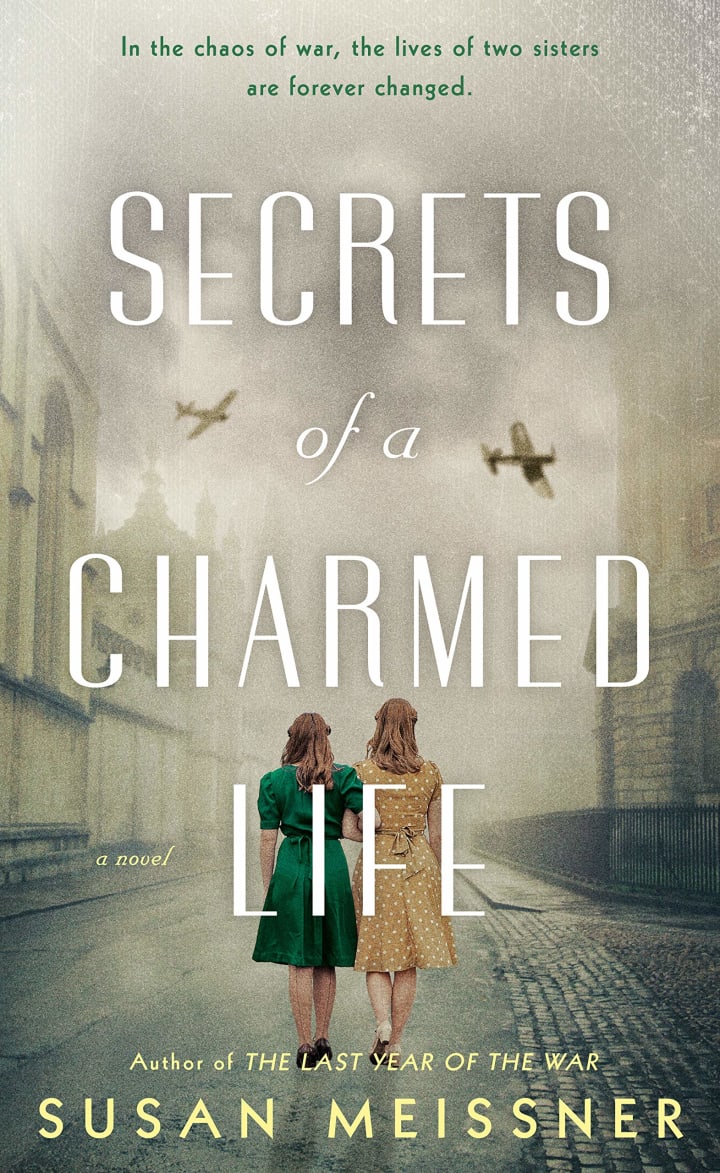
Reader review: "The first historical fiction novel I remember reading was Secrets of a Charmed Life by Susan Meissner. I just remember thinking how strong our previous generations were, how much they endured — and for those that survived, how they somehow went on to live productive lives. I'm not referring to one specific generation or country or culture. I think life in general, for most modernized countries, has improved so much since World War II."
Set in Oxford, England, "Secrets of a Charmed Life" follows Kendra Van Zant, an American scholar who interviews Isabel McFarland, an elderly woman ready to reveal the secrets she has kept about her experiences during World War II. The novel seamlessly weaves between the present and the 1940s, exploring the lives of two sisters during the London Blitz and the profound impact of their choices. Susan Meissner's evocative storytelling invites readers to contemplate the resilience of the human spirit and the lasting effects of war.
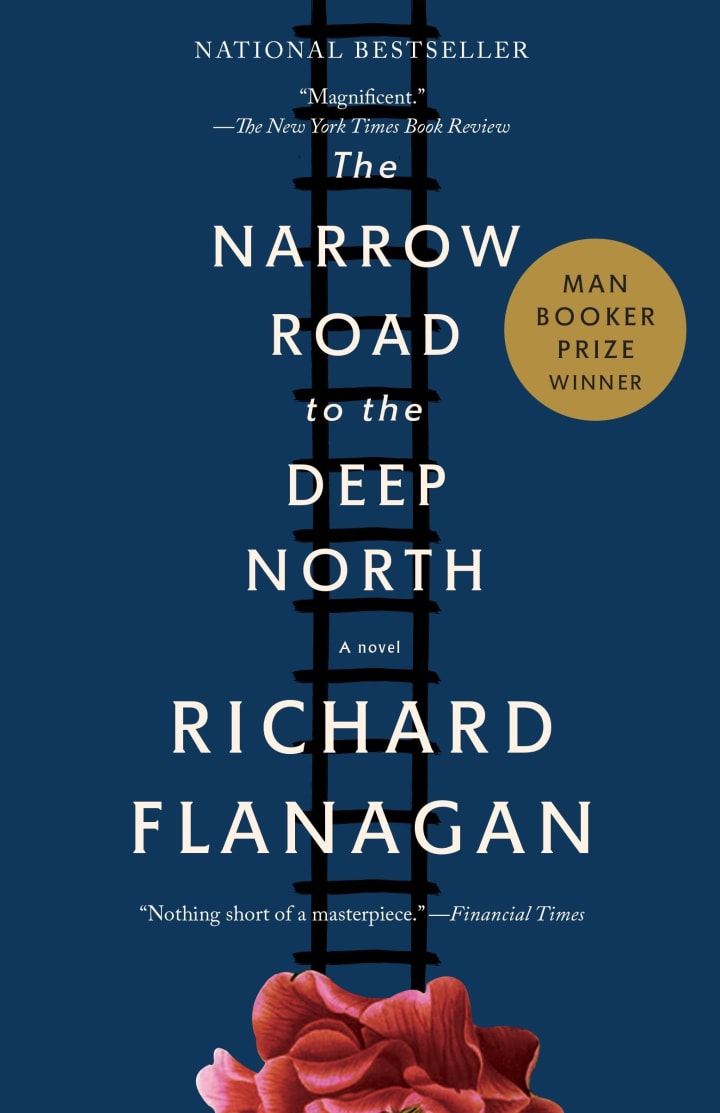
9. "The Narrow Road to the Deep North" by Richard Flanagan
Reader review: "One of my all-time favorite books is The Narrow Road to the Deep North by Richard Flanagan. The book is based on his father's experiences as a POW in Japan helping to build the Burma Death Railway. The protagonist in the book is a doctor in Japan trying to keep his fellow POWs alive while building the railway. He is also passionately in love with his uncle's younger wife but engaged to the woman that would become his wife and will do anything to hold on to him. A war story and a love triangle combined. Both are heartbreaking."
Set during World War II, "The Narrow Road to the Deep North" portrays the life of Dorrigo Evans, an Australian surgeon held as a prisoner of war by the Japanese. Richard Flanagan's powerful narrative delves into themes of love, courage, and the enduring impact of war. Through Dorrigo's harrowing experiences, the novel explores the complexities of human relationships and the moral dilemmas faced in extraordinary circumstances.
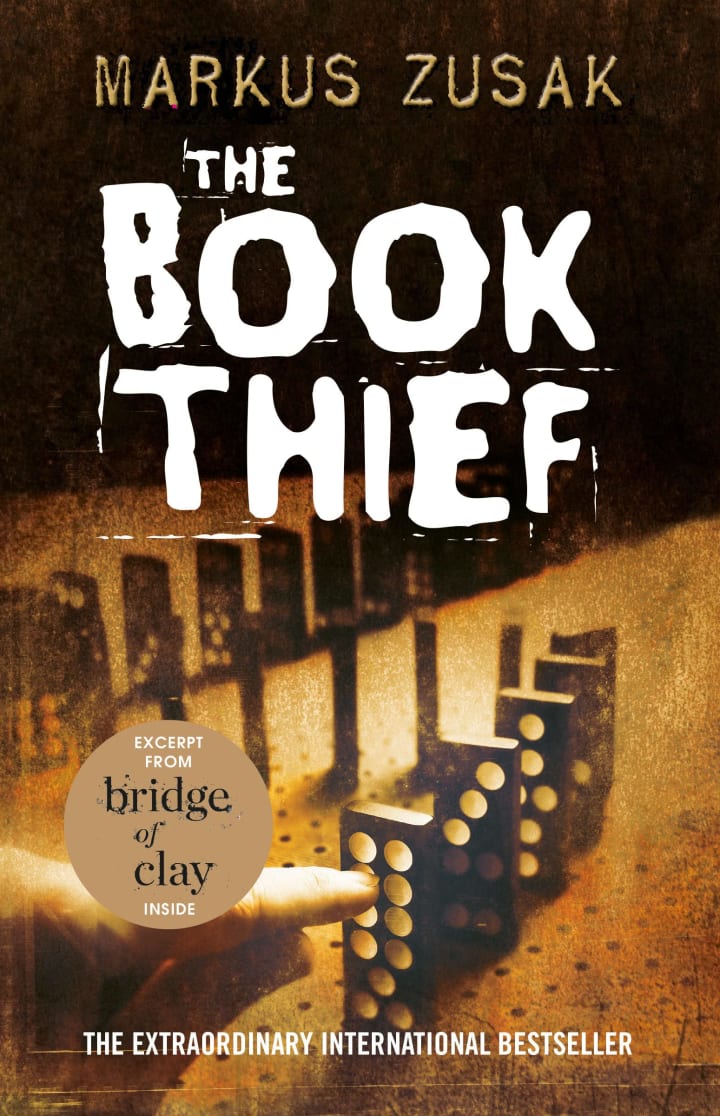
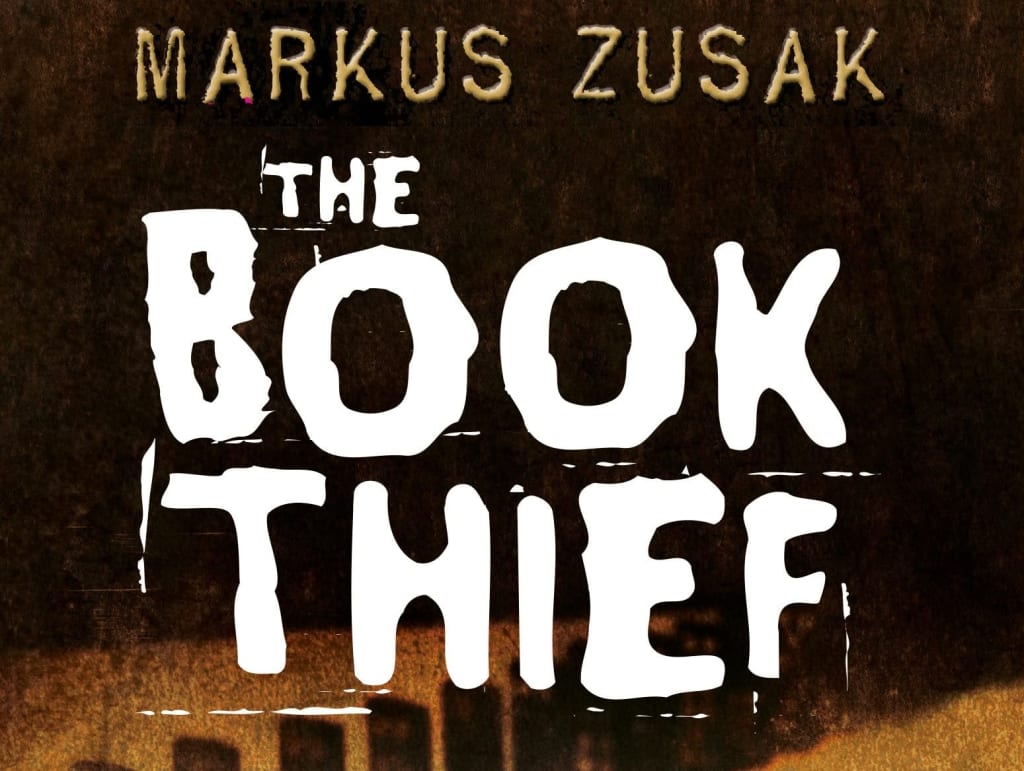
10. "The Book Thief" by Markus Zusak
Reader review: "The Book Thief" by Markus Zusak is a profoundly moving and beautifully written novel set in Nazi Germany during World War II. With Death as the narrator, it explores the power of words, love, and resilience in the face of tragedy. This book touched my soul and reminded me of the enduring power of literature. Highly recommended for a powerful and emotional reading experience.
Set in Nazi Germany, "The Book Thief" is a poignant and unforgettable story narrated by Death. It follows Liesel Meminger, a young girl who finds solace in books amidst the turmoil of war. Markus Zusak's lyrical prose and unique perspective offer profound insights into the power of words, the resilience of the human spirit, and the endurance of hope even in the darkest times.
These are just a few examples of the historical fiction books recommended by our readers. Each of these stories provides an opportunity to learn about different eras, cultures, and human experiences. Whether you're interested in World War history, exploring diverse cultures, or seeking emotional and thought-provoking narratives, these books offer a chance to delve into the past and emerge with a deeper understanding of the world. Happy reading!
About the Creator
NovelNest Books
Book Recommendations
Keep reading
More stories from NovelNest Books and writers in Fiction and other communities.
11 Reese Witherspoon Book Club Picks
Reese Witherspoon has made a name for herself not only as an accomplished actress but also as an avid reader and book lover. With her book club, she has introduced readers to a wide range of compelling stories and talented authors. In this blog post, we'll explore 11 books recommended by Reese Witherspoon herself. So, grab your reading glasses and get ready to dive into these captivating reads!
By NovelNest Books3 years ago in Fiction
Pandora’s Burden
“My brother warned me to not accept gifts from the one who commissioned you,” said Epimetheus to the woman clad in silvery raiments standing at the entrance to the temple. Her silver tiara and the silver rings on her fingers and toes glinted in the firelight cast by torches set on either side of the doorway. Lingering in the shadows, beyond the reach of the flames as she was, he could not tell what she held in her hands. At first what appeared to be a box was perhaps a funerary urn, or maybe merely an apple.
By J. Otis Haasabout 4 hours ago in Fiction
The Edge of Something
She kissed me. She kissed me, and I just stood there. I didn't understand what was happening until it was already over. Did I lean in? I don't know. She did — I know that much — because I would never have been the one to close the distance. I had only been thinking that I was having a nice time with a girl I met in class. A nice time. That's all.
By Eddamar González3 days ago in Fiction


Comments
There are no comments for this story
Be the first to respond and start the conversation.