
10 Ancient Mysteries You Might Not Know About—but Should
Know about The Devil’s Bible, Read Now

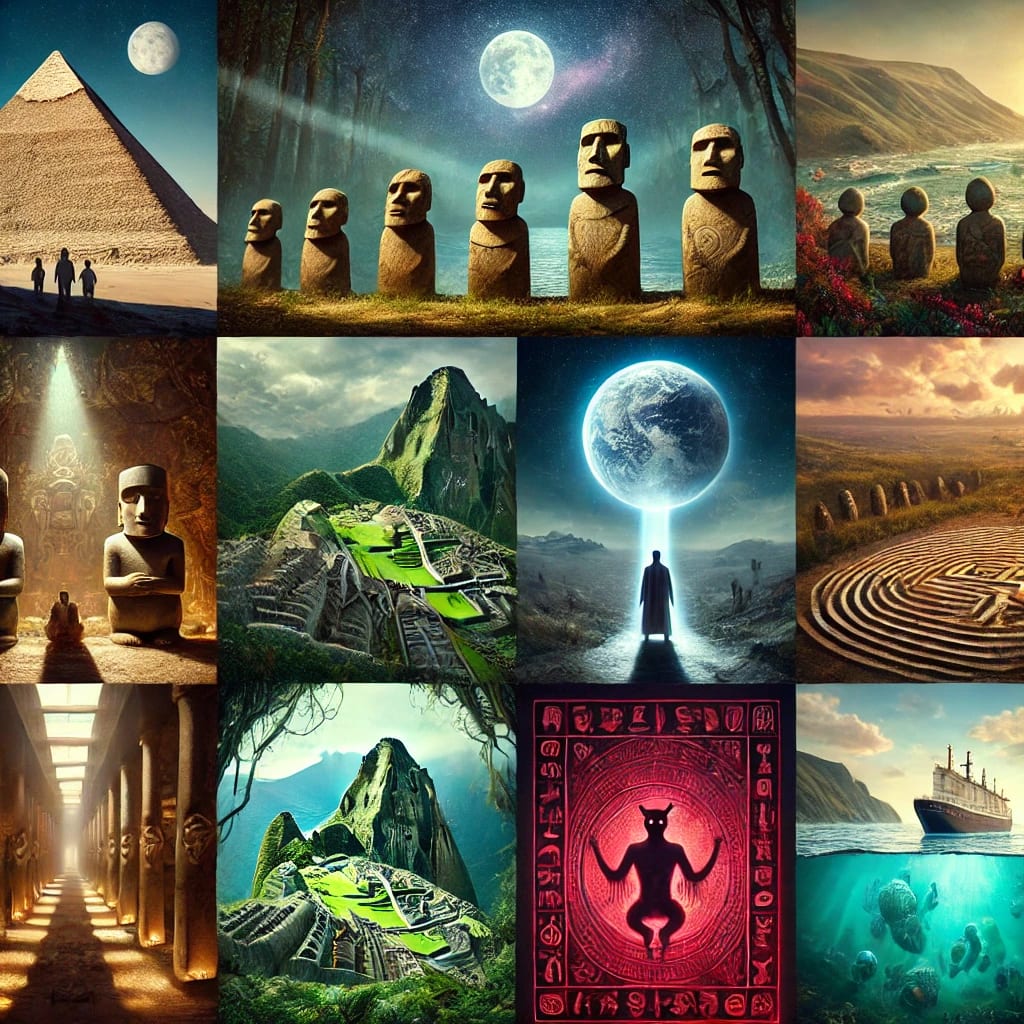
The world’s history is filled with remarkable enigmas that continue to baffle historians and scientists. Some of these puzzles have been partially unraveled, but many remain unexplained, offering glimpses into the ingenuity and mystery of ancient civilizations. Here's an in-depth look at 10 such mysteries.
1. The Hellenikon Pyramid
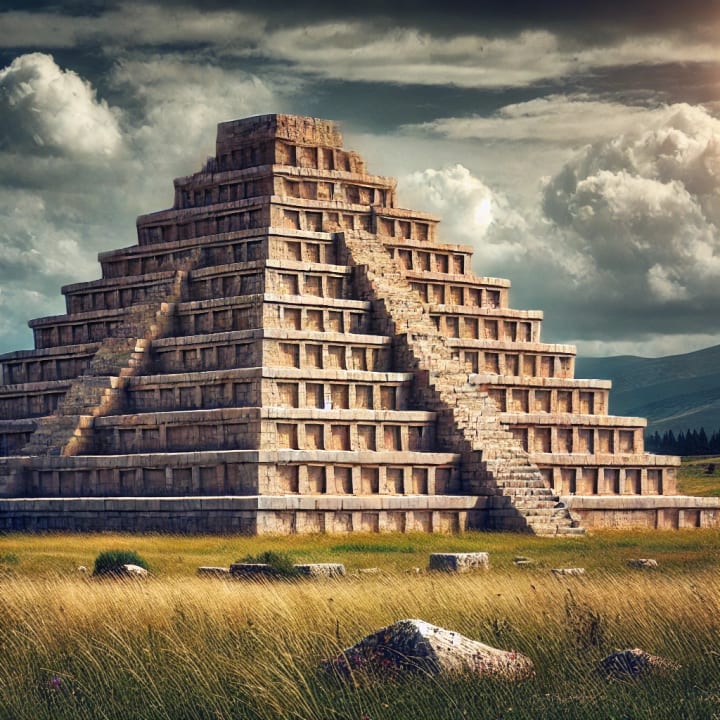
The Hellenikon Pyramid in Greece is a lesser-known monument, overshadowed by Egypt's pyramids. This ancient structure, built around 2700 BC, predates some of the Egyptian pyramids. Its purpose remains unclear. Some researchers believe it was a tomb, but no remains have been found. Others speculate it served as a ceremonial site or a waymarker. What makes this pyramid mysterious is its lack of clear historical references and the advanced precision of its construction.
2. The Rongorongo Writings
The Rongorongo script of Easter Island is a set of glyphs carved onto wooden tablets, potentially the only independent invention of writing in Polynesia. Despite numerous attempts to decipher the script, its meaning remains hidden. Some researchers think it could record genealogies, myths, or astronomical observations, but since no "Rosetta Stone" exists for these glyphs, their secrets remain locked away, representing a significant loss of cultural heritage.
3. The Nazca Lines
The Nazca Lines are enormous geoglyphs etched into Peru's desert floor, spanning hundreds of miles. These lines, some of which depict animals, plants, and humanoid figures, were created between 500 BCE and 500 CE by the Nazca culture. Theories about their purpose include astronomical markers, ceremonial pathways, or offerings to deities for water. The scale and precision of these lines are remarkable, especially considering they were made without aerial perspectives.
4. The Sajama Lines
In Bolivia, the Sajama Lines form a vast network of straight lines that stretch over 8,700 square miles, making them one of the largest artworks in the world. These lines are drawn across rugged terrain with astonishing precision. Despite their scale, little is known about their origin. Theories suggest they may have served as spiritual pathways or territorial markers, but no definitive explanation has emerged.
5. The Diquis Spheres
Scattered across Costa Rica, the Diquis Spheres are hundreds of perfectly round stone balls, ranging from a few inches to over six feet in diameter. Created by the Diquis culture between 700 and 1500 AD, their purpose is unknown. Some theories suggest they were used as status symbols, astronomical tools, or markers for significant locations. Their creation, with such perfect symmetry, challenges even modern stone-carving techniques.
6. The Hypogeum of Ħal Saflieni
The Ħal Saflieni Hypogeum in Malta is an underground necropolis dating back to 4000 BCE. This vast, labyrinthine structure consists of carved chambers, with one room exhibiting unique acoustic properties. Known as the "Oracle Room," sounds made here resonate throughout the entire complex. While it is assumed to have been a burial site and a ceremonial space, the exact cultural and spiritual practices associated with it are unknown.
7. Yonaguni Underwater City
Off the coast of Yonaguni, Japan, lies a mysterious underwater site featuring terraces, steps, and what appear to be streets and gates. Initially thought to be natural formations, some experts believe this site was constructed by humans over 10,000 years ago, before being submerged by rising sea levels. If true, this would push back the timeline for advanced human civilizations. The debate about whether it is man-made or a natural phenomenon continues.
8. The Bog Bodies
Preserved human remains found in Europe’s peat bogs are often thousands of years old. Many exhibit signs of violent deaths, with cuts, stab wounds, or strangulation marks. These "bog bodies" are so well-preserved due to the anaerobic conditions of the peat. Theories about their deaths range from ritual sacrifices to criminal punishments, reflecting complex social or religious practices.
9. The Sumerian King List
The Sumerian King List is an ancient text listing kings of Sumer alongside incredible claims, such as reigns lasting tens of thousands of years. This blending of myth and history presents challenges for historians. Some scholars believe the exaggerated lifespans signify divine legitimacy, while others think they reflect an oral tradition's mythic reinterpretation of real events.
10. The Devil’s Bible (Codex Gigas)
The Codex Gigas is a 13th-century manuscript, famous for its enormous size and the eerie full-page depiction of the Devil. Legend says it was written by a monk in a single night with supernatural help. It contains the Bible, medical texts, and spells, hinting at its purpose as an encyclopedia of knowledge. Its origins and the reason for the Devil’s image remain subjects of fascination.
These mysteries reflect humanity’s endless creativity and the gaps in our understanding of ancient civilizations. While technology and research provide insights, many of these puzzles remain unsolved, reminding us of the complexity of the human past.
About the Creator
David Andrews
Hi, I'm David A., I'm excited to explore topics that inspire, inform, and engage readers across different genres. I bring a blend of curiosity and creativity to my writing journey here on Vocal Media.
Keep reading
More stories from David Andrews and writers in Fiction and other communities.
Top 10 Christmas Movies to Watch Right Now
As the holiday season approaches, we want to take a moment to thank you for being part of our community. Christmas is a time for love, joy, and gratitude, and we’re grateful for the trust and time you’ve shared with us throughout the year.
By David Andrewsabout a year ago in Fiction
The Apple Gardener
Sally was ready to begin her compulsive schedule of doing an hour of work in the garden. Gardening is good for mental health. Gardening was her time to empty her mind. This was her time of meditation. She decided to do a 21-day challenge and journal her no-thoughts during mindful moving meditation. She noted the irony of this intention.
By Katherine D. Graham7 days ago in Fiction


Comments
There are no comments for this story
Be the first to respond and start the conversation.