
Youth Brazilian Jiu-Jitsu vs. Karate: Which One Is Better for Kids?
Comparing Two Popular Martial Arts to Find the Best Fit for Your Child

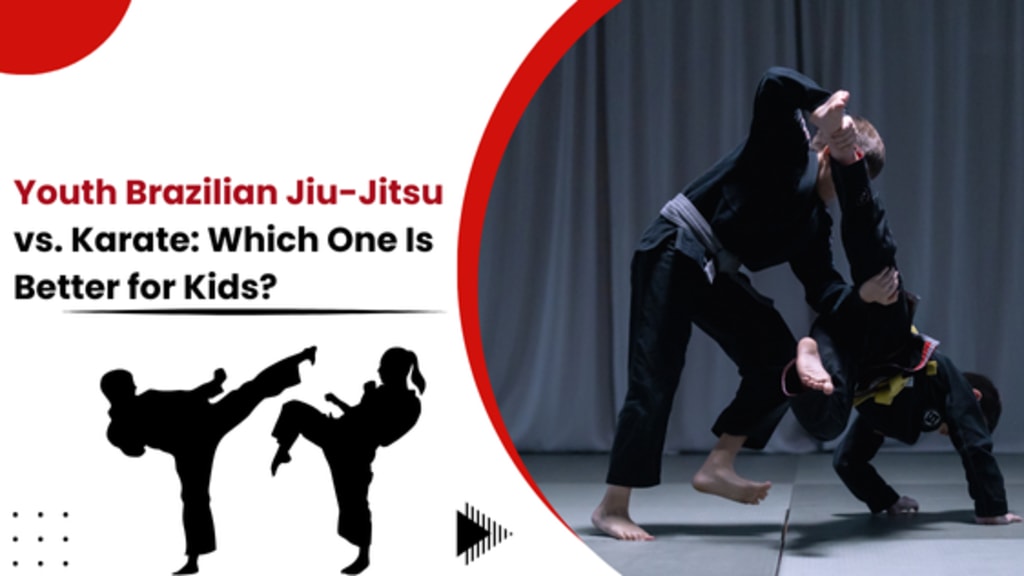
Parents looking to enroll their children in martial arts often find themselves deciding between youth Brazilian Jiu-Jitsu and Karate. Both disciplines offer valuable life skills, physical fitness, and self-defense techniques, but they differ in philosophy, training methods, and real-world application.
Choosing the right martial art depends on factors such as a child’s temperament, goals, and learning style. Should your child learn ground-based grappling techniques in youth Brazilian Jiu-Jitsu, or should they focus on striking and discipline through Karate? This article breaks down the key differences, benefits, and challenges of both martial arts to help parents make an informed decision.
1. Understanding the Core Principles of Each Martial Art
Youth Brazilian Jiu-Jitsu: The Art of Ground Fighting
Youth Brazilian Jiu-Jitsu (BJJ) is a grappling-based martial art that focuses on using leverage and technique rather than brute strength. It teaches children how to control opponents, execute submissions, and defend themselves without relying on striking.
- Focuses on takedowns, positional control, and submissions
- Encourages problem-solving and adaptability
- Designed for real-life self-defense situations
BJJ promotes confidence in smaller or less aggressive children because it teaches them how to neutralize stronger opponents.
Karate: The Art of Striking and Discipline
Karate is a striking martial art that emphasizes powerful punches, kicks, and defensive movements. It combines physical training with traditional values such as discipline, respect, and perseverance.
- Involves katas (forms), sparring, and self-defense drills
- Enhances focus, balance, and body coordination
- Builds mental discipline through structured training
Karate is a great choice for children who enjoy structured movements and learning set techniques for striking.
2. Safety Considerations: Which Martial Art Is Safer?
One of the biggest concerns for parents is safety. Both youth Brazilian Jiu-Jitsu and Karate have controlled environments, but the risk of injury differs.
BJJ: A Focus on Control and Tap-Out Safety
BJJ is generally considered safer because it does not involve high-impact strikes. Kids can tap out if they feel uncomfortable, reducing the risk of injuries like concussions or broken bones.
- No punches or kicks to the head
- Emphasizes technique over aggression
- Controlled sparring with tap-out rules
Karate: The Risk of Striking Injuries
Karate involves striking techniques, which increase the risk of injuries such as bruises, sprains, or even concussions if not properly controlled. However, most youth Karate programs use padded gloves and practice non-contact sparring to enhance safety.
- Potential for impact injuries from striking
- Safety gear helps minimize risk
- Encourages self-control and discipline in sparring
For children who prefer a non-striking self-defense system, youth Brazilian Jiu-Jitsu might be a safer option.
3. Self-Defense Effectiveness: Which Martial Art Works Best in Real Life?
BJJ: Ideal for Close Combat and Self-Defense
Youth Brazilian Jiu-Jitsu is highly effective for self-defense, especially in real-world scenarios where fights often end up on the ground. It teaches kids how to escape from larger opponents, use leverage, and stay calm under pressure.
- Helps smaller kids defend against bigger opponents
- Teaches escapes, joint locks, and control techniques
- Reduces reliance on brute strength
Karate: Effective in Stand-Up Fighting
Karate is useful for stand-up self-defense, teaching students how to strike, block, and counterattack. However, if a fight goes to the ground, a Karate practitioner might struggle against a trained grappler.
- Strengthens reflexes for striking and counterattacks
- Improves speed and agility in standing confrontations
- Less effective in ground-based fights
For real-world self-defense, youth Brazilian Jiu-Jitsu offers more practical solutions for handling confrontations where size and strength matter.
4. Physical Fitness Benefits: Which Martial Art Keeps Kids Active?
Both martial arts improve physical fitness, but they emphasize different aspects of conditioning.
BJJ: Enhances Strength, Flexibility, and Endurance
Youth Brazilian Jiu-Jitsu involves constant movement, positional control, and resistance training, which helps children develop core strength, flexibility, and cardiovascular endurance.
- Builds full-body strength and coordination
- Improves problem-solving under pressure
- Increases flexibility through grappling techniques
Karate: Improves Speed, Agility, and Balance
Karate focuses on explosive movements, balance, and precision. Children develop speed, flexibility, and muscle coordination through repetitive strikes and katas.
- Enhances balance and body control
- Strengthens leg and core muscles
- Develops fast reflexes for striking and dodging
For overall fitness, both youth Brazilian Jiu-Jitsu and Karate offer great benefits, but BJJ provides a more full-body workout due to its grappling nature.
5. Mental and Emotional Development: Which One Builds Confidence?
BJJ: Teaches Problem-Solving and Resilience
BJJ challenges kids mentally as they must think ahead and adapt during live sparring. It promotes resilience, patience, and confidence in overcoming challenges.
- Encourages adaptability and problem-solving
- Helps kids develop emotional control under pressure
- Fosters a strong sense of achievement through belt progression
Karate: Builds Discipline and Respect
Karate places a strong emphasis on discipline, respect for instructors, and following structured routines. It helps children build confidence through repetition and mastery of techniques.
- Reinforces respect for teachers and peers
- Strengthens focus and determination
- Encourages perseverance through belt ranking
Both martial arts contribute positively to a child’s mental growth, but youth Brazilian Jiu-Jitsu encourages adaptability and critical thinking through real-time problem-solving.
6. Commitment and Progression: Which One Keeps Kids Engaged?
BJJ: A Slow but Rewarding Journey
BJJ has a longer learning curve, and belt promotions take time. However, children stay engaged because every training session involves live practice, making progress feel tangible.
- Gradual belt promotions (fewer but more meaningful)
- Frequent opportunities for real-time sparring
- Engaging techniques that evolve over time
Karate: Structured Advancement with Frequent Promotions
Karate offers a more structured progression system with frequent belt tests, keeping kids motivated through visible achievements. However, some schools promote too quickly, reducing the value of higher ranks.
- Frequent belt promotions boost motivation
- Structured katas provide clear learning milestones
- The Traditional ranking system rewards dedication
For long-term engagement, youth Brazilian Jiu-Jitsu provides continuous challenges that keep kids motivated, while Karate’s structured approach may appeal to children who enjoy goal-setting.
Final Words
Both youth Brazilian Jiu-Jitsu and Karate offer unique benefits, making them excellent choices for children interested in martial arts. BJJ focuses on leverage, control, and problem-solving, making it ideal for real-world self-defense and confidence-building. Karate, on the other hand, emphasizes striking, discipline, and structured learning, which helps children develop focus and perseverance.
Ultimately, the best choice depends on your child's personality, interests, and long-term goals. If they enjoy grappling and strategy, youth Brazilian Jiu-Jitsu may be the right fit. If they prefer structured techniques and striking, Karate could be a better match. The best way to decide is to try both and see which one excites and motivates your child the most!
Read Our Recent Article- What Age Should Kids Start Children's BJJ? Expert Advice & Tips
About the Creator
Angela R. Taylor
Hey community I’m Angela R. Taylor With a deep passion for Brazilian Jiu-Jitsu, I coach students of all levels, focusing on technique, discipline, and personal growth.
Keep reading
More stories from Angela R. Taylor and writers in Families and other communities.
What Age Should Kids Start Children's BJJ? Expert Advice & Tips
Brazilian Jiu-Jitsu (BJJ) is a fantastic martial art for kids, teaching them discipline, confidence, and self-defense skills. But one of the most common questions parents ask is: At what age should kids start Children's BJJ? While there’s no universal answer, experts suggest that the right age depends on several factors, including physical development, emotional readiness, and individual interest.
By Angela R. Taylor11 months ago in Families
Wise~Guys
— Look Behind what's in Front of You ~ Make Good Choices — Hey, So how you Doin'..! Made~Men — Mobster Movies romanticise a distinctive, elegant appearance, impeccable attire style, along with the 'Families' expressive lingo. Making their 'Bones' gave them Panache — with vintage fedoras, tailored pin-striped suits, mirror-polished wing-tip shoes adorned with tassels; with their 'Gun Moll' gorgeous dates on their arms.
By Jay Kantor25 days ago in Families
Respecting Elders
Nini was a beautiful and intelligent little girl, but she had a very quick temper. She would argue and get angry over small matters. Her elder sister, Suzy, would gently advise her, saying, “You should respect elders, Nini. Don’t get angry unnecessarily, because such behavior is never appropriate.” However, Nini would listen with one ear and let it go out the other.
By Sudais Zakwan3 days ago in Families



Comments (1)
Thank you so much for being transparent about using AI 😊