
Yellowstone: A Natural Marvel and Conservation Triumph
The Birth of Yellowstone

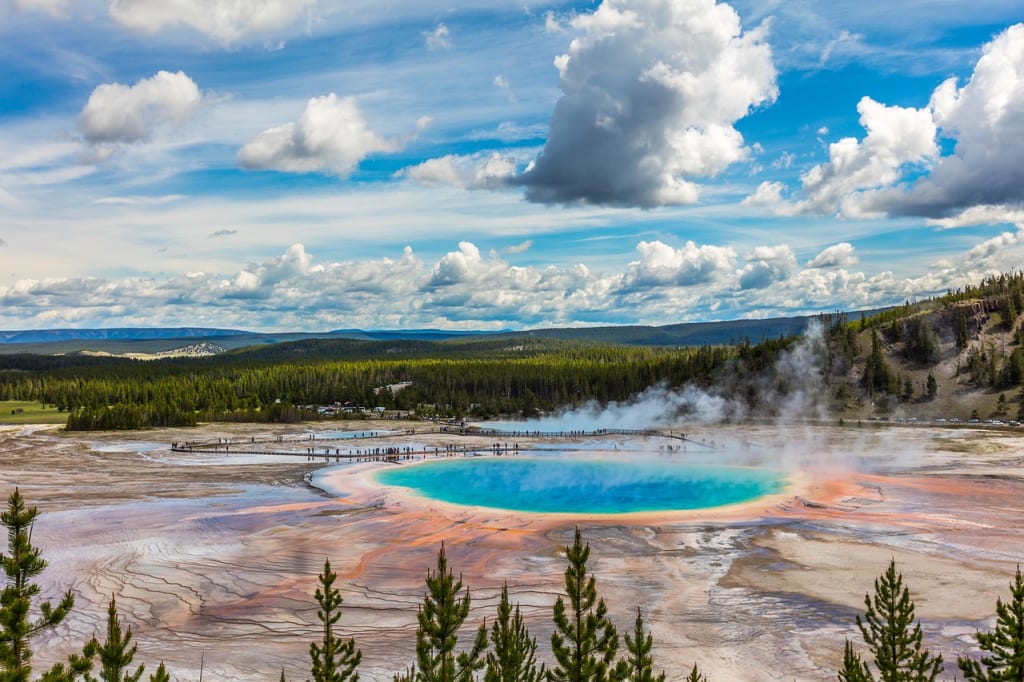
Yellowstone’s designation as the first national park in the world marked a pivotal moment in conservation history. Recognizing the need to protect this unique landscape from exploitation, the U.S. government set a precedent for future conservation efforts. President Ulysses S. Grant signed the Yellowstone National Park Protection Act into law on March 1, 1872, safeguarding the area’s natural features and wildlife for future generations.
Geothermal Wonders
One of Yellowstone’s most captivating features is its geothermal activity. The park sits atop a volcanic hotspot, which fuels its famous geysers, hot springs, and fumaroles. Old Faithful, perhaps the most renowned geyser, erupts with impressive regularity, shooting boiling water up to 180 feet into the air every 90 minutes. The Grand Prismatic Spring, with its striking rainbow-colored waters, is another geothermal marvel, showcasing the park’s vibrant geothermal activity.
The Yellowstone Caldera, a supervolcano, is responsible for much of the geothermal phenomena. Measuring approximately 30 miles by 45 miles, this caldera has experienced three major eruptions in the last 2.1 million years, shaping the landscape dramatically. While a major eruption is unlikely in the near future, the volcanic activity continues to influence the park’s ecosystem.
Rich Biodiversity
Yellowstone is a sanctuary for wildlife, offering a glimpse into ecosystems largely untouched by human activity. The park is home to the largest concentration of mammals in the lower 48 states, including iconic species such as grizzly bears, wolves, and herds of bison and elk. The reintroduction of wolves in 1995, after being eradicated in the early 20th century, stands as a significant success story. This move helped restore balance to the ecosystem, demonstrating the interconnectedness of species within this natural haven.
Birdwatchers are also in for a treat, with over 300 species of birds, including bald eagles, ospreys, and trumpeter swans, gracing the skies and waterways of Yellowstone. The park’s rivers and lakes teem with fish, supporting a complex web of life that extends from aquatic insects to large predators.
Conservation Efforts and Challenges
While Yellowstone is a beacon of conservation success, it faces ongoing challenges. Climate change poses a significant threat, impacting everything from the timing of snowmelt to the distribution of plant and animal species. Warmer temperatures and changing precipitation patterns affect the park’s delicate balance, leading to concerns about the long-term health of its ecosystems.
Invasive species also pose a threat to Yellowstone’s biodiversity. Non-native plants and animals can outcompete native species, disrupting the ecological equilibrium. Park management employs various strategies to combat these invasive species, including manual removal, biological controls, and public education efforts.
Visitor Experience
Each year, millions of visitors flock to Yellowstone to experience its natural wonders. The park offers a wide range of recreational activities, from hiking and camping to wildlife watching and geothermal exploration. Popular destinations include the Yellowstone Lake, the largest high-elevation lake in North America, and the Grand Canyon of the Yellowstone, with its stunning waterfalls and dramatic vistas.
Education and stewardship are central to the visitor experience in Yellowstone. The park’s interpretive programs and visitor centers provide valuable insights into the natural and cultural history of the area, fostering a sense of responsibility and appreciation for conservation efforts.
Conclusion
Yellowstone National Park is more than a natural wonder; it is a symbol of the enduring commitment to preserving our planet’s treasures. As we navigate the challenges of the 21st century, the lessons learned from Yellowstone’s conservation efforts serve as a guiding light. By continuing to protect and cherish this remarkable landscape, we honor the legacy of those who fought to preserve it and ensure that future generations can experience the awe-inspiring beauty of Yellowstone.
About the Creator
nadeem abdullah
My stories are not just about reading about other people's achievements; they are also about encouraging you to reflect on your own life experiences. I believe that our personal journeys hold valuable lessons that can inspire and guide us.
Reader insights
Nice work
Very well written. Keep up the good work!
Top insights
Eye opening
Niche topic & fresh perspectives
On-point and relevant
Writing reflected the title & theme
Keep reading
More stories from nadeem abdullah and writers in Families and other communities.
Effective Weight Loss Strategies: Unlocking the Secrets to a Healthier You
Losing weight is a goal shared by many, but achieving it requires more than just good intentions. It involves a combination of a balanced diet, regular physical activity, and lifestyle changes. This article will explore effective weight loss strategies that can help you reach your goals and maintain a healthier lifestyle.
By nadeem abdullah2 years ago in Families
Punch the Macaque: The Baby Monkey Who Found Comfort in a Plush Friend
Today we look back at one of the most unexpected viral stories of 2025—a tale that began quietly in a zoo in Japan and grew into a global symbol of resilience and tenderness. It is the story of Punch, a Japanese macaque born in July 2025 at Ichikawa City Zoo in Chiba Prefecture. His life began with hardship, but what followed has touched millions across the world.
By Haroon Pasha7 days ago in Families
A System That Isn’t Working Challenge Winners
Systems promise order. They organize behavior, distribute opportunity, and suggest that if everyone follows the rules, things will work. The entries in A System That Isn’t Working look closely at what happens when that promise begins to slip.
By Vocal Curation Team3 days ago in Resources




Comments (1)
Amazing contents