
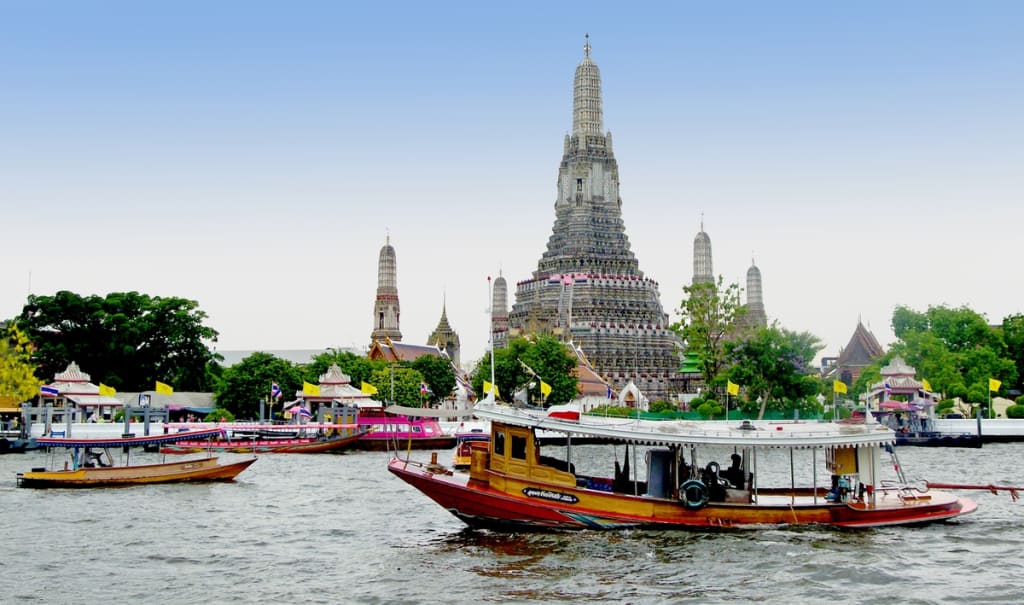
Thailand is a country that is talked about all over the world as one with almost anything a traveller desires. With a plethora of amazing landmarks, gorgeous landscapes, and mouth-watering cuisine, it is no wonder that Thailand is among the top ten most visited countries in the world. The capital of Thailand, which is Bangkok, follows suit in all these respects and more. While there is so much to see and enjoy, an important aspect that many travellers don’t consider is the timing of the visit. The best time to visit depends on a lot of things. From your tolerance for heat, rain, and crowds to your interest in festivals and travel bargains, here's how to decide what the perfect season in Bangkok is.
Understanding Bangkok’s Climate
Bangkok’s year in terms of climate is essentially divided into three primary seasons. The cool and dry season starts in November and goes up to February, while the hot season is from March to May. There is also a season of intermittent rain from May to October. The months between November and February have the most comfortable weather conditions for sightseeing, if this is what you enjoy. The city sits in a tropical zone, meaning it stays warm year-round, with average temperatures ranging between 25°C and 35°C. The changes that affect most are humidity and rainfall, both of which determine how enjoyable your time outdoors will be.
Cool and Dry Season (November to February)
This period is widely considered the best time to visit Bangkok, especially for anyone looking to enjoy outdoor fun. This is also the period where the temperatures are at their mildest, averaging around 26°C during the day and dropping ever so slightly at night. Humidity is also on the lower side, skies are clear, and a gentle breeze usually blows through the city, creating comfortable conditions for exploring landmarks like the famous Wat Arun, the Grand Palace and Chinatown’s night markets. November is also the time when the entire city seems to take on a festive energy. Many events and outdoor activities are planned during these months because of the predictable weather.
Crowds and Rates
The favourable weather also makes the period from November to February the peak tourist season. The hotels and airlines in the area are known to always experience full bookings, so securing accommodation early is highly recommended. Staying at a hotel in Sukhumvit area, for example, provides convenient access to things like public transport, helping you move easily even during busy holiday periods. One of the most standout choices of the lot is Avani Sukhumvit Bangkok, which is known to be in the perfect spot to connect to the BTS Skytrain, in turn allowing you to reach attractions without dealing with heavy road traffic.
Key Events
Some of the most anticipated events during the dry season include the Festival of Lights, known as Loy Krathong, which takes place in November. The locals follow a tradition of releasing floating baskets into waterways during this time. December brings the Christmas and New Year celebrations, where the city’s malls and rooftops light up with decorations and fireworks. January and February also get the Chinese New Year, when the famous Chinatown area becomes the centre of all the parades and activities. This combination of pleasant weather and cultural experiences makes late November to February the most rewarding period for travellers seeking a balanced experience.
Hot Season (March to May)
After a cool and dry period, the heat begins to intensify by March, which often reaches 35 °C or higher. The air in and around the city can feel heavy, particularly in the afternoons, but mornings and evenings remain manageable. Hydrating oneself as well as using some form of sun protection becomes quite essential. Many travellers take advantage of indoor attractions such as art galleries, shopping centres, spas and restaurants during the hotter hours. Around April is also when you will witness Songkran, Thailand’s famous Water Festival, celebrating the traditional Thai New Year. Streets transform into lively arenas of water splashing and dancing, making it one of the country’s most iconic experiences.
About the Creator
Keep reading
More stories from John Ashley and writers in Families and other communities.
Why Koh Lanta Is A Hidden Gem In Southern Thailand
Koh Lanta is a peaceful island in the Andaman Sea that is not as widely known as other Thai islands. It doesn't want to overwhelm you like Phuket or Koh Phi Phi do. Instead, it draws you in with its tranquil beaches, charming towns, and languid pace of life. If you want to slow down yet still have a lot to do, Koh Lanta is the perfect spot to go and here is why it’s a hidden gem.
By John Ashley3 months ago in Families
I was in a Toxic Relationship, with my Workplace
“You got that?” My ex yelled. His hands were balled into fists at his side. At six foot three, he towered over me. A normal person would have been afraid, but I looked up a video of George Lopez repeatedly saying, “I got this,” and showed it to him. I had grown used to this treatment, so much so that I didn’t blink when he ripped the phone from my hand and threw it across the room.
By Jade M.5 days ago in Confessions



Comments
There are no comments for this story
Be the first to respond and start the conversation.