
Why Montessori Learning Is the Best Choice for Your Child?
Montessori Learning
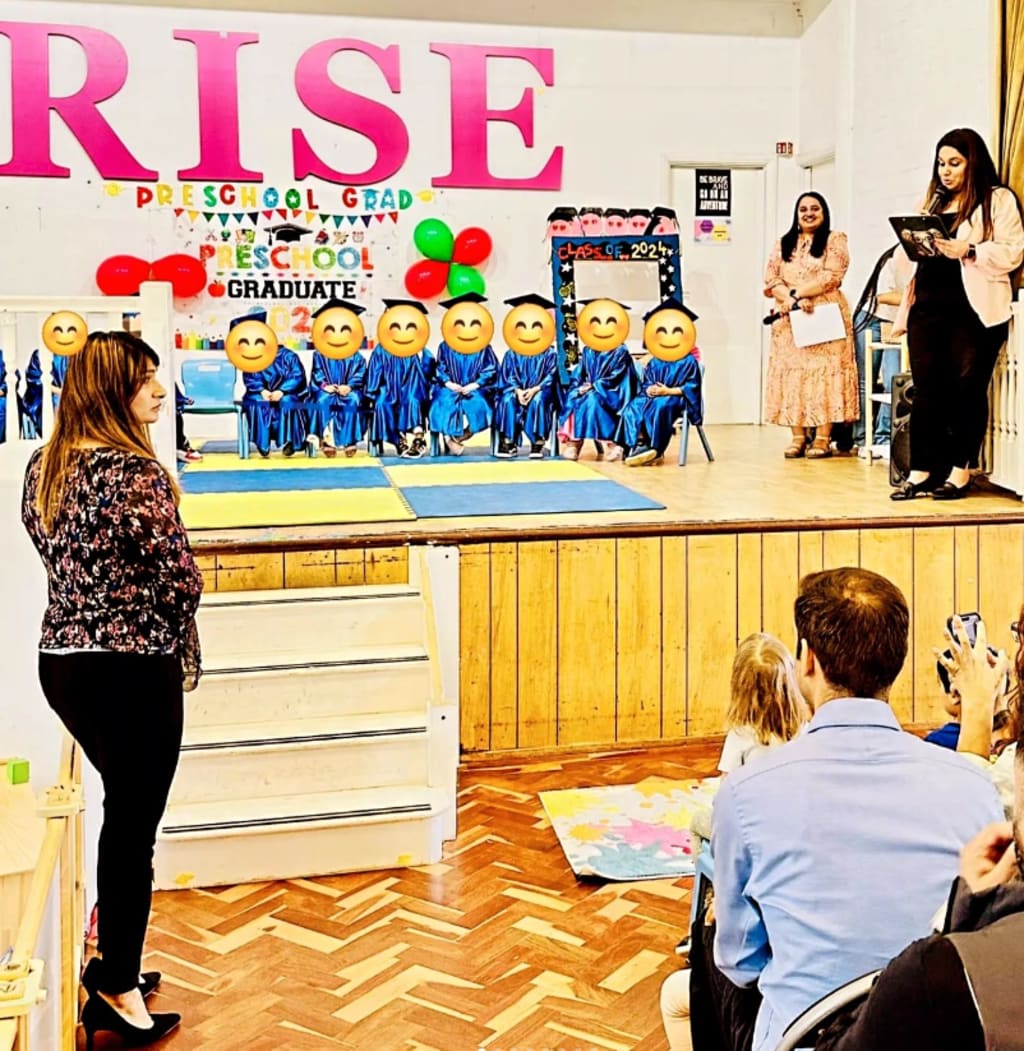
When it comes to choosing the right educational approach for your child, the options can feel overwhelming. Traditional schooling, homeschooling, or alternative methods like Waldorf or Reggio Emilia—all have their unique qualities. But have you ever wondered what makes the Montessori method stand out? Why are so many parents opting for it? If you're looking for a teaching philosophy that encourages independence, fosters a love of learning, and respects your child's natural development, Montessori might be just what you're looking for.
In this blog, we'll explore the core principles of Montessori education and why it could be the best fit for your child.
What Is Montessori Learning?
Montessori is an educational approach that was developed by Dr. Maria Montessori, an Italian physician and educator, in the early 1900s. Her method is based on the belief that children learn best in environments where they can explore, discover, and learn at their own pace. Instead of a rigid curriculum or a one-size-fits-all approach, the Montessori method recognizes each child’s individuality and supports their unique learning style.

Montessori classrooms are often filled with hands-on materials that encourage exploration. These materials are carefully designed to engage children’s senses and make abstract concepts tangible. The idea is to foster independence, creativity, and critical thinking from a young age.
How Does Montessori Education Work?
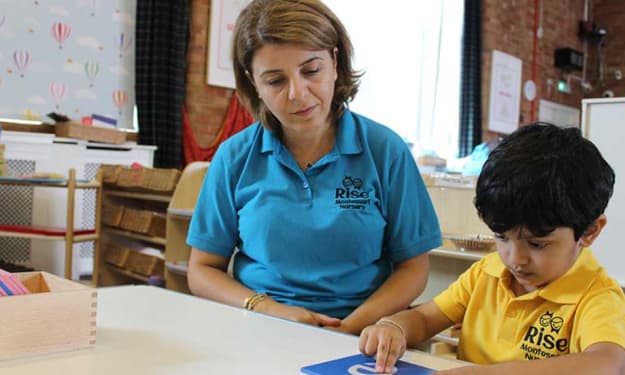
The Montessori approach is fundamentally different from traditional schooling. Instead of a teacher standing in front of the class, lecturing, and providing direct instruction, the Montessori teacher acts more as a guide or facilitator. They observe the children, understanding each child’s interests, strengths, and areas of growth. The teacher then provides activities or lessons that match each child's developmental needs.
Children in a Montessori classroom have the freedom to choose their activities, which encourages self-directed learning. They are free to explore their environment and engage with materials that interest them. This method fosters curiosity and allows children to dive deeper into topics that capture their attention.
Key Principles of Montessori Learning
One of the cornerstones of Montessori education is treating children with respect. In a Montessori classroom, children are seen as active participants in their own learning journey, not passive recipients of information. They are encouraged to make choices, solve problems, and contribute to the classroom community.

Learning at Your Own Pace
Unlike traditional classrooms where all students must learn the same thing at the same time, Montessori allows children to work at their own pace. This individualized approach respects each child's developmental timeline and ensures that they are not rushed or held back. If a child is ready to move on to more complex material, they can do so. If they need more time on a certain concept, they are supported to take it.
Hands-On Learning
Montessori classrooms are filled with tactile, sensory-rich materials that allow children to learn by doing. Whether it’s using counting beads to learn math or moving wooden shapes to understand geometry, these materials make abstract ideas concrete. By engaging physically with learning tools, children not only retain more information but also build a deeper understanding of the concepts they are learning.
Mixed-Age Classrooms
In a Montessori environment, children of different ages are often grouped together. This mixed-age setting mirrors real-life situations where we interact with people of all ages. Younger children learn by observing older peers, while older children develop leadership and mentoring skills. The classroom becomes a community, with students helping one another and growing together.

Freedom within Limits
While Montessori classrooms give children a great deal of freedom, that freedom is always within a structured and respectful environment. Children are taught to be responsible for their actions and to respect the space and the materials. They are encouraged to make decisions and take ownership of their learning, but within boundaries that ensure everyone’s safety and well-being.
What Are the Benefits of Montessori Education?
Independence: Montessori nurtures self-sufficiency, helping children develop a strong sense of autonomy. By making choices and being responsible for their learning, children build confidence in their ability to tackle challenges.
Love of Learning: Because the Montessori method emphasizes intrinsic motivation, children develop a deep love for learning. They are encouraged to explore their own interests, which leads to a sense of excitement and curiosity about the world around them.
Social Skills: The mixed-age classroom encourages cooperation, empathy, and communication. Younger children learn from older peers, and older children practice leadership by helping their younger classmates. This collaborative learning environment fosters a sense of community and belonging.
Critical Thinking: The Montessori approach emphasizes problem-solving and critical thinking. Children are encouraged to ask questions, explore solutions, and think for themselves rather than simply memorizing facts.
Emotional Development: Since Montessori classrooms are designed to be nurturing, respectful environments, children also learn to manage their emotions, practice self-discipline, and develop empathy for others.
Is Montessori Right for Every Child?

Montessori works beautifully for many children, but as with any educational approach, it might not be the best fit for every child. The method requires children to be self-motivated and independent, so children who thrive with more structure or need more guidance may not respond as well. However, many parents find that the Montessori approach is highly adaptable and flexible to different learning styles and personalities.
Is Montessori the Best Fit for Your Child?
If you want to give your child the opportunity to learn in an environment that respects their individuality, encourages exploration, and fosters independence, Montessori could be the perfect choice. This approach doesn’t just teach academic skills—it prepares children for life by nurturing their curiosity, creativity, and social skills. Whether your child is in preschool or elementary school, Montessori provides a foundation for lifelong learning.
So, what do you think? Could Montessori be the right fit for your child's educational journey? If you're in Pinner, a Montessori nursery in Pinner could be the perfect place to help your child thrive, explore, and develop a lifelong love for learning.
About the Creator
Keep reading
More stories from Rise nursery and writers in Families and other communities.
Why British Sign Language in Nursery is a Game-Changer
In today’s increasingly diverse and inclusive world, it’s vital to equip children with the tools they need to communicate effectively. One of the most powerful yet often overlooked tools is British Sign Language (BSL).
By Rise nurseryabout a year ago in Education
Wise~Guys
— Look Behind what's in Front of You ~ Make Good Choices — Hey, So how you Doin'..! Made~Men — Mobster Movies romanticise a distinctive, elegant appearance, impeccable attire style, along with the 'Families' expressive lingo. Making their 'Bones' gave them Panache — with vintage fedoras, tailored pin-striped suits, mirror-polished wing-tip shoes adorned with tassels; with their 'Gun Moll' gorgeous dates on their arms.
By Jay Kantor28 days ago in Families
The Path to Salvation
The late autumn evening air filled the monk's lungs, but it wasn't the season that chilled his bones. The heavy-handed presence of evil he had sensed upon entering the woods surrounding this mountain village had not bothered to conceal itself from him.
By Made in DNA7 days ago in Fiction


Comments
There are no comments for this story
Be the first to respond and start the conversation.