
Why Moms Carry the Load While Dads Live the Dream
The Reality of Custodial Parenting
The Unequal Reality of Custodial Parenting: Why Moms Shoulder the Burden
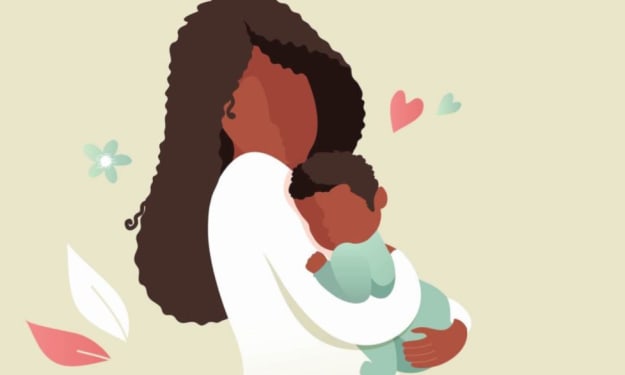
In households across the world, a striking pattern emerges when parents separate: mothers often become the primary custodial parent, while fathers seem to experience a level of freedom that mothers can rarely access. This dynamic raises deep questions about gender roles, societal expectations, and systemic norms. While the arrangement feels almost normalized, it remains one of the most controversial aspects of modern parenting.
At the heart of this issue lies a reality that millions of single mothers face. Statistics show that in the majority of custodial cases, mothers take on the lion’s share of the caregiving. This means managing daily routines, coordinating school schedules, overseeing extracurriculars, and shouldering emotional support for their children. Fathers, on the other hand, are often perceived as having more flexibility to focus on their careers, personal goals, and even leisure, with their parenting roles reduced to weekend visits or special occasions.
This isn’t to say that fathers don’t care about their children. Many do, and there are plenty of devoted dads who actively contribute to parenting. However, societal structures often allow them to sidestep the same level of responsibility that mothers are expected to take on. Whether it’s assumptions in court systems, traditional gender norms, or financial inequities, these factors combine to leave mothers bearing the brunt of custodial parenting.
One of the key reasons this situation persists is how normalized it has become. In many cases, even well-meaning people view mothers as the natural caregivers. Courts tend to reinforce this dynamic, granting custody to mothers in the majority of cases, while fathers are often awarded limited visitation or shared custody. This arrangement can create a profound imbalance, as moms are tasked with raising children while also providing financially, often without adequate support.
The controversy lies in the disparity of lived experiences. Mothers frequently sacrifice their time, energy, and even career growth for the sake of their children, while dads are less encumbered by these expectations. Society often praises fathers for doing the bare minimum—changing a diaper or showing up to a school event—while mothers are held to impossible standards and criticized for any perceived shortcoming.
This imbalance is also compounded by a lack of systemic support. Child support payments are often insufficient to cover the true costs of raising a child, and access to affordable childcare remains limited. The financial and emotional toll on mothers can be immense, leaving many feeling overwhelmed and undervalued.
At the same time, many fathers feel alienated from their children due to limited custodial arrangements. They argue that the system works against them, denying them opportunities to be fully engaged parents. This creates another layer of controversy, as it challenges the narrative of fathers living carefree lives post-separation.
What makes this issue so complex is that it’s rooted in deeply entrenched societal norms. For decades, mothers have been seen as the default caregivers, while fathers were traditionally the breadwinners. Even though these roles have shifted in modern times, the remnants of these stereotypes persist.
Breaking this cycle requires a cultural shift. Fathers must be encouraged—and expected—to take on more active parenting roles, not as an exception but as the norm. Courts and societal institutions need to adopt a more balanced approach to custodial arrangements, ensuring that both parents have the opportunity to contribute equally to their children’s lives. Additionally, more resources and support systems should be made available for single parents, regardless of gender.
Ultimately, the conversation isn’t about blaming fathers or glorifying mothers—it’s about creating a fairer, more supportive system for everyone involved, especially the children. By addressing these disparities, we can work towards a future where parenting is a shared responsibility, rather than a single opportunity.
About the Creator
Reader insights
Outstanding
Excellent work. Looking forward to reading more!
Top insights
Compelling and original writing
Creative use of language & vocab
Easy to read and follow
Well-structured & engaging content
Excellent storytelling
Original narrative & well developed characters
Expert insights and opinions
Arguments were carefully researched and presented
Eye opening
Niche topic & fresh perspectives
Heartfelt and relatable
The story invoked strong personal emotions
Masterful proofreading
Zero grammar & spelling mistakes
On-point and relevant
Writing reflected the title & theme
Keep reading
More stories from A’Shanti King and writers in Families and other communities.
Unsung Heroes:
Single mothers are often the silent warriors of society, balancing an overwhelming number of responsibilities with grace, resilience, and unyielding dedication. They wear multiple hats—provider, nurturer, teacher, and protector—all while striving to maintain a sense of stability for their children. Yet, the tireless work they do often goes unnoticed, overshadowed by stereotypes or assumptions that fail to recognize their unwavering strength.
By A’Shanti Kingabout a year ago in Families
Wise~Guys
— Look Behind what's in Front of You ~ Make Good Choices — Hey, So how you Doin'..! Made~Men — Mobster Movies romanticise a distinctive, elegant appearance, impeccable attire style, along with the 'Families' expressive lingo. Making their 'Bones' gave them Panache — with vintage fedoras, tailored pin-striped suits, mirror-polished wing-tip shoes adorned with tassels; with their 'Gun Moll' gorgeous dates on their arms.
By Jay Kantor22 days ago in Families



Comments
There are no comments for this story
Be the first to respond and start the conversation.