
Why Do Relationships Fail (and How to Fix Them)?
Understanding Common Pitfalls and Building Stronger Connections


Relationships can be one of the most rewarding parts of life, but they can also be challenging to maintain. Whether romantic, familial, or platonic, relationships require effort, understanding, and a commitment to growth. Yet, many relationships fail—not because of a lack of love, but because of unresolved issues, poor communication, and unmet expectations.
So, why do relationships fail? And more importantly, how can they be saved? This article explores the common reasons relationships falter and offers actionable tips for fostering healthier, lasting connections.
1. The Breakdown of Communication
One of the most common reasons relationships fail is poor communication. Misunderstandings, unspoken feelings, or outright avoidance of difficult conversations can create distance between people. Over time, this lack of openness leads to resentment, frustration, and a sense of emotional disconnection.
How to Fix It:
- Practice Active Listening: Truly hear what the other person is saying without interrupting or formulating your response while they’re talking.
- Express Yourself Clearly: Avoid assuming the other person knows how you feel. Use “I” statements to share your thoughts and emotions. For example, “I feel hurt when...” instead of “You always...”
- Schedule Check-Ins: Set aside regular time to discuss how each of you feels about the relationship and address any concerns early on.
2. Unrealistic Expectations
Every relationship involves some level of expectation, but problems arise when those expectations are unrealistic or uncommunicated. Expecting a partner, friend, or family member to meet all your emotional needs or act a certain way can lead to disappointment.
How to Fix It:
- Set Realistic Standards: Accept that no one is perfect, and every relationship will have its ups and downs.
- Communicate Needs Openly: Let the other person know what you need, but also be open to compromise.
- Focus on Gratitude: Appreciate what the other person brings to the relationship instead of fixating on what’s missing.
3. Neglecting Personal Growth
A healthy relationship consists of two individuals who are growing both individually and together. When one or both people neglect their personal development, it can lead to stagnation, dependency, or resentment.
How to Fix It:
- Pursue Your Own Interests: Maintain hobbies, friendships, and goals outside of the relationship.
- Support Each Other’s Growth: Encourage and celebrate each other’s achievements and aspirations.
- Invest in Self-Improvement: Work on becoming the best version of yourself, whether through therapy, self-care, or learning new skills.
4. Lack of Trust
Trust is the foundation of any strong relationship. Whether caused by dishonesty, betrayal, or insecurity, a lack of trust can create a toxic dynamic that’s hard to repair without intentional effort.
How to Fix It:
- Be Honest: Even small lies can erode trust over time. Be transparent and reliable in your actions.
- Apologize and Forgive: If trust has been broken, take accountability for your actions and sincerely apologize. On the other side, forgiveness is essential for rebuilding trust.
- Build Consistency: Consistent behavior over time can help rebuild trust that’s been lost.
5. Ignoring Emotional Intimacy
While physical intimacy is often emphasized, emotional intimacy is just as, if not more, important in relationships. When emotional needs are ignored, people feel lonely, even in close relationships.
How to Fix It:
- Be Vulnerable: Share your fears, dreams, and feelings with the other person to deepen your emotional connection.
- Spend Quality Time Together: Make time for activities that foster closeness, like meaningful conversations, shared hobbies, or quiet moments.
- Show Empathy: Understand and validate the other person’s feelings without judgment.
6. Avoiding Conflict Instead of Resolving It
Conflict is a natural part of any relationship, but avoiding it can lead to unaddressed issues that fester over time. Relationships often fail because problems are swept under the rug instead of resolved.
How to Fix It:
- Address Issues Early: Don’t wait for small problems to become big ones.
- Focus on Solutions: Instead of blaming each other, work together to find a solution.
- Keep It Respectful: During disagreements, avoid name-calling, yelling, or bringing up unrelated issues.
7. Taking Each Other for Granted
Over time, it’s easy to fall into routines and forget to show appreciation for the people in your life. This can lead to feelings of being undervalued or unimportant.
How to Fix It:
- Express Gratitude Daily: Say “thank you” for even small acts of kindness.
- Celebrate Milestones: Recognize birthdays, anniversaries, and personal achievements to make the other person feel special.
- Surprise Them: Do something thoughtful to show you care, like writing a heartfelt note or planning a special outing.
Conclusion
Relationships fail for a variety of reasons, but with effort, understanding, and communication, most can be repaired. By addressing common pitfalls such as poor communication, unmet expectations, and a lack of trust, you can strengthen your connections and build healthier, more fulfilling relationships.
Ultimately, the key to a successful relationship lies in mutual respect, open communication, and a willingness to grow together. By investing in these qualities, you’ll create a foundation that can weather life’s inevitable challenges—and thrive despite them.
About the Creator
Bryan Wafula
Storyteller focused on current events and cultural dynamics. I explore global narratives, challenging media perspectives, advocating for humanitarian safety, and highlighting resilient voices—particularly in conflict zones.
Keep reading
More stories from Bryan Wafula and writers in Families and other communities.
Top Christmas Tree Ornaments on Amazon: A Comparative Guide to Make Your Holiday Sparkle
Decorating a Christmas tree is one of the most cherished traditions of the holiday season. The right ornaments can transform your tree into a magical centerpiece for your home. With thousands of options available on Amazon, choosing the perfect decorations can be overwhelming. In this guide, we’ll compare three top-rated Christmas tree ornament options on Amazon to help you find the best fit for your holiday décor.
By Bryan Wafulaabout a year ago in Families
Professor Carlton Jama Adams on Intentional Parenting in the Digital Age
Parenting in the digital age requires awareness that extends far beyond household routines. Children today are influenced by social media trends, instant communication, academic competition, and constant online exposure. In this evolving landscape, thoughtful guidance becomes essential. Professor Carlton Jama Adams offers a steady and practical perspective on how parents can remain grounded while raising emotionally secure, confident, and resilient children.
By Carlton Adams5 days ago in Families
Why Kids’ Clubs at Hotels Are Ideal for Families on Holiday
As the hospitality and travel industry is always competitive, providing attractive kids’ clubs and play areas for children has evolved into being not just an additional feature for accommodation providers but something of a strategic investment. These facilities offer great benefits for kids as well as parents, enhancing the overall travel experience. Some of the reasons why such clubs for children are advantageous and useful are described below.
By John Ashley6 days ago in Families
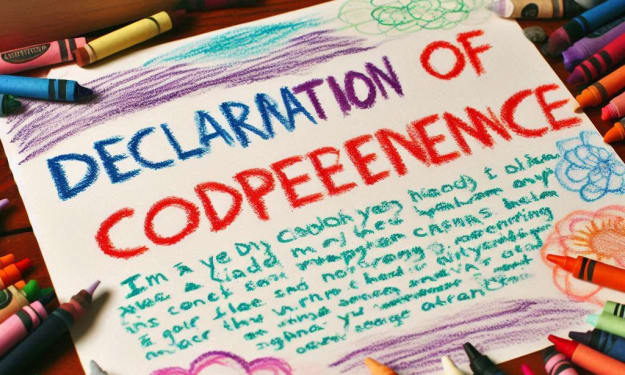
A Historic Declaration
We the People of the Husbands of the United States of America, in Order to form a more perfect Union, and I mean you...with me...establish Justice, insure domestic Tranquility, provide for the common defence, promote the general Welfare, and secure the Blessings of Liberty to ourselves, after Puberty, do ordain and establish this Declaration of Co-Dependence.
By Gerard DiLeo5 days ago in Humans



Comments (1)
Hello, just wanna let you know that if we use AI, then we have to choose the AI-Generated tag before publishing 😊