
Why Do People Who Love Deeply Always End Up Hurt?
Exploring the heartbreak behind the most sincere kind of love
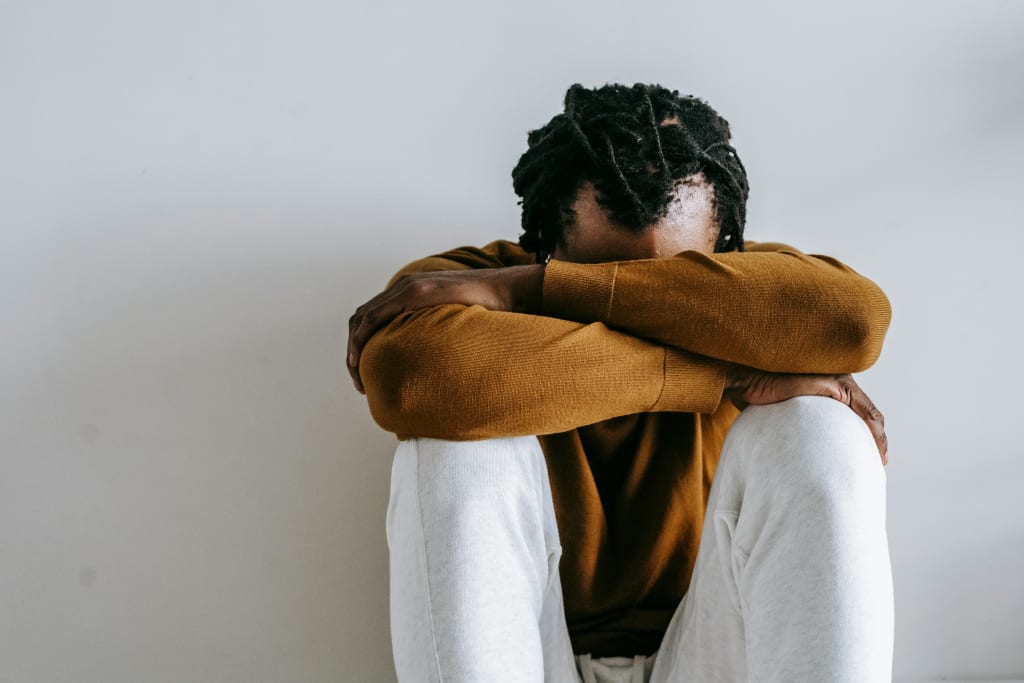
The Cost of Loving with Your Whole Heart
Love is one of the most profound and transformative experiences a person can have. It touches the soul, connects hearts, and gives life new meaning. But those who love deeply often find themselves facing the heaviest heartbreaks. It's a pattern that repeats across stories, cultures, and personal lives. Why does it seem like those who give the most, feel the most pain?
In this article, we’ll explore the psychological, emotional, and relational reasons why people who love deeply are often the ones who end up hurt — and what this pain can teach us.
1. Deep Love Means Deep Vulnerability
When someone loves deeply, they open their heart completely. There are no half-measures or emotional walls. They give their time, energy, affection, and soul to the person they care about. This level of openness creates a deep bond, but it also exposes them to emotional risks.
The more you let someone in, the more power they have to hurt you. And when the love isn't returned in the same depth or is later withdrawn, it leaves a wound that cuts right to the core.
2. High Expectations Can Lead to Deep Disappointment
People who love deeply often see the best in others. They believe in potential, in goodness, in the future they imagine with their partner. This idealization can lead to high expectations — not just of how the relationship should be, but of how the other person should behave.
When reality falls short, it’s not just disappointing — it feels like betrayal. The deeper the hope, the deeper the heartbreak when that hope is crushed.
3. Overgiving Without Receiving Enough Back
Those who love deeply often give more than they receive. Their love is generous, forgiving, and often self-sacrificing. But when this love isn’t returned in equal measure, it creates emotional imbalance.
Over time, this can lead to feeling unappreciated, neglected, or even used. And when the relationship ends, they’re left wondering why their love wasn’t enough.
4. Attachment Styles and Emotional Patterns Play a Role
From a psychological perspective, attachment styles deeply influence how people love. Those with anxious attachment often seek deep closeness but fear abandonment. This can lead them to cling to relationships, even unhealthy ones.
Loving deeply doesn’t mean loving blindly — but when emotional patterns go unchecked, the need for love can override the need for self-respect.
5. Fear of Being Replaced Makes the Pain Worse
When you’ve given someone your whole heart, the idea that they can move on easily — or love someone else — is devastating. It feels like all your love, all your sacrifices, meant nothing.
This fear isn’t just about losing a person. It’s about losing your place in their life, their story, and their memory.
6. They Hold On When They Should Let Go
People who love deeply often believe that love can conquer all — and sometimes, that belief keeps them in relationships that are slowly breaking them. They forgive too easily, ignore red flags, and stay hopeful even when the love isn’t mutual.
Unfortunately, this persistence can prolong the pain. Letting go is hard when love is real, but sometimes, it’s necessary.
7. Emotional Honesty Isn’t Always Respected
Deep lovers tend to be emotionally honest. They say what they feel, wear their heart on their sleeve, and expect openness in return.
But not everyone values or understands emotional depth. Some people may take advantage of this honesty, while others might find it overwhelming. And when that happens, the honest one is left feeling exposed and rejected.
8. Deep Hurt Leads to Deep Growth
As painful as heartbreak is, it can also lead to tremendous personal growth. People who love deeply often emerge from pain with stronger boundaries, clearer self-awareness, and a renewed sense of self-worth.
The same depth that makes them hurt also gives them the strength to rise again — wiser, braver, and more resilient than before.
9. Loving Deeply Is a Strength, Not a Weakness
It’s easy to feel weak when your love isn’t returned, but in truth, loving deeply is one of the bravest things a person can do. In a world that often encourages emotional detachment, showing your true heart takes immense courage.
Being hurt doesn’t mean you were wrong to love. It means you had the courage to give something real, even if it wasn’t appreciated.
10. What Deep Lovers Can Learn Moving Forward
To those who love deeply: your love is a gift. But not everyone deserves access to your heart. Learn to protect your peace. Set boundaries. Make sure you’re loved in return with the same honesty and intensity you offer.
And above all, never stop being someone who loves deeply — just learn to love wisely.
Conclusion: Love Deeply, But Don’t Lose Yourself
Loving deeply will always carry a risk — but it also brings beauty, connection, and meaning that shallow love never can. Yes, it can lead to heartbreak. But it also builds character, teaches you who you are, and shows you what kind of love you truly deserve.
So if you’ve been hurt after loving deeply, don’t let the pain harden you. Let it refine you. Keep your heart open, but guard it with wisdom. And remember — loving deeply isn’t a flaw. It’s your superpower.
About the Creator
Keep reading
More stories from Manal shwqy and writers in Families and other communities.
How People See Emotional Personalities
veryone experiences emotions, but some people feel things more deeply than others. These individuals are often described as having emotional personalities. They express their feelings clearly, care deeply for others, and react strongly to what happens around them. While some see this as a strength, others may not understand it. This article explores how emotional personalities are seen, both positively and negatively, and why these perspectives matter.
By Manal shwqy8 months ago in Families
Wise~Guys
— Look Behind what's in Front of You ~ Make Good Choices — Hey, So how you Doin'..! Made~Men — Mobster Movies romanticise a distinctive, elegant appearance, impeccable attire style, along with the 'Families' expressive lingo. Making their 'Bones' gave them Panache — with vintage fedoras, tailored pin-striped suits, mirror-polished wing-tip shoes adorned with tassels; with their 'Gun Moll' gorgeous dates on their arms.
By Jay Kantor18 days ago in Families
The Lost Mind
I stand by the door, staring at Reema Aunty taking care of my Dadi**. Dadi can’t bathe herself anymore, Reema Aunty bathes her. Right now, she is combing Dadi’s hair, her once beautiful long hair is now short and full of white strands. Dadi peeps over and smiles, her eyes crinkling at the corners.
By Poonam Desai3 days ago in Families




Comments
There are no comments for this story
Be the first to respond and start the conversation.