
Which Conditions Help Gorgonian Coral Grow Successfully?
Get your gorgonian coral growing with the right lighting, flow, and care. Discover what conditions help these beautiful corals thrive in reef tanks.

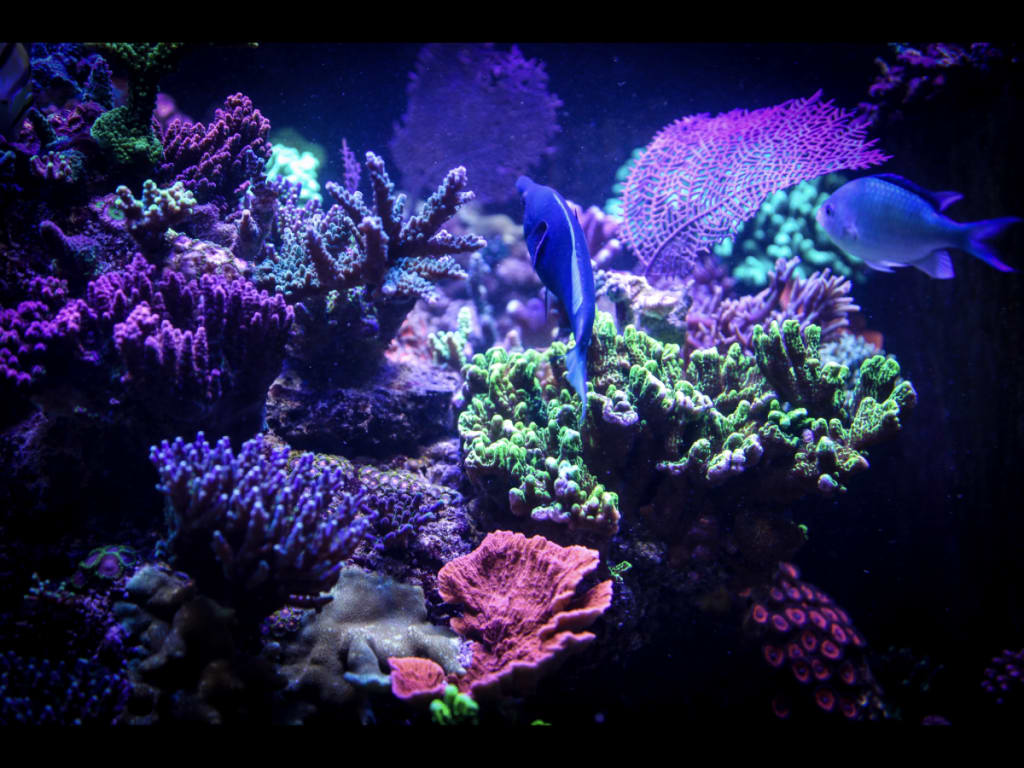
Gorgonian corals are among the most striking additions to saltwater aquariums. With their branching, fan-like structures and vibrant colors, they instantly draw attention. But they’re not the easiest corals to care for. Getting them to grow successfully means meeting some very specific conditions. Right in the middle of all this coral talk, you might be wondering where to buy them—there are places offering Gorgonian Coral For Sale online and at specialized reef shops, but having the coral is just the start. The real key lies in giving it the right home.
What Makes Gorgonian Corals Unique?
Gorgonians aren't your average coral. They come in two main types: photosynthetic and non-photosynthetic. Photosynthetic varieties depend on light for energy, while the non-photosynthetic ones need to be fed regularly because they don’t rely on light at all. This difference plays a major role in how they grow and what kind of setup you’ll need to support them.
Proper Lighting Is a Big Deal
Lighting isn’t just about brightness—it’s about quality and consistency. For photosynthetic gorgonians, moderate to high lighting helps them produce their own energy. Too little light and they’ll start to wither. Non-photosynthetic types, on the other hand, prefer lower lighting levels and won’t benefit from bright setups. Knowing which type you’re keeping will help you figure out how to light the tank correctly.
Water Flow Should Be Steady but Not Harsh
Gorgonians love a strong and consistent water flow. It helps them remove waste, bring in nutrients, and stay clean. But don’t overdo it. You don’t want the flow so powerful that it damages their delicate branches. Aim for a gentle but constant current that moves across the entire colony. Adjustable powerheads can help get it just right.
Water Quality Can't Slip
Clean water makes a huge difference. Gorgonian corals are sensitive to water quality, so staying on top of your tank's parameters is important. Keep nitrate and phosphate levels low, maintain stable calcium and alkalinity, and make sure there's enough magnesium. Regular water testing and consistent partial water changes help keep everything balanced and in check.
Feeding Matters for Non-Photosynthetic Types
Some gorgonians rely entirely on food suspended in the water column. These corals need regular feeding—sometimes even daily. Offer small particle foods like rotifers, phytoplankton, or finely crushed marine diets. Feed at night, when their polyps are open, for better results. Automatic feeders or target feeding tools can make this easier and keep the coral healthy.
Placement in the Tank Makes a Difference
Don’t just stick the coral anywhere and hope for the best. You’ll want to place gorgonians where they get enough flow and light, depending on their type. Keep them away from aggressive corals or those that release chemicals into the water. Space helps prevent crowding and makes it easier for them to open fully and feed.
Stability Over Perfection
It’s not about having perfect numbers—it’s about keeping things steady. Gorgonians don’t react well to sudden changes. Big swings in temperature, pH, or salinity can stress them out and lead to tissue loss. Automating some parts of your system, like top-offs or dosing, can help maintain balance and reduce the chance of harmful changes.
Avoid Pests and Overgrowth
Some pests, like algae and flatworms, can irritate or even kill gorgonian corals. Keep an eye on the branches and tissue for any signs of unwanted visitors. Don’t allow algae to take over either, as it can smother the coral’s surface. Manual cleaning, careful tank maintenance, and a healthy clean-up crew can help prevent these issues.
Acclimation Plays a Role in Success
Bringing a gorgonian coral home? Don’t rush it. A proper acclimation process helps the coral adjust to new water conditions. Drip acclimation works best for these delicate species. It reduces stress and gives them a better chance of settling in and starting to grow right away.
Patience and Observation Go a Long Way
Gorgonians aren’t fast growers, and progress might be slow at first. Don’t get discouraged. Keep watching for signs of good health: extended polyps, steady color, and clean tissue. Over time, small branches will extend, and you’ll see growth as long as the coral gets what it needs. Observing their behavior will also help you catch early signs of trouble.
Can Gorgonians Be Fragged?
Yes, some types can be fragged to create new colonies. It’s best done on mature, healthy corals that are already growing well in the tank. Use sharp, sterilized scissors and glue the cuttings to frag plugs or rock. This process should only be done once the original coral is stable and not showing any signs of stress.
Keep the Environment Natural
A reef tank that mimics natural conditions works best. Stick to a routine and avoid chemical additives that aren’t necessary. Try to replicate the natural ocean as closely as you can. That means giving your gorgonians what they need without going overboard. Simplicity and consistency beat overcomplication every time.
Final Thought:
Growing gorgonian coral successfully takes time, attention, and care—but the rewards are worth it. Their swaying branches and unique appearance bring life and movement to any reef tank. Whether you're caring for photosynthetic or non-photosynthetic types, success comes down to creating the right conditions and sticking with them. The coral will thank you in its own quiet, beautiful way.
About the Creator
Salt water Livestocks
Salt Water Livestocks is your go-to source for vibrant saltwater fish and marine life in Port Richey, Florida. Whether you're an experienced aquarist or just starting, they offer a wide selection of healthy fish, corals, and invertebrates.
Keep reading
More stories from Salt water Livestocks and writers in Families and other communities.
Common Challenges in Keeping Exotic Ocean Species?
Keeping exotic ocean species as pets is an exciting but challenging endeavor. These vibrant and unique creatures bring a slice of the ocean into your home, but they require precise care, extensive knowledge, and dedication. Unlike common freshwater fish, exotic marine life demands specialized tanks, proper nutrition, and ideal water conditions. Without proper preparation, new hobbyists often struggle, leading to stressed or unhealthy animals. Understanding the key challenges in managing saltwater livestocks can help you create a thriving environment for your oceanic pets.
By Salt water Livestocks10 months ago in Families
Wise~Guys
— Look Behind what's in Front of You ~ Make Good Choices — Hey, So how you Doin'..! Made~Men — Mobster Movies romanticise a distinctive, elegant appearance, impeccable attire style, along with the 'Families' expressive lingo. Making their 'Bones' gave them Panache — with vintage fedoras, tailored pin-striped suits, mirror-polished wing-tip shoes adorned with tassels; with their 'Gun Moll' gorgeous dates on their arms.
By Jay Kantor20 days ago in Families




Comments
There are no comments for this story
Be the first to respond and start the conversation.