
When to Seek Medical Advice:
Understanding When It's Essential to Consult a Healthcare Professional for High Blood Pressure, Even if You're Making Lifestyle Changes

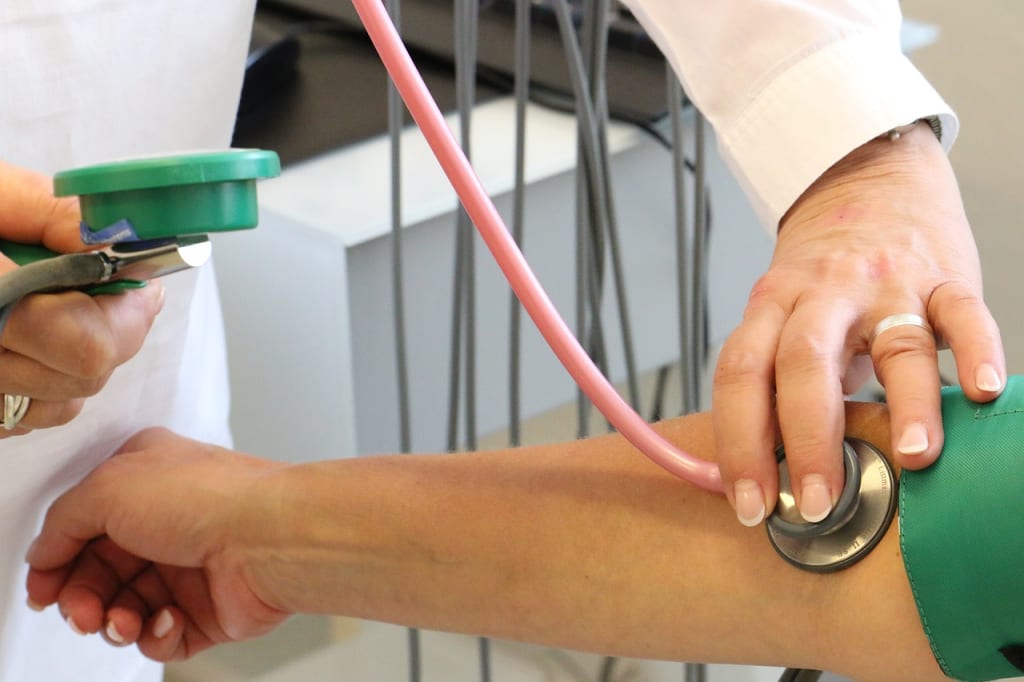
High blood pressure, also known as hypertension, is a common but serious condition that affects millions of people worldwide. Often referred to as the "silent killer," hypertension can lead to severe health complications if left untreated. While lifestyle changes can significantly impact blood pressure management, there are times when it’s crucial to seek medical advice. This article will explore when you should consult a healthcare professional for high blood pressure, even if you're actively making lifestyle adjustments. We’ll also cover the importance of monitoring your condition and provide a medical disclaimer to guide your actions.
Understanding High Blood Pressure
High blood pressure occurs when the force of the blood against the walls of your arteries is consistently too high. Blood pressure is measured in millimeters of mercury (mm Hg) and is recorded as two numbers:
Systolic Pressure: The top number, representing the pressure in your arteries when your heart beats.
Diastolic Pressure: The bottom number, representing the pressure in your arteries when your heart rests between beats.
A normal blood pressure reading is typically around 120/80 mm Hg. When readings consistently show 130/80 mm Hg or higher, you may be diagnosed with hypertension.
Categories of Blood Pressure
Understanding the different categories of blood pressure can help you identify the severity of your condition:
Normal: Less than 120/80 mm Hg
Elevated: Systolic between 120-129 mm Hg and diastolic less than 80 mm Hg
Hypertension Stage 1: Systolic between 130-139 mm Hg or diastolic between 80-89 mm Hg
Hypertension Stage 2: Systolic at least 140 mm Hg or diastolic at least 90 mm Hg
Hypertensive Crisis: Systolic over 180 mm Hg and/or diastolic over 120 mm Hg, requiring immediate medical attention
The Silent Nature of High Blood Pressure
One of the most concerning aspects of hypertension is that it often presents with no symptoms. Many people with high blood pressure are unaware they have it until they experience a serious health event such as a heart attack, stroke, or kidney failure. This asymptomatic nature is why regular monitoring and understanding when to seek medical advice are critical.
The Role of Lifestyle Changes in Managing High Blood Pressure
Lifestyle changes are often the first line of defense against high blood pressure. They can help lower blood pressure, improve overall health, and reduce the need for medication. Common lifestyle modifications include:
Dietary Changes: Reducing salt intake, eating a balanced diet rich in fruits, vegetables, and whole grains, and limiting alcohol consumption.
Physical Activity: Engaging in regular physical exercise, such as brisk walking, swimming, or cycling, for at least 150 minutes per week.
Weight Management: Losing excess weight, especially around the abdomen, can significantly lower blood pressure.
Stress Management: Practicing relaxation techniques such as deep breathing, meditation, or yoga to reduce stress levels.
Smoking Cessation: Quitting smoking can improve heart health and reduce blood pressure.
These changes can have a profound impact on your blood pressure, but they are not always sufficient on their own, especially in more severe cases of hypertension.
When to Seek Medical Advice: Key Indicators
While lifestyle changes are essential, there are specific situations where seeking medical advice is crucial. Understanding these indicators can help you avoid complications and manage your condition more effectively.
1. Consistently High Blood Pressure Readings
If you monitor your blood pressure at home and consistently get readings above 130/80 mm Hg despite making lifestyle changes, it’s time to consult a healthcare professional. Persistent high readings may indicate that lifestyle modifications alone are not enough to control your blood pressure, and you may need medication or other interventions.
2. Hypertension Stage 2 Diagnosis
A diagnosis of Stage 2 hypertension (140/90 mm Hg or higher) warrants immediate medical attention. At this stage, the risk of developing heart disease, stroke, and other complications is significantly higher. Your doctor may prescribe medication and recommend more intensive lifestyle changes to bring your blood pressure under control.
3. Symptoms of Hypertensive Crisis
A hypertensive crisis is a medical emergency that requires immediate attention. Symptoms may include:
Severe headache
Shortness of breath
Nosebleeds
Severe anxiety
Chest pain
Vision problems
Confusion or altered mental state
If you experience any of these symptoms, seek emergency medical care immediately.
4. Dizziness, Lightheadedness, or Fainting
While high blood pressure is often asymptomatic, some individuals may experience dizziness, lightheadedness, or fainting. These symptoms can be signs of dangerously high or low blood pressure and should not be ignored. Consulting a healthcare professional can help determine the cause and appropriate treatment.
5. Pregnancy and High Blood Pressure
Pregnant women with high blood pressure, known as gestational hypertension, or those with pre-existing hypertension, should seek medical advice immediately. High blood pressure during pregnancy can lead to complications such as preeclampsia, which poses risks to both the mother and baby. Regular monitoring and medical management are essential during pregnancy.
6. Family History of Hypertension
If you have a family history of hypertension or cardiovascular disease, you may be at a higher risk of developing high blood pressure. Even if your current readings are within the normal range, it’s advisable to consult a healthcare professional to discuss preventive measures and establish a monitoring plan.
7. Difficulty in Adopting or Maintaining Lifestyle Changes
Lifestyle changes can be challenging to implement and maintain, especially if you’re dealing with other health issues, stress, or lack of support. If you find it difficult to make these changes or notice that your blood pressure remains high despite your efforts, seeking medical advice can provide you with additional resources, support, and possibly medication to help manage your condition.
8. Unexplained Symptoms Accompanying High Blood Pressure
If you experience unexplained symptoms such as chest pain, shortness of breath, severe headaches, or visual disturbances, along with high blood pressure, it’s crucial to seek medical advice. These symptoms could be indicative of underlying conditions that require immediate attention.
The Importance of Regular Monitoring and Medical Check-Ups
Regular monitoring of your blood pressure is essential for effective management, especially if you have been diagnosed with hypertension or are at risk. Home blood pressure monitors are widely available and can provide valuable insights into how your blood pressure changes throughout the day and in response to different activities or stressors.
How Often Should You Monitor Your Blood Pressure?
Normal Blood Pressure: If your blood pressure is within the normal range and you have no risk factors, checking it every 6 to 12 months during routine medical visits is usually sufficient.
Elevated Blood Pressure: If your blood pressure is elevated but not yet in the hypertensive range, monitor it at home more frequently (e.g., weekly) and consult your doctor for advice on how often you should check it.
Hypertension: If you have been diagnosed with hypertension, daily monitoring may be necessary, especially when starting a new treatment plan or making significant lifestyle changes.
The Role of Regular Medical Check-Ups
Regular medical check-ups are crucial for monitoring your overall health, assessing the effectiveness of your treatment plan, and making any necessary adjustments. Your healthcare provider can perform a comprehensive evaluation, including blood tests, electrocardiograms (ECGs), and kidney function tests, to ensure that your blood pressure is well-managed and that there are no underlying complications.
Understanding Blood Pressure Medications
In some cases, lifestyle changes alone may not be enough to control high blood pressure, and your doctor may prescribe medication. Understanding the different types of blood pressure medications and how they work can help you make informed decisions about your treatment.
Types of Blood Pressure Medications
Diuretics: Also known as water pills, diuretics help your kidneys remove excess sodium and water from your body, reducing blood volume and lowering blood pressure.
ACE Inhibitors: Angiotensin-converting enzyme (ACE) inhibitors relax blood vessels by blocking the formation of a hormone called angiotensin II, which normally narrows blood vessels.
Angiotensin II Receptor Blockers (ARBs): These medications block the action of angiotensin II, allowing blood vessels to widen and lower blood pressure.
Calcium Channel Blockers: These medications prevent calcium from entering the cells of the heart and blood vessels, leading to relaxed blood vessels and lower blood pressure.
Beta-Blockers: Beta-blockers reduce the heart rate and the force of the heart’s contractions, lowering blood pressure.
Renin Inhibitors: Renin inhibitors block the production of renin, an enzyme produced by the kidneys that starts a chain of chemical steps that increase blood pressure.
Aldosterone Antagonists: These medications block the hormone aldosterone, which causes the kidneys to retain sodium and water, contributing to high blood pressure.
Common Side Effects and Considerations
All medications can have side effects, and it’s important to discuss these with your doctor. Common side effects of blood pressure medications may include dizziness, fatigue, headaches, and digestive issues. Your doctor can help you weigh the benefits and risks of each medication and find the one that’s best suited to your needs.
The Impact of High Blood Pressure on Long-Term Health
High blood pressure can have serious long-term consequences if not properly managed. Understanding these risks can underscore the importance of seeking medical advice when necessary.
Cardiovascular Disease
High blood pressure is a leading cause of cardiovascular diseases, including heart attack, stroke, and heart failure. The increased pressure on the arteries can cause damage over time, leading to the thickening and hardening of arterial walls—a condition known as atherosclerosis. This condition narrows the arteries, reducing blood flow to vital organs such as the heart and brain, which can result in serious complications.
1. Heart Attack: A heart attack occurs when the blood supply to a part of the heart is blocked, often by a blood clot formed on a plaque of atherosclerosis. High blood pressure can contribute to the formation of these plaques and increase the risk of blood clots. The heart muscle, deprived of oxygen, begins to die, leading to potentially fatal outcomes.
2. Stroke: High blood pressure is a major risk factor for stroke, which occurs when the blood supply to a part of the brain is interrupted or reduced. This can be due to a clot obstructing blood flow (ischemic stroke) or a blood vessel in the brain bursting (hemorrhagic stroke). The longer the brain is deprived of oxygen, the greater the risk of permanent damage or death.
3. Heart Failure: Chronic high blood pressure forces the heart to work harder to pump blood, leading to the thickening of the heart muscle (left ventricular hypertrophy). Over time, the heart may become too stiff or weak to pump blood efficiently, resulting in heart failure. Symptoms of heart failure include shortness of breath, fatigue, and swelling in the legs and ankles.
4. Aneurysm: High blood pressure can weaken the walls of arteries, leading to the formation of an aneurysm—an abnormal bulge in the artery wall. If an aneurysm bursts, it can cause life-threatening internal bleeding. Aneurysms can develop in various parts of the body, including the brain, aorta, and other major arteries.
5. Peripheral Artery Disease (PAD): High blood pressure can also contribute to the narrowing of arteries in the legs, arms, stomach, or head, leading to peripheral artery disease. This condition reduces blood flow to the limbs, causing pain, numbness, and, in severe cases, tissue damage or amputation.
Kidney Damage
The kidneys are highly sensitive to changes in blood pressure. Hypertension can damage the blood vessels in the kidneys, impairing their ability to filter waste and excess fluids from the blood. Over time, this can lead to chronic kidney disease (CKD) or kidney failure, requiring dialysis or a kidney transplant. Signs of kidney damage include swelling in the legs, ankles, or feet, changes in urination, and unexplained fatigue.
Vision Loss
High blood pressure can damage the tiny blood vessels in the eyes, leading to hypertensive retinopathy. This condition can cause blurred vision, vision loss, or even blindness if left untreated. Additionally, hypertension increases the risk of developing other eye conditions, such as glaucoma and macular degeneration, both of which can lead to vision impairment.
Cognitive Decline and Dementia
The effects of high blood pressure extend to the brain, where it can cause cognitive decline and increase the risk of dementia. Reduced blood flow to the brain due to atherosclerosis or small vessel disease can lead to problems with memory, thinking, and learning. Hypertension is also linked to an increased risk of vascular dementia, which is caused by impaired blood flow to the brain.
Sexual Dysfunction
High blood pressure can affect sexual function in both men and women. In men, it can lead to erectile dysfunction (ED) by limiting blood flow to the penis. In women, hypertension can reduce blood flow to the pelvic area, leading to decreased libido, arousal difficulties, and vaginal dryness. These issues can contribute to relationship stress and a reduced quality of life.
The Importance of a Comprehensive Treatment Plan
Managing high blood pressure effectively requires a comprehensive treatment plan that includes lifestyle changes, medication, regular monitoring, and ongoing communication with your healthcare provider. A proactive approach to treatment can help prevent complications and improve overall quality of life.
Tailoring Treatment to Individual Needs
Every individual’s experience with high blood pressure is unique, and treatment should be tailored to meet specific needs and circumstances. Factors such as age, overall health, family history, and the presence of other medical conditions must be considered when developing a treatment plan. Your healthcare provider will work with you to create a plan that addresses your specific risk factors and health goals.
The Role of Medication Adherence
If you’ve been prescribed medication for high blood pressure, it’s essential to take it as directed. Skipping doses or discontinuing medication without consulting your doctor can lead to dangerous spikes in blood pressure and increase the risk of complications. If you experience side effects or have concerns about your medication, talk to your healthcare provider. They may adjust your dosage or switch you to a different medication to better suit your needs.
Integrating Lifestyle Changes with Medical Treatment
While medication is often necessary for managing high blood pressure, it should be combined with lifestyle changes for the best results. Continued focus on diet, exercise, stress management, and other healthy habits can enhance the effectiveness of medication and reduce the need for higher doses. Regular check-ins with your healthcare provider can help ensure that your lifestyle modifications are supporting your treatment goals.
Monitoring Progress and Adjusting the Plan
High blood pressure management is an ongoing process that requires regular monitoring and adjustments. Keeping track of your blood pressure readings, symptoms, and any changes in your health can provide valuable information to your healthcare provider. Based on this information, your treatment plan may be adjusted to better control your blood pressure and reduce the risk of complications.
Conclusion: Proactive Management of High Blood Pressure
High blood pressure is a serious health condition that requires careful management to prevent life-threatening complications. While lifestyle changes are a critical component of treatment, there are times when medical advice is essential. Understanding when to seek medical advice, recognizing the signs of complications, and adhering to a comprehensive treatment plan can help you maintain control over your blood pressure and protect your long-term health.
Regular monitoring, communication with your healthcare provider, and a commitment to your treatment plan are key to successfully managing high blood pressure. By taking a proactive approach, you can reduce your risk of heart disease, stroke, kidney damage, and other serious health issues associated with hypertension.
Medical Disclaimer
The information provided in this article is for educational purposes only and is not intended to replace medical advice from a qualified healthcare professional. High blood pressure is a complex condition that requires personalized care. Always consult with your doctor or a healthcare provider before making any changes to your treatment plan, starting new medications, or if you have any concerns about your blood pressure or health. Do not delay seeking medical advice based on the information provided here.
About the Creator
increase
Infusing expertise into every word to empower you with the best choices. Unveiling hidden gems and top-notch products for your refined taste and better lifestyle. #QualityContent #InformedDecisions
Husbands With These 2 Bad Habits May Put Their Wives at Higher Risk of Breast Cancer
When people think about breast cancer risk, they often focus on genetics, diet, or personal lifestyle choices. While these factors are important, there is another influence that is often overlooked—the daily habits of a husband or partner. The lifestyle shared inside a home can shape long-term health outcomes for both partners.
By DigitalAddi4 days ago in Families




Comments
There are no comments for this story
Be the first to respond and start the conversation.