
What You Need to Know About Cooking Materials and Your Health
Guide to Choosing Safe and Healthy Cooking Materials
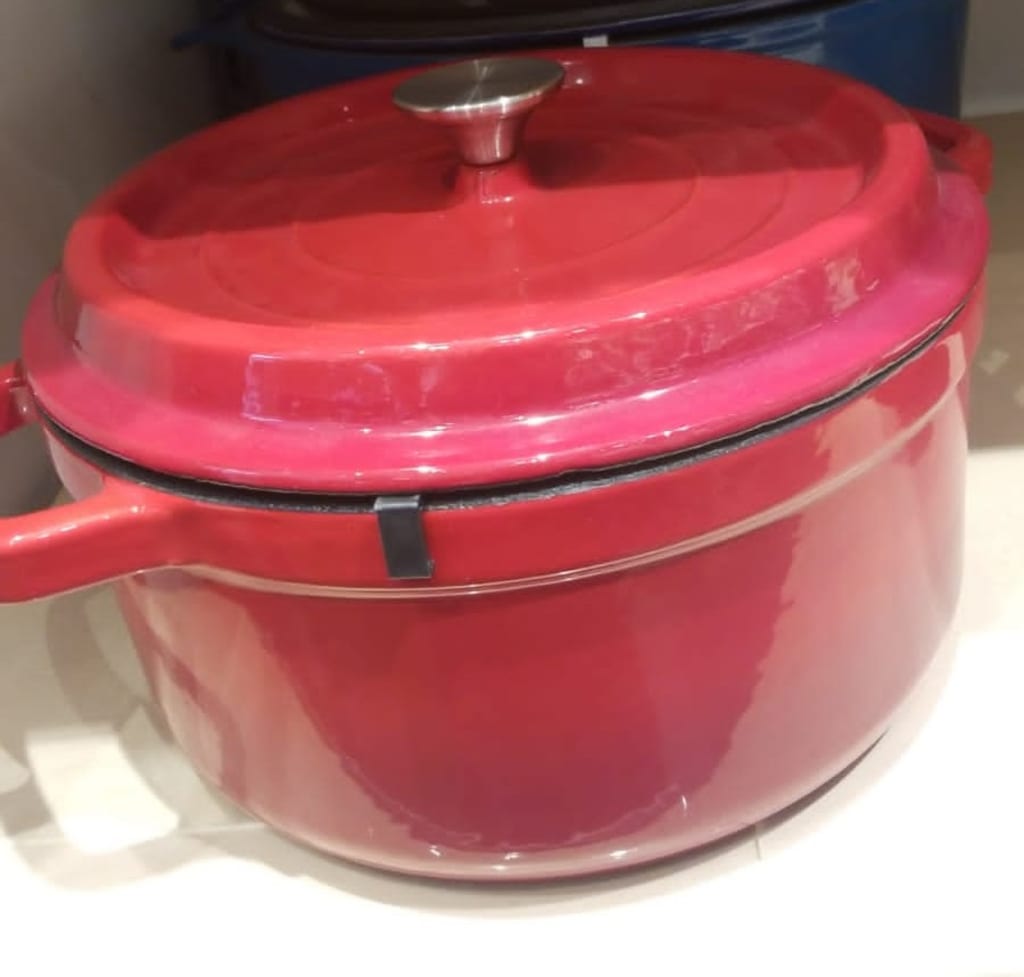
Cooking is an essential part of our daily lives, but did you know that the materials we use to cook can impact our health? In this article, we'll take a closer look at the different types of cooking materials and how they can impact your health.
Types of Cooking Materials:
1. Stainless Steel:
- Stainless steel is a popular choice for cookware due to its durability and non-reactive nature. It's made of an alloy of iron, carbon, and other metals like chromium and nickel.
- Stainless steel is safe to use and doesn't react with acidic foods, making it an excellent choice for cooking acidic dishes like tomato sauce.
- It's important to note that some people may have an allergic reaction to nickel, so it's best to choose high-quality stainless steel cookware that is nickel-free.
Benefits:
Stainless steel is durable, easy to clean, and non-reactive, which means it won't interact with acidic or alkaline foods. It's also dishwasher safe and can withstand high temperatures without warping or becoming damaged.
Risks:
Some people may have an allergic reaction to nickel, which is commonly found in stainless steel. In addition, lower-quality stainless steel cookware may contain harmful chemicals or toxins, so it's important to choose high-quality, food-grade stainless steel.
2. Cast Iron
- Cast iron cookware is another popular choice because it's durable, long-lasting, and can be used on both the stove and in the oven.
- It's an excellent heat conductor and can distribute heat evenly, making it ideal for cooking.
- Cast iron cookware can leach iron into food, which can be beneficial for people with iron-deficiency anemia but can be harmful for people who have too much iron in their bodies.
- It's also important to season cast iron cookware properly to prevent rusting.
Benefits:
Cast iron is a durable and versatile cookware option that can last for generations. It's also non-stick when properly seasoned, and can add iron to your diet, which can be beneficial for people with iron-deficiency anemia.
Risks:
Cast iron can be heavy and difficult to handle, and it requires proper seasoning and care to prevent rusting. In addition, it can leach iron into food, which can be harmful for people who have too much iron in their bodies.
3. Non-Stick Cookware
- Non-stick cookware is coated with a synthetic polymer called polytetrafluoroethylene (PTFE) or Teflon.
- It's easy to clean and allows for food to be cooked without sticking to the surface. However, there are concerns about the safety of non-stick cookware because it can release toxic fumes when heated to high temperatures.
- These fumes can cause flu-like symptoms in humans and can be fatal to birds.
- To minimize the risk, use non-stick cookware on low to medium heat and avoid using metal utensils that can scratch the surface and release harmful chemicals.
Benefits:
Non-stick cookware is convenient and easy to clean, and can make cooking a breeze. It's also ideal for cooking delicate foods that might otherwise stick to the pan.
Risks:
Non-stick cookware can release toxic fumes when heated to high temperatures, which can be harmful to health. In addition, it can scratch easily, and the coating can wear off over time, exposing the metal underneath.
4. Copper
- Copper cookware is an excellent heat conductor and can distribute heat evenly. It's also visually appealing and adds a touch of elegance to any kitchen.
- However, copper cookware can be reactive and can leach copper into food, which can be harmful to health.
- To avoid this, copper cookware is often lined with a non-reactive material such as stainless steel or tin.
Benefits:
Copper is an excellent heat conductor and can distribute heat evenly, which can help prevent hot spots in your food. It's also a beautiful and stylish option that can enhance the look of your kitchen.
Risks:
Copper is reactive and can leach into food, which can be harmful to health. To avoid this, copper cookware is often lined with a non-reactive material such as stainless steel or tin.
5. Aluminum
- Aluminum cookware is lightweight and affordable, making it a popular choice for many households.
- However, aluminum can react with acidic foods and leach into food, which can be harmful to health.
- To minimize the risk, it's best to choose high-quality anodized aluminum cookware that has a non-reactive coating.
Benefits:
Aluminum is lightweight, affordable, and conducts heat well. It's also resistant to rust and corrosion, and can withstand high temperatures.
Risks:
Aluminum can react with acidic foods and leach into food, which can be harmful to health. To minimize the risk, it's best to choose high-quality anodized aluminum cookware that has a non-reactive coating.
Conclusion
In conclusion, being aware of the types of cooking materials and their potential health impacts is important for maintaining a healthy lifestyle. Consider the benefits and risks of each type of cookware when making your next purchase, and prioritize the safety and well-being of yourself and your family.
About the Creator
mr ahamad
"Hello and welcome to my page! I'm passionate about writing and sharing my thoughts and experiences with the world. Exploring life through words. Join me on a journey of discovery and inspiration"
Keep reading
More stories from writers in Families and other communities.
The First Rainbow Baby
Pitter-patter, pitter-patter. The rain fell in rhythmic splatters, slowly slowing, but still constant. Mira rolled onto her side pulling the blanket tight against her ears, but still she could hear chitter-chatter and scurrying feet of the creatures that refused to sleep in the lower decks.
By A. J. Schoenfeld3 days ago in Fiction
Author’s Advice
If you would’ve asked me 20 years ago did I know I’d become a writer and an author, I would’ve said “nope, ain’t happening”. As fate would have it I did become an author and I can honestly say I’m loving it so far. It really does feel good to be a writer. I’ve learned a lot on this journey and I feel like with even me being as new to this world as I am, there’s some wisdom I need to share with every other aspiring author.
By Joe Patterson5 days ago in Journal




Comments
There are no comments for this story
Be the first to respond and start the conversation.