
What Types of Upholstery Fabric Are Popular in UK Offices?
Types of Upholstery Fabric
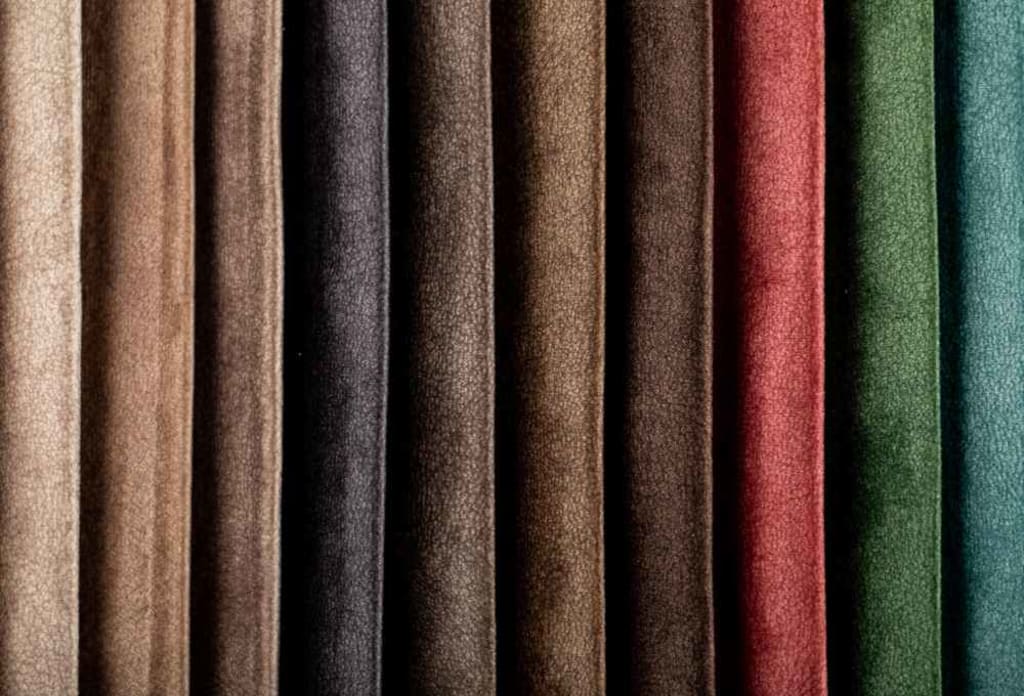
The modern British workplace has evolved significantly over the past decade, and with it, the expectations for office furniture and interior design. Gone are the days when offices were filled with uncomfortable, purely functional furniture. Today's UK offices prioritise both comfort and style, with upholstery fabrics playing a crucial role in creating productive and welcoming work environments.
Choosing the right uph fabric for office furniture isn't just about aesthetics. It's about durability, maintenance, employee comfort, and creating spaces that reflect company values and culture. From traditional law firms in the City of London to creative agencies in Manchester, different types of businesses are embracing various fabric choices that suit their specific needs and brand identity.
Performance Fabrics: The Workhorses of Office Design
Performance fabrics have become the backbone of modern office upholstery across the UK. These specially engineered materials are designed to withstand the daily wear and tear that comes with high-traffic commercial environments. What makes them particularly appealing to British businesses is their ability to maintain their appearance and functionality even after years of constant use.
Most performance fabrics feature stain-resistant treatments, making them ideal for offices where employees might eat at their desks or where client meetings involve refreshments. They're typically made from synthetic fibres or blends that resist fading, stretching, and pilling. Many UK offices have found that investing in performance fabrics actually saves money in the long run, as furniture needs replacing less frequently.
The texture of performance fabrics can vary widely, from smooth and sleek finishes that suit contemporary offices to more textured options that add visual interest without compromising durability. Many of these fabrics also offer antimicrobial properties, which became particularly important during and after the pandemic.
Wool Blends: Traditional Meets Practical
Wool has always held a special place in British textile tradition, and this extends to office environments. However, pure wool can be impractical for heavy-use office furniture, which is why wool blends have become increasingly popular. These fabrics combine wool's natural beauty and comfort with synthetic fibres that enhance durability and ease of maintenance.
Wool blend upholstery fabrics offer excellent breathability, making them comfortable for employees who spend long hours in their chairs. They also have natural flame-resistant properties, which is an important safety consideration in commercial spaces. The colour retention of wool blends is generally excellent, helping office furniture maintain its professional appearance over time.
Many UK businesses appreciate that wool blends can achieve both formal and casual aesthetics depending on the weave and finish. A tightly woven wool blend might suit a traditional financial services firm, while a more relaxed weave could work perfectly in a creative studio or co-working space.
Leather and Faux Leather Options
Leather remains a popular choice for executive offices and meeting rooms throughout the UK. Genuine leather upholstery conveys prestige and professionalism, making it a favourite for boardrooms and senior management areas. However, the maintenance requirements and cost of real leather have led many businesses to explore high-quality faux leather alternatives.
Modern faux leather has come a long way from the obviously artificial materials of the past. Today's synthetic leather options can be virtually indistinguishable from genuine leather while offering superior stain resistance and easier cleaning. They're also more consistent in appearance and less likely to show wear patterns that can make furniture look shabby over time.
Both genuine and faux leather work particularly well in offices with a more traditional or luxury aesthetic. They're easy to wipe clean, which makes them practical for high-use areas, though they may not be the most comfortable option for extended sitting in warmer environments.
Contract-Grade Polyester Solutions
Polyester fabrics designed specifically for commercial use have become increasingly sophisticated and popular in UK offices. These contract-grade materials are engineered to meet strict commercial standards for durability, fire resistance, and colourfastness. What makes them particularly appealing is their versatility in terms of appearance and texture.
Modern polyester upholstery can mimic natural fibres like linen, cotton, or even wool, but with enhanced performance characteristics. They're typically more affordable than natural fibre alternatives while offering superior stain resistance and easier maintenance. Many polyester fabrics also offer excellent colour options, allowing businesses to match their brand colours or create specific design schemes.
The environmental impact of polyester has been a concern, but many manufacturers now offer recycled polyester options made from post-consumer plastic bottles, allowing environmentally conscious businesses to make more sustainable choices without compromising on performance.
Natural Fibre Blends for Comfort
While synthetic materials dominate commercial upholstery, there's still a place for natural fibre blends in UK offices. Cotton blends, linen mixes, and other natural combinations can provide the comfort and aesthetic appeal that some businesses prefer, particularly in creative industries or companies that want to project an organic, authentic image.
Natural fibre blends often provide superior breathability compared to purely synthetic options, which can be important for employee comfort. They also tend to have a more varied and interesting texture that can add visual appeal to office spaces. However, they typically require more careful maintenance and may not be suitable for high-traffic areas.
Many businesses use natural fibre blend upholstery selectively, perhaps in reception areas, executive offices, or meeting rooms where the traffic is lower and the aesthetic impact is high. When properly maintained, these fabrics can create a welcoming, sophisticated atmosphere that reflects well on the company.
Antimicrobial and Health-Conscious Fabrics
The pandemic fundamentally changed how UK businesses think about hygiene and health in the workplace. This has led to increased interest in antimicrobial upholstery fabrics that actively inhibit the growth of bacteria, mould, and other microorganisms. These treatments can be applied to various base fabrics, making it possible to combine health benefits with other desired characteristics.
Some antimicrobial fabrics use silver ion technology, while others employ copper-based treatments or other antimicrobial agents. Beyond just killing germs, many of these fabrics are also designed to be easily cleanable with standard disinfectants without degrading the fabric's appearance or performance.
The psychological benefit of these fabrics shouldn't be underestimated. Employees who know their workplace uses antimicrobial materials may feel more confident and comfortable, which can contribute to overall workplace satisfaction and productivity.
Sustainable and Eco-Friendly Materials
Environmental consciousness is increasingly important to UK businesses, and this extends to their choice of office upholstery. Sustainable fabric options include those made from recycled materials, rapidly renewable resources, or produced using environmentally friendly manufacturing processes.
Recycled polyester, made from plastic bottles, has become particularly popular as it combines environmental benefits with excellent performance characteristics. Fabrics made from renewable resources like hemp, bamboo, or sustainably sourced cotton are also gaining traction, though they may require more careful selection to ensure they meet commercial durability requirements.
Many sustainable fabrics also come with certifications like GREENGUARD or Cradle to Cradle, which can help businesses meet their environmental goals and potentially contribute to green building certifications for their offices.
Colour and Pattern Trends in UK Offices
The colour and pattern choices in UK office upholstery have evolved significantly. While neutral colours like greys, beiges, and navy blues remain popular for their versatility and professional appearance, there's been a growing trend towards incorporating more colour and pattern into workplace design.
Many businesses are using upholstery as a way to introduce their brand colours or create more engaging, less sterile work environments. Subtle patterns, textured fabrics, and accent colours are being used to create visual interest without being overwhelming or unprofessional.
The trend towards biophilic design has also influenced fabric choices, with nature-inspired colours and patterns becoming more common. This might include fabrics in forest greens, ocean blues, or earth tones, or patterns that subtly reference natural forms.
Conclusion
The landscape of office upholstery fabrics in the UK continues to evolve, driven by changing work patterns, environmental concerns, and a greater understanding of how physical environments affect productivity and well-being. From high-performance synthetic materials that can withstand years of heavy use to sustainable options that reflect corporate environmental values, there's never been a wider range of choices available.
The key to selecting the right upholstery fabric lies in understanding your specific needs: the level of use your furniture will receive, your maintenance capabilities, your aesthetic goals, and your budget constraints. Whether you're furnishing a traditional law office or a modern co-working space, the right fabric choice can significantly impact both the longevity of your furniture investment and the daily experience of everyone who uses the space.
For businesses looking to source quality upholstery fabrics, Yorkshire Fabric Shop offers an extensive selection of commercial-grade materials suitable for office environments. As a UK-based supplier with expertise in both traditional and modern fabric solutions, they can help businesses navigate the various options available and find materials that meet both practical requirements and design aspirations.
Frequently Asked Questions
What is the most durable upholstery fabric for office chairs?
Contract-grade polyester and performance fabrics are typically the most durable options for office chairs. These materials are specifically designed for commercial use and can withstand constant use while maintaining their appearance. Look for fabrics with high rub counts (typically 40,000+ double rubs) for maximum durability.
How do I choose upholstery fabric for a busy reception area?
For high-traffic reception areas, prioritise stain-resistant performance fabrics or leather/faux leather options that are easy to clean. Darker colours or subtle patterns can help hide minor stains and wear. Antimicrobial treatments are also worth considering for areas with high public contact.
Are there upholstery fabrics that help with office acoustics?
Yes, certain upholstery fabrics can contribute to acoustic management in offices. Thicker, more textured fabrics generally absorb more sound than smooth, thin materials. Some manufacturers specifically design acoustic fabrics for commercial use, though the upholstery alone won't solve significant noise problems.
What's the difference between domestic and commercial upholstery fabrics?
Commercial upholstery fabrics are designed to meet stricter standards for durability, fire resistance, and performance. They typically have higher rub counts, better stain resistance, and comply with commercial building codes. While more expensive initially, they're more cost-effective for office use due to their longevity.
How often should office upholstery be professionally cleaned?
Most office upholstery should be professionally cleaned every 12-18 months, depending on usage levels. High-traffic areas might need cleaning more frequently, while executive offices or meeting rooms used less often can go longer between cleanings. Regular vacuuming and prompt attention to spills can extend the time between professional cleanings.
About the Creator
Wise~Guys
— Look Behind what's in Front of You ~ Make Good Choices — Hey, So how you Doin'..! Made~Men — Mobster Movies romanticise a distinctive, elegant appearance, impeccable attire style, along with the 'Families' expressive lingo. Making their 'Bones' gave them Panache — with vintage fedoras, tailored pin-striped suits, mirror-polished wing-tip shoes adorned with tassels; with their 'Gun Moll' gorgeous dates on their arms.
By Jay Kantor20 days ago in Families
Malka Shaw, LCSW: Orthodox Jewish Community, Belonging, and Resilience
Malka Shaw is an Orthodox Jewish social worker (LCSW) and educator who focuses on trauma, antisemitism, and Jewish community resilience. She founded Kesher Shalom Projects, offering workshops and support groups that build leadership, communication, unity, and Jewish pride. Raised loosely Conservative and drawn in adolescence to Reform youth programming, she describes her move toward Orthodoxy as a gradual, decades-long process deepened through immersive volunteering in Israel and sustained study. In clinical and communal settings, Shaw applies social-work principles—especially the principle of meeting people where they are—to help individuals and leaders turn isolation into connection and purposeful belonging. She trains allies in cultural competency.
By Scott Douglas Jacobsena day ago in Families
Smart phones, Humans and Aliens.
WARNING. I will be tapping into one of your favorite creative tensions: The absurdity of humans worshipping their glowing rectangles as if they were tiny oracles. There’s something deliciously poetic about that contradiction, and it lends itself beautifully to an instructive proviso.
By Novel Allen5 days ago in Poets



Comments
There are no comments for this story
Be the first to respond and start the conversation.