
What’s the Best Age to Start Wearing Contact Lenses?
The Right Age: A General Guideline
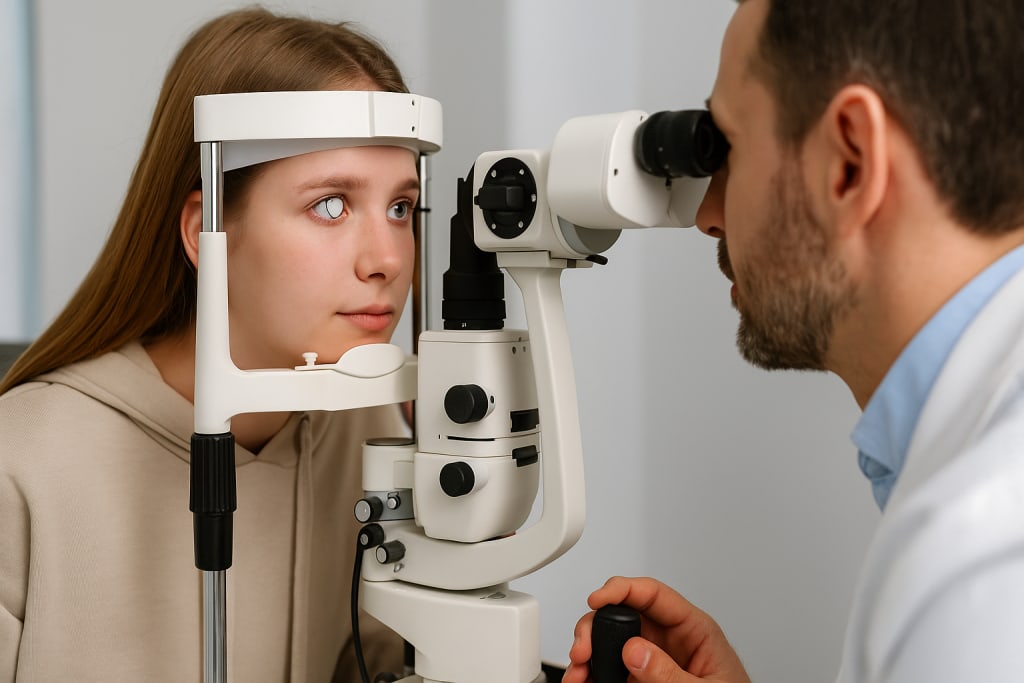
Contact lenses have become an increasingly popular alternative to glasses, offering convenience, freedom, and confidence for millions of people. But one of the most common questions eye care professionals receive is: “What’s the right age to start wearing contact lenses?” Whether you’re a parent considering contact lenses for your child or a teenager eager to move away from glasses, knowing the appropriate age and requirements is crucial.
In this article, we’ll explore the best age to start wearing contact lenses, the pros and cons for children and teenagers, parental considerations, eye doctor recommendations, and tips for first-time wearers.
The Right Age: A General Guideline
There is no strict age limit for contact lenses. In fact, children as young as 8 years old can safely wear them if they are responsible and maintain good hygiene. However, most optometrists recommend starting between the ages of 11 and 14, when children are mature enough to follow cleaning routines, avoid bad habits, and take proper care of their lenses.
The main factor isn’t the number on the calendar—it’s the individual’s maturity and responsibility level. A child who takes good care of their personal belongings, follows daily routines, and understands hygiene practices may be ready earlier than others.
Benefits of Starting Contact Lenses Early
Improved Confidence: Many children and teens feel self-conscious about wearing glasses. Contacts can boost self-esteem, especially during sports or social activities.
Better Vision for Sports: Glasses can slide, fog up, or break during physical activity. Contact lenses provide a wider field of vision and greater comfort.
Myopia Control: Certain contact lenses, like orthokeratology (Ortho-K) lenses or multifocal contacts, can help slow the progression of nearsightedness in children.
Freedom of Style: Kids can enjoy more freedom with their appearance and avoid the daily inconvenience of glasses.
Potential Challenges for Young Wearers
Hygiene Responsibility: Young children may struggle with proper cleaning and handling of lenses, leading to risks of infection.
Parental Supervision: Parents must be actively involved, especially in the early stages, to ensure proper usage.
Eye Irritation Risks: Children might rub their eyes frequently, increasing the chances of irritation if not monitored.
Expense: Replacing lost or damaged contact lenses can become costly for families.
What Eye Doctors Recommend
Optometrists typically recommend evaluating children for contact lenses around 11–12 years old, although younger children may still qualify if they demonstrate maturity. During the eye exam, your optometrist will check:
Eye health and tear production
Prescription stability
Maturity and ability to follow instructions
Lifestyle needs (such as sports or appearance preferences)
If both the child and parent are confident, many eye doctors will allow contact lenses earlier. However, regular follow-ups are necessary to ensure eye health remains optimal.
Contact Lenses for Teenagers
Teenagers are the most common age group to start wearing contact lenses. By this time, most teens are capable of managing the responsibility and motivated by appearance and lifestyle. For teens:
Daily disposable lenses are often recommended as they minimize hygiene risks and don’t require cleaning.
Multifocal lenses can be introduced if myopia control is a concern.
Proper education about screen use and hydration is key, since excessive screen time can dry out the eyes.
Contact Lenses for Younger Children
Some children under 10 years old successfully wear contact lenses, especially when recommended for myopia management. Parents play an important role by supervising insertion, removal, and cleaning. Younger children are surprisingly capable when motivated, but supervision is non-negotiable.
Practical Tips for First-Time Contact Lens Wearers
Start with Daily Disposables: They’re hygienic and hassle-free.
Practice Insertion and Removal: It may take time, but consistency builds confidence.
Wash Hands Every Time: Clean hands reduce the risk of eye infections.
Follow Replacement Schedules: Never extend the use of lenses beyond the recommended period.
Keep Glasses as Backup: Always have glasses available in case of irritation or emergencies.
Book Your Child’s Eye Exam Today
Wondering if your child is ready for contact lenses? At Parham Optical, our experts can assess maturity, eye health, and lifestyle needs to guide you through the decision. Call us today to book a comprehensive eye exam and find out if contacts are the right choice.
Risks of Starting Too Early
If contact lenses are introduced before a child is ready, potential issues include:
Higher risk of infections due to poor hygiene
Misplacing or damaging lenses frequently
Inconsistent wear and discomfort
Over-reliance on parents for maintenance
This is why your optometrist’s professional evaluation is essential before making the decision.
Explore Contact Lens Options at Parham Optical
From daily disposables to advanced myopia-control lenses, we carry a wide range of contact lenses to suit your child’s needs. Visit Parham Optical in Aurora, Newmarket, Richmond Hill, or King City to explore safe, effective, and comfortable solutions.
There is no “one-size-fits-all” answer to the best age for wearing contact lenses. While many start around 11–14 years old, younger children may be candidates if they demonstrate responsibility. Ultimately, it depends on maturity, lifestyle, and eye health. With professional guidance and parental involvement, children and teenagers can enjoy the benefits of contact lenses safely and confidently.
FAQs
1. Can a 10-year-old wear contact lenses?
Yes, if the child demonstrates maturity and responsibility, many optometrists will allow lenses as early as age 8–10.
2. Are contact lenses safe for kids?
Yes, contact lenses are safe with proper hygiene and regular eye doctor check-ups.
3. Which contact lenses are best for teenagers?
Daily disposable contact lenses are usually the best choice for teenagers because they’re easy to use and maintain.
4. Can contact lenses stop my child’s nearsightedness from worsening?
Certain lenses, like Ortho-K and multifocal contact lenses, are designed to slow myopia progression.
5. Should parents supervise kids using contact lenses?
Yes, especially for children under 14, parents should supervise insertion, removal, and cleaning.
About the Creator
Keep reading
More stories from Parham Optical and writers in Families and other communities.
What are the current eyeglasses discounts
If you’re searching for eyeglasses discounts in Aurora, affordable prescription glasses in Richmond Hill, or summer eyewear deals in Newmarket, you’re in the right place. Whether you’re buying your first pair of glasses, upgrading your style, or simply looking for better vision at a lower cost, this summer is packed with great opportunities—especially at Parham Optical, where you’ll find some of the best promotions in the region.
By Parham Optical9 months ago in Families
Wise~Guys
— Look Behind what's in Front of You ~ Make Good Choices — Hey, So how you Doin'..! Made~Men — Mobster Movies romanticise a distinctive, elegant appearance, impeccable attire style, along with the 'Families' expressive lingo. Making their 'Bones' gave them Panache — with vintage fedoras, tailored pin-striped suits, mirror-polished wing-tip shoes adorned with tassels; with their 'Gun Moll' gorgeous dates on their arms.
By Jay Kantor18 days ago in Families




Comments
There are no comments for this story
Be the first to respond and start the conversation.