
What Is the Life Expectancy of a Person with Vascular Dementia?
Understanding the Journey, Embracing the Moments: What Families Need to Know About Life Expectancy with Vascular Dementia

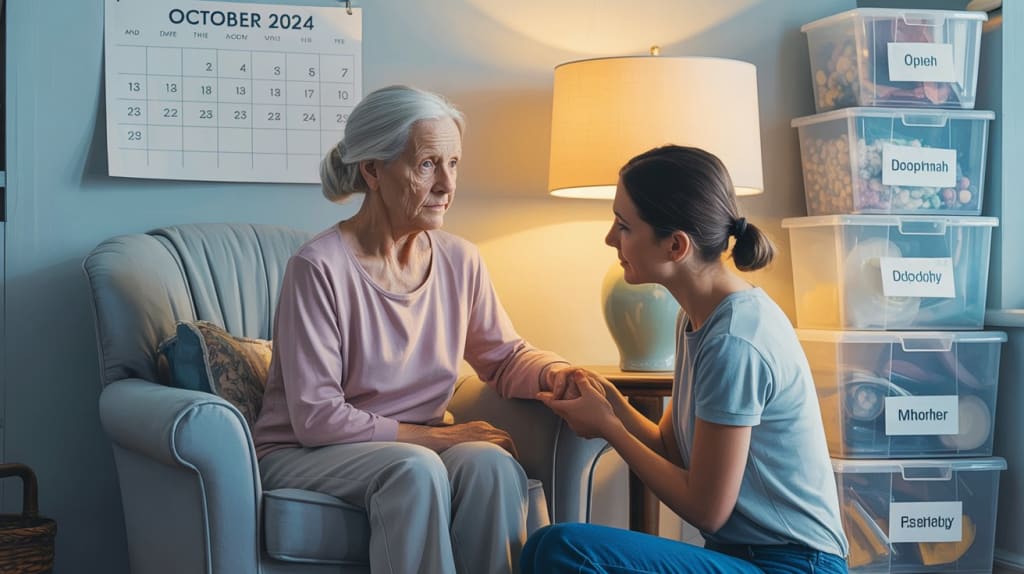
When a loved one is diagnosed with vascular dementia, your own life shifts. Suddenly, you're faced with unfamiliar medical terminology, mood swings, and frightening uncertainty about what the future holds. Maybe the hardest—but least asked—question families have is: How much time do we have left?
Understanding Vascular Dementia
Vascular dementia is the second most common type of dementia after Alzheimer's disease. It happens when there is reduced blood supply to the brain from strokes, small vessel disease, or other cardiovascular conditions.
In contrast to some other dementias, the pattern of vascular dementia is stepwise—a person may be stable for a period and then quickly deteriorate as a consequence of another stroke or event.
This faulty track can complicate estimates of how long an individual will live. But understanding what kind of factors determine life expectancy—and what "quality of life" may be—is letting families plan, prepare, and come to cherish the days they have left with loved ones.
The Averages—And Why They Only Tell Part of the Story
Statistically speaking, the life expectancy after having vascular dementia is around five years. A few live only a few years, and some live ten years or more, depending on what factors. Compared to Alzheimer's disease, which in a few situations may progress more gradually, vascular dementia cuts down on life faster—especially if there are continued strokes or the person has other serious medical conditions.
But one must remember that averages are not fates. Every person is unique. Genes, lifestyle, other health conditions at the time of this diagnosis, age of diagnosis, and quality of care all have something to do with how life works out after a vascular dementia diagnosis.
Main Factors That Influence Life Expectancy
1. Age at Diagnosis
Younger individuals (below 65) with vascular dementia have a better prognosis than older adults. Early onset, on the other hand, is more severe and complicated in other ways.
2. History of Stroke
As vascular dementia shares such close linkage with stroke and cardiovascular disease, an individual who still continues to experience strokes or TIAs ("mini-strokes") may develop more accelerated decline.
3. Cardiovascular Health
Underlying cardiovascular disease like hypertension, diabetes, atrial fibrillation, and high levels of cholesterol has a significant effect on outcome. The better controlled they are, the more stable the dementia is likely to remain.
4. Cognitive Reserve & General Health
Active people who are social and mentally challenged can maintain function for longer, all due to so-called "cognitive reserve." The healthier body keeps the brain healthier.
5. Caregiving Environment
Good care—either at home or in the workplace—can significantly improve quality of life and even slow progress. Regular, supportive care, and prompt treatment of infections or setbacks can all make a big difference.
What Does Decline Look Like?
One of the hardest things about vascular dementia is that decline occurs in sudden steps. A patient can be getting along quite well, then suffer a stroke and suddenly need help with activities of daily living. Over time, memory loss, confusion, mobility issues, speech difficulty, and even personality changes may increase.
Later stages might involve:
- Incontinence
- Difficulty swallowing (dysphagia)
- Severe loss of memory
- Disorientation to place and time
- Immobility
Increased risk of infections like pneumonia
These changes don't always follow a straight line. And for families, uncertainty can be extremely emotional.
Meeting the Future—With Compassion and Clarity
It's completely understandable to be scared when talking about life expectancy. You may find yourself worrying about whether you're doing enough, whether your loved one is in pain, or whether you'll know when the end is near.
And that's why having clear conversations with medical professionals is so important. Hospice and palliative care teams, for example, can help put quality of life, symptom management, and emotional support first—not at the end, but far in advance.
And lastly, you don't have to do it alone. From support groups and memory care communities to respite programs, help is available—and it's okay to ask for it.
About the Creator
Patrica Overton
Patricia Overton is a devoted caregiver at Azalea Gardens Assisted Living & Memory Care, known for her kindness and dedication to residents.
Keep reading
More stories from Patrica Overton and writers in Families and other communities.
Why Levels of Care in Assisted Living Matter for Senior Safety and Comfort
The process of aging does not happen to all. There are seniors who are active and independent over a long period of time and there are seniors who require more and more assistance over day to day activities, medical issues or memory assistance. This is the reason why assisted living communities are developed with various levels of care. These levels are not only related to services, but they are created with the purpose to safeguard senior and to maintain their dignity and comfort in general.
By Patrica Overtonabout a month ago in Families
Wise~Guys
— Look Behind what's in Front of You ~ Make Good Choices — Hey, So how you Doin'..! Made~Men — Mobster Movies romanticise a distinctive, elegant appearance, impeccable attire style, along with the 'Families' expressive lingo. Making their 'Bones' gave them Panache — with vintage fedoras, tailored pin-striped suits, mirror-polished wing-tip shoes adorned with tassels; with their 'Gun Moll' gorgeous dates on their arms.
By Jay Kantor19 days ago in Families



Comments
There are no comments for this story
Be the first to respond and start the conversation.