
What Are the 6 Tastes in Ugadi Pachadi? Discover Their Meaning and Significance
Ugadi Pachadi Tastes


Ugadi, the Telugu and Kannada New Year, is celebrated with joy, tradition, and special foods. One of the most symbolic and unique dishes prepared during this festival is Ugadi Pachadi — a mixture that represents life itself. But what makes Ugadi Pachadi so special? It’s the six distinct tastes that blend together in a single dish, each representing different experiences in life.
What Is Ugadi Pachadi?
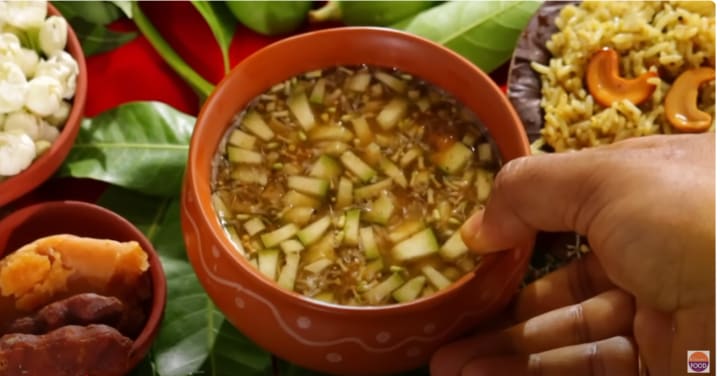
Ugadi Pachadi is a traditional chutney-like dish made using neem flowers, raw mango, tamarind, jaggery, chili, and salt. It’s more than just a food — it’s a powerful reminder that life is a mix of emotions: sweet, sour, bitter, spicy, tangy, and salty.
Let’s explore the 6 tastes of Ugadi Pachadi, their ingredients, and what they symbolize:
1. Sweet (Jaggery – Bellam)
Represents: Happiness and pleasant moments
Ingredient: Jaggery
The sweetness of jaggery reminds us of the good times in life — love, joy, success, and moments that bring a smile.
2. Sour (Tamarind – Chintapandu)
Represents: Challenges and unpleasant experiences
Ingredient: Tamarind pulp
This taste signifies the sour experiences that life brings — difficulties, disappointments, and learning moments.
3. Bitter (Neem Flowers – Vepa Puvvu)
Represents: Sadness and hardships
Ingredient: Fresh neem flowers
Neem adds a sharp bitterness to the dish, symbolizing the painful or tough phases in life that we must endure and learn from.
4. Spicy (Green Chili – Pachimirchi)
Represents: Anger and excitement
Ingredient: Chopped green chili
The spice stands for fiery emotions — both anger and passion. It reflects the heat and energy we feel in life’s intense moments.
5. Salty (Salt – Uppu)
Represents: Fear and balance
Ingredient: A pinch of salt
Salt adds balance to the Pachadi and symbolizes the uncertainties and anxieties we all face from time to time.
6. Tangy (Raw Mango – Mamidikaya)
Represents: Surprise and new challenges
Ingredient: Finely chopped raw mango
The tang of raw mango brings in the unexpected twists of life — the surprises and new beginnings that make life interesting.
Why Are These 6 Tastes Important in Ugadi Pachadi?
Ugadi Pachadi is not just a festive food—it's a spiritual and symbolic dish that captures the essence of life. The six tastes in Ugadi Pachadi hold deep cultural and philosophical meaning, making the dish an essential part of Ugadi celebrations. Each taste represents a different emotion or phase of life, teaching us to embrace the full spectrum of human experiences.
In Indian philosophy, particularly in Ayurveda, taste is more than just a flavor—it influences the body, mind, and spirit. The six tastes in Ugadi Pachadi—sweet, sour, bitter, spicy, salty, and tangy—symbolize different emotions that every person encounters throughout the year. By consuming all six tastes together, people are reminded to accept whatever life brings with balance and inner strength.
Sweetness (from jaggery) symbolizes joy, love, and moments of happiness. It reminds us to cherish and celebrate the good times.
Sourness (from tamarind) reflects the unpleasant or challenging moments that test our patience.
Bitterness (from neem flowers) stands for sorrow and hardship, highlighting the need to face difficulties with courage.
Spiciness (from green chili) indicates strong emotions like anger, excitement, or passion.
Saltiness (from salt) represents fear, uncertainty, and life’s balancing forces.
Tanginess (from raw mango) brings in the element of surprise or sudden changes, encouraging adaptability.
When all these tastes are combined in a single dish, they create a powerful metaphor: life is a mix of sweet and bitter experiences, and we must take them all in stride. Ugadi Pachadi serves as a yearly ritual that prepares people mentally and emotionally for the upcoming year, encouraging acceptance, resilience, and mindfulness.
This meaningful dish also brings families together. Preparing Ugadi Pachadi becomes an opportunity to reflect, share memories, and set intentions for the new year. Children learn the values behind the ingredients, and elders pass down wisdom about life’s ups and downs.
In short, the six tastes in Ugadi Pachadi remind us that life is not always perfect, but it's always worth celebrating. This deep message is what makes Ugadi Pachadi more than just a traditional recipe—it’s a spiritual guide for life.
Final Thoughts:
The six tastes in Ugadi Pachadi teach us an important life lesson: to accept joy and sorrow, excitement and disappointment, sweetness and bitterness with the same spirit. As you celebrate Ugadi, may you welcome the new year with hope, balance, and a full heart.
Happy Ugadi!
About the Creator
pestosol
Hi.
I am Hmimda 30 years old From Algeria. I am a blogger. I like to share articles about decoration and designs
Wise~Guys
— Look Behind what's in Front of You ~ Make Good Choices — Hey, So how you Doin'..! Made~Men — Mobster Movies romanticise a distinctive, elegant appearance, impeccable attire style, along with the 'Families' expressive lingo. Making their 'Bones' gave them Panache — with vintage fedoras, tailored pin-striped suits, mirror-polished wing-tip shoes adorned with tassels; with their 'Gun Moll' gorgeous dates on their arms.
By Jay Kantor19 days ago in Families




Comments (1)
Hello, just wanna let you know that according to Vocal's Community Guidelines, we have to choose the AI-Generated tag before publishing when we use AI 😊