
What Are Dry Goods Food?
A Comprehensive Guide to Pantry Staples

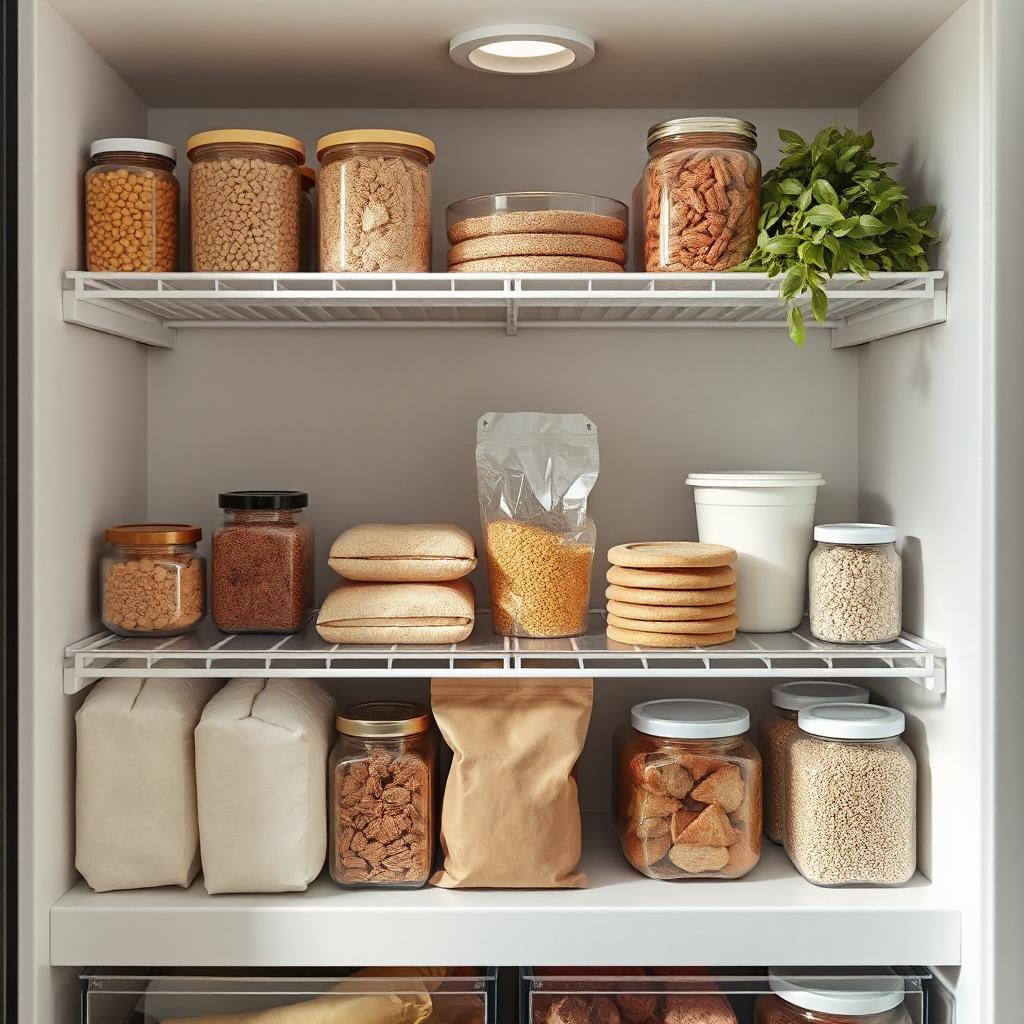
Introduction
When stocking your pantry, the term "dry goods" is more than likely uttered a time or two. But what are dry goods food, exactly? These food fundamentals make up a big part of our diets, serving as the basis for meals from simple weeknight dinners to elaborate gourmet feasts. Dry goods refer to grains, beans, pasta, flour, and every other ingredient in between that is versatile, shelf-stable, and deserves a place in an organized kitchen.
Don’t miss out on this incredible snacking experience!
The following article will look at what constitutes dry goods foods, give examples of common dry goods, and talk about how to store them to maintain freshness for the longest period. This guide is bound to be of great help in making the most from your groceries-be you a seasoned cook or just beginning to stock your pantry.
What Are Dry Goods?
Dry goods are food items with very low water content and thus can survive on the shelf for very long periods with no refrigeration. These foods come in a lot of forms, usually dried, dehydrated, powdered-and most households will find them indispensable. Dry goods are known for their long shelf life, ease of storage, and versatility in the kitchen.
The common categories of dry goods include the following:
Grains and Rice: Brown rice, white rice, quinoa, oats, and barley. Pasta and Noodles: Spaghetti, macaroni, rice noodles, and egg noodles. Beans and Legumes: Lentils, chickpeas, black beans, and split peas. Flours and Baking Ingredients: All-purpose flour, whole wheat flour, cornmeal, sugar, and baking powder. Spices and Seasonings: Salt, pepper, dried herbs, and spice blends. Nuts and Seeds: Almonds, peanuts, chia seeds, and flaxseeds.
Dry goods are super inexpensive, easy to store, and have application in hundreds and hundreds of recipes, making them the ultimate kitchen staples.
Food Types under Dry Goods Food
Now, we can dive into the definitions with some specific categories, how they are used, and why they are so vital.
1. Grains and Rice
The grains are some of the most versatile dry goods and form the base of so many meals from around the world, be it rice or oats, used either in hearty soups or refreshing salads. In addition, whole grains like quinoa and barley are considered good sources of dietary fiber, vitamins, and minerals due to their nutritional value.
Examples: Brown rice, quinoa, oats, barley, bulgur.
Usage: Grains are prepared in so many ways, whether as a side dish, enhancing soups and stews for flavor, to salads. Oats are also used in baked products and breakfast foods like oatmeal.
Storage Tips: In an airtight container and placed in a cool dry place, this will help them not become rancid.
2. Pasta and Noodles
Pasta and noodles get cooked quickly and can go with just about any type of sauces and ingredients. Be it whipping up pasta the Italian way or making a stir-fry with rice noodles, this dry grocery item is always handy. Examples: spaghetti, macaroni, fettuccine, rice noodles, and egg noodles.
Usage: Pasta can be served with tomato sauces, creamy Alfredo, or in cold pasta salads. Rice noodles are a familiar ingredient in pad thai dishes.
Storage Tips: Pasta can be kept in dry, cool places and used for 1-2 years for the best quality.
3. Beans and Legumes
Beans and legumes are the powerhouse nutrients that can be used in soups, stews, salads, and much more. Most of them are rich in protein and fiber, hence serving as a very good plant-based alternative to meat.
Examples: Black beans, chickpeas, lentils, kidney beans, split peas.
Usage: Cooked beans can be used in chili, burritos, soups, and as salad toppings. Lentils cook quickly and are perfect for stews or side dishes.
Storage Tips: Store dried beans in an airtight container and keep it in a cool, dry place. Cooked beans can be frozen for later use.
4. Flours and Baking Ingredients
A pantry is never complete without at least a few baking essentials like flour, sugar, and baking powder. For those who love baking-from homemade breads to cakes to pastries-these dry goods will be absolute staples.
Examples: All-purpose flour, whole wheat flour, sugar, baking soda, cornstarch.
Use: Flour is used in baking bread, cookies, cakes, etc. Cornstarch is mostly used as a thickening agent for sauces and gravies.
Storage Tips: Flour should be kept in an air-tight container to prevent adulteration by air and insects. Some varieties of flour, such as whole wheat, can also be stored in the freezer for longer use.
Spices are the things that give life and dimension to your dishes. Small in size, these dry goods make quite a world of difference in taste when it comes to your meals. A well-stocked spice rack opens quite a few possibilities for you to explore flavors of different cuisines.
Examples: Salt, pepper, cumin, turmeric, oregano, cinnamon.
Usage: Spices are used to flavor dishes, marinades, and sauces. They can also be added to baked goods for added flavor. Storage Tips: Store spices in a cool, dark place. Whole spices last longer than ground ones; thus, it is worth investing in a spice grinder to get fresher flavors. 6. Nuts and Seeds
Nuts and seeds are a diverse group of nutrient-dense, shelf-stable dry goods providing healthy fats, protein, and fiber. These items can be used interchangeably when baking, sprinkled over salads, or eaten as quick snacks.
Examples: Almonds, walnuts, sunflower seeds, chia seeds, flaxseeds.
Usage: Put nuts in baked goods such as cookies or cakes; sprinkle seeds over salads or yogurt, and blend them into smoothies for an added boost in nutrition.
Storage Tips: Nuts and seeds should be kept in airtight containers in either the fridge or freezer to maintain freshness and prevent the oils from going rancid.
Why Dry Goods Matter in Any Kitchen?
Dry goods foods have an essential place in meal preparation for many reasons identified below:
1. Shelf-Stability
Long-term storability is one of the major merits of dry goods. Most dry goods can be kept for months, sometimes even years, if put away properly. This is what makes them so perfect for buying in bulk and avoiding food waste since you would never run out of ingredients on hand.
2. Versatility
The dry good can be made in a lot of ways, some in humble manners such as a pot of rice, or in more elaborate ways like lasagna. Between a recipe and a kind of cuisine, the use of groceries is endless. It does not matter if you are cooking for one or a family because by having many types of dry goods, you can present different and healthy meals.
3. Economical
Buying dry goods in bulk will save you lots of money. Staples like rice, pasta, and beans are so cheap and can be extended to make several meals. It is also widely available at most grocery stores for easy access.
4. Nutritional Value
Dry goods such as beans, whole grains, and seeds are packed with healthy fiber, protein, vitamins, and minerals. Sometimes it takes adding these staples to your diet to get your health strengthened and provide what your body needs for nourishment.
Actionable Tips for Storing Dry Goods
Store in Airtight Containers: Dry goods should be safely stored in airtight containers to save them from moisture and bugs. It will give them a longer life and quality.
Label and Date: Label and date all your containers for inventory so you may know how long you have had the item in storage. That is more critical when buying items in bulk.
Rotate Your Stock: Utilize the "first in, first out" method. Let that tell you when to use older dry goods before newer ones.
Store in a Cool, Dry Place: Let your pantry be dry and cool; heat and humidity reduce the shelf life of your dry goods.
Conclusion
Dry goods foods are the backbone of any kitchen, providing essential ingredients that are versatile, affordable, and easy to store. Whether you're building a well-stocked pantry or seeking ways to economize and cut down on food waste, understand the value of dry goods and how to store them properly to set you in good stead for your culinary adventures. Grains, pasta, beans, spices-this is the core group that should always be represented in your pantry.
Don’t miss out on this incredible snacking experience!
FAQ
1. What are dry goods in food?
Dry goods fall into a category of foods that include but are not limited to grains, beans, pasta, flour, and spices; these foods are known to be low in moisture, storable, and non-perishable for a long time without refrigeration.
2. How long do dry goods last?
Most dry goods can remain usable from several months up to a few years when stored properly, which again will depend on the type of food and condition of storage.
3. How should dry goods be stored?
Dry goods are better preserved in airtight containers and kept in a cool, dry place. Most foods, like flour and nuts, can even be much fresher when placed in the freezer.
4. Do dry goods expire?
Yes, dry goods can go bad once moisture, air, or pests reach them. Keeping goods in airtight containers will help delay spoilage.
5. Are dry goods healthy?
This is indeed one of the healthier options for your diet, because many dry goods-foods like whole grains, beans, and seeds-are nutritionally dense in the form of fiber, proteins, and a variety of essential vitamins and minerals.
This article contains affiliate links, if you make a purchase I will make a commission.
About the Creator
Karl Jackson
My name is Karl Jackson and I am a marketing professional. In my free time, I enjoy spending time doing something creative and fulfilling. I particularly enjoy painting and find it to be a great way to de-stress and express myself.
Keep reading
More stories from Karl Jackson and writers in Families and other communities.
Best Bakery Gifts
Introduction Few things give more pleasure, when it comes to gifting, than something sweet, freshly baked, and thoughtfully prepared. Be it the perfect birthday present, a unique holiday treat, or simply to say "thank you," bakery gifts lend that personal touch of comfort and indulgence. The beauty with bakery items is that they can be universally liked-who can resist the smell of fresh, warm bread or the taste of a decadent pastry?
By Karl Jacksonabout a year ago in Families
Choosing Between Divorce and Legal Separation in California
Ending a marriage or formalizing a separation can be one of the most challenging experiences a person will face in their lifetime. In California, many couples find themselves at a crossroads, unsure whether a permanent divorce or a legal separation is the best choice for their situation. The emotional toll of these decisions is often compounded by financial concerns, particularly the cost of hiring a lawyer, which can make the process feel overwhelming and even unattainable for some. Despite these difficulties, understanding the options available and how to navigate the legal system can help individuals make informed decisions that protect their interests and those of their children.
By The Complete Divorce2 days ago in Families
TUS NUA - ch 53
TUS NUA – ch 53 New Beginnings – Mia and Midnight (*)(*)(*) Finola knew Ali’s brother-in-law needed to put his mind at rest. She fed her arm through his and led him outside. “We’ll sit here. If you like, I can put a block around us so our conversation will be private.”
By Margaret Brennan4 days ago in Fiction




Comments
There are no comments for this story
Be the first to respond and start the conversation.